
 AUS
AUS
 NZ
NZ
 UK
UK
 CA
CA
 USA
USA
 IND
IND



_10_04_2024_16_38_50_427275.jpg)


Highlights:
- Tether integrates USDT into Bitcoin’s Base Layer and Lightning Network.
- Integration aims to increase Bitcoin Layer-2 adoption and expand stablecoin use cases.
- Tether’s move could reduce concerns about the stablecoin's black swan event.
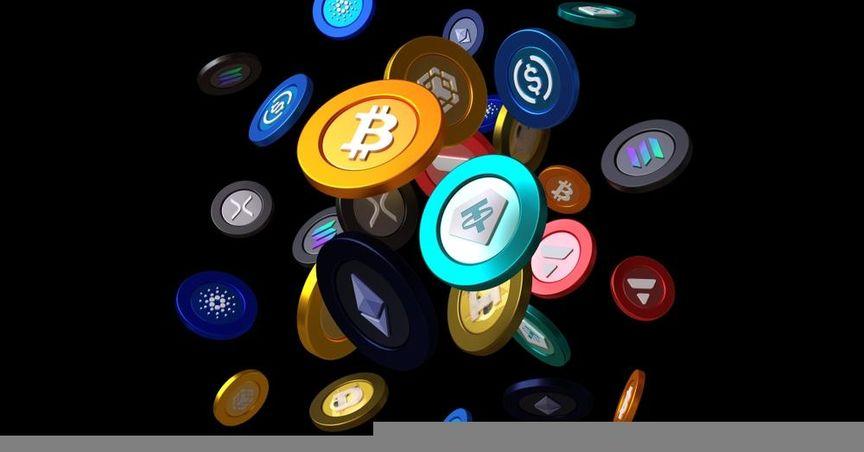
Tether, the leading cryptocurrency stablecoin issuer, made waves at the Plan ₿ Forum in El Salvador with its announcement to integrate USDT into the Bitcoin ecosystem, including both the base layer and the Lightning Network. This move is expected to accelerate the adoption of Bitcoin’s Layer-2 solutions and extend the functionality of stablecoins within the network.
Enhancing Bitcoin's Layer-2 Capabilities
The integration of USDT into Bitcoin leverages the Taproot Assets protocol powered by Lightning Labs. This new step combines Bitcoin’s decentralized and secure base layer with the scalability and efficiency of the Lightning Network. By facilitating low-cost, high-speed transactions, this integration can drive wider adoption of Bitcoin for microtransactions, remittances, and cross-border payments.
This advancement may also impact the competitive landscape, putting more pressure on Ethereum’s market share as Bitcoin becomes a stronger contender in blockchain-based financial systems.
Revolutionizing Stablecoin Use Cases
Tether’s move to Bitcoin’s Layer-2 aims to redefine the role of stablecoins in global payments. With Bitcoin’s increasing popularity among institutional and retail users, the integration of USDT will provide a more reliable, scalable, and secure payment infrastructure. By enabling tokenized assets like USDT on Bitcoin’s blockchain, this integration strengthens Bitcoin’s role in decentralized finance.
Tether’s Regulatory Struggles and Future Outlook
Tether has faced ongoing regulatory scrutiny, particularly regarding the backing of its USDT tokens. Despite these challenges, Tether has demonstrated its ability to manage its reserves effectively. The stablecoin’s move to El Salvador, a crypto-friendly jurisdiction, reflects the company’s efforts to navigate regulatory hurdles, particularly as the MiCA framework gains traction in Europe.
Despite concerns raised by figures such as Ripple’s CEO, Tether’s integration into Bitcoin’s ecosystem may diminish fears surrounding its stability, especially with its large holdings in US Treasuries.
As Tether continues to evolve and expand its reach within the Bitcoin network, the market will likely see further developments in the stablecoin space, with Tether’s actions helping to reshape the future of cryptocurrency-based payment systems.
