
 AUS
AUS
 NZ
NZ
 UK
UK
 CA
CA
 USA
USA
 IND
IND




Highlights
- Biochar concrete supports lower-emission construction
- Carbon tracking aligns with stricter reporting standards
- Data centre growth drives sustainable material demand
Australia’s construction and digital infrastructure sectors are entering a transformative phase where sustainability and scale are converging. Within this evolving landscape, NoviqTech Limited (ASX:NVQ) is positioning itself as a participant in environmental innovation tied to infrastructure demand. As the ASX 200 ecosystem reflects broader momentum across equities, emerging companies are aligning with regulatory expectations and climate-focused development. The company’s emphasis on biochar-based concrete and blockchain-enabled carbon tracking mirrors a wider shift across the ASX stock market.
What Is Driving Australia’s Data Centre Expansion?
Australia’s data centre sector continues to expand, supported by growing reliance on cloud computing, digital services, and enterprise data storage. Large-scale infrastructure projects are being planned and developed to accommodate this demand, reshaping the construction landscape.
This growth has environmental implications. Data centres require extensive use of materials such as concrete, which carries a significant environmental footprint. As sustainability reporting frameworks become more defined, developers are increasingly exploring alternative materials that align with environmental goals.
The need for greener construction inputs is becoming more pronounced, opening pathways for innovation in materials and processes.
How Does NoviqTech Fit Into This Trend?
NoviqTech Limited (ASX:NVQ) is an Australian ASX technology stock-focused company working on carbon management and environmental solutions. Through its subsidiary, Coralia, the company is advancing research into biochar integration within construction materials.
The initiative involves collaboration with an academic institution to examine how biochar derived from invasive plant species can be used in non-structural concrete and landscaping applications. Early observations indicate that this method could reduce the environmental impact associated with traditional concrete.
By combining material innovation with digital verification systems, NoviqTech is aligning its strategy with emerging sustainability requirements in infrastructure development.
What Is Biochar and Why Does It Matter?
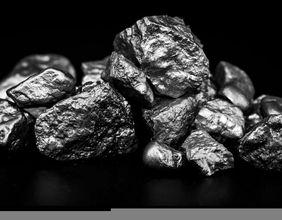
Biochar is a carbon-rich substance produced by heating organic material in a low-oxygen environment. This process stabilises carbon, preventing it from being released back into the atmosphere.
When used in construction materials, biochar provides a dual benefit. It lowers the emissions associated with conventional inputs while also storing carbon within the material itself. This makes it a valuable component in efforts to reduce the environmental impact of construction.
Concrete is widely used in infrastructure and is associated with notable emissions. Incorporating biochar into concrete introduces an opportunity to address these challenges while contributing to long-term carbon storage.
How Does Carbon Tracking Add Value?
As environmental reporting standards continue to evolve, accurate and verifiable data is becoming increasingly important. NoviqTech’s Carbon Central platform addresses this need by providing a secure system for tracking carbon-related information.
The platform uses blockchain technology to ensure that data remains transparent and tamper-resistant. For construction materials incorporating biochar, this capability enables clear verification of carbon storage outcomes.
Developers and infrastructure operators require reliable reporting to meet regulatory requirements. Verified carbon tracking transforms sustainability initiatives into measurable and credible outcomes.
What Revenue Pathways Could Develop?
The biochar initiative introduces potential commercial pathways centred on environmental solutions. One area involves carbon credits, which represent certified reductions or removals of emissions.
In this framework, organic material sourced from invasive species is converted into biochar, locking carbon into a stable form. Independent verification bodies assess the process and issue carbon credits based on the environmental benefit.
Organisations with emissions considerations may utilise these credits to balance their environmental impact. Data centre operators are among those likely to engage with such mechanisms as sustainability expectations increase.
Another pathway involves the development and adoption of biochar-enhanced construction products. As demand for environmentally aligned materials grows, these products may find broader application across infrastructure and landscaping projects.
Why Are Invasive Species Used?
The use of invasive plant species adds another dimension to the initiative. These species often disrupt ecosystems and require management.
Converting them into biochar provides a practical solution that addresses environmental concerns while creating a usable material. This approach aligns with circular economy principles, where resources are reused and repurposed.
By turning ecological challenges into construction inputs, the process contributes to both environmental management and sustainable development.
How Does This Align With Market Trends?
Sustainability is becoming a defining theme across Australian equities. From ASX mining stocks exploring cleaner extraction approaches to companies within the ASX 100 adopting structured environmental frameworks, the direction is clear.
The broader group of ASX ordinaries stocks is also experiencing increased focus on environmental disclosure and responsible practices. Even ASX dividend stocks are integrating sustainability considerations into their operational strategies.
NoviqTech’s approach aligns with these trends, reflecting a growing emphasis on environmental accountability across the market.
What Challenges Could Influence Adoption?
While biochar-based construction materials present opportunities, their adoption depends on several factors. Research outcomes must confirm performance and consistency across applications. Regulatory frameworks will also influence how new materials are incorporated into projects.
Market acceptance is shaped by cost, scalability, and integration with existing construction processes. Carbon credit systems must maintain credibility to ensure ongoing demand and trust.
Despite these considerations, the alignment of policy, innovation, and industry demand creates a supportive environment for continued development.
What Could This Mean for Australia’s Construction Future?
The intersection of infrastructure growth and environmental responsibility is reshaping construction practices. Materials that contribute to emission reduction are becoming increasingly relevant in project planning.
NoviqTech’s combination of biochar innovation and carbon tracking reflects a broader transition toward integrated sustainability. Environmental considerations are becoming embedded within materials and processes rather than treated as external factors.
As Australia’s digital infrastructure expands, solutions that balance performance with environmental outcomes are likely to remain central to development strategies.
NoviqTech Limited (ASX:NVQ) is operating within a landscape defined by sustainability and infrastructure demand. Its work in biochar-based materials and carbon tracking highlights the evolving role of technology in addressing environmental challenges.
Across the Australian market, transparency and accountability are gaining importance. Solutions that provide measurable environmental benefits are becoming increasingly relevant.
The integration of innovative materials and digital verification may play a key role in shaping how future infrastructure projects are designed and delivered.
