
 AUS
AUS
 NZ
NZ
 UK
UK
 CA
CA
 USA
USA
 IND
IND




Highlights
• DroneShield strengthens counter drone capabilities across global security environments.
• Defence technology sector reflects increasing integration of surveillance and electronic systems.
• Company developments highlight advancements in unmanned threat mitigation solutions.
DroneShield advances counter drone technologies across global markets, reflecting defence sector developments and operational integration within the ASX 300 and All Ordinaries landscape.
The defence technology sector represents a specialised segment within the broader industrial and technology landscape, encompassing companies focused on surveillance systems, electronic warfare, and security infrastructure. These organisations contribute to national and international security frameworks through the development of advanced technologies designed to manage emerging operational challenges. Within Australia’s financial ecosystem, companies in this segment are represented across indices such as the ASX 300 and the All Ordinaries, reflecting their presence in the evolving technology-driven market environment.
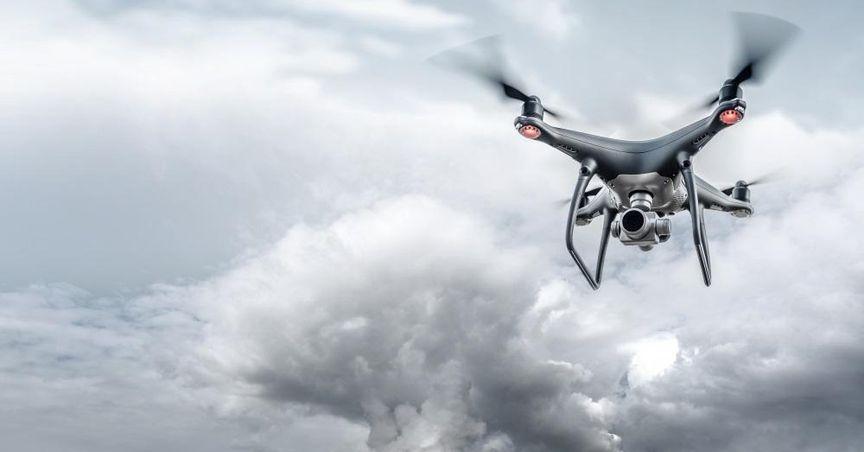
DroneShield Ltd (ASX:DRO) operates within this sector, focusing on counter drone technologies designed to detect, track, and mitigate unmanned aerial systems. The company’s operations involve the development of hardware and software platforms used across defence, law enforcement, and infrastructure protection environments. These systems are deployed to address challenges associated with increasing drone activity in various operational contexts.
The defence technology sector is characterised by continuous advancements in digital systems, signal detection, and integrated hardware solutions. Companies operating in this space engage in research-driven development to refine system performance and adapt to changing operational requirements. These developments contribute to the sector’s role within Australia’s equity landscape and its broader global relevance.
Counter Drone Systems and Operational Capabilities
Counter drone technology represents a key component of modern security systems, addressing the increasing use of unmanned aerial vehicles across both civilian and defence applications. These systems are designed to identify and manage drone activity within designated zones, supporting operational control in sensitive environments.
DroneShield’s solutions incorporate multiple layers of detection and response capabilities, including radio frequency monitoring, sensor integration, and electronic countermeasure technologies. These systems are designed to identify drone signals, track movement patterns, and provide situational awareness for operators.
Detection technologies function through the monitoring of communication signals between drones and their controllers, enabling the identification of unauthorised aerial activity. Once detected, countermeasure systems may be applied to limit or manage drone functionality, supporting operational security requirements.
Applications of these technologies extend across airports, government facilities, military installations, and critical infrastructure environments. The integration of counter drone systems into these settings reflects the increasing importance of managing aerial threats within modern security frameworks.
Within the broader financial landscape, developments in defence technology are reflected in discussions surrounding sectors represented in the asx all ords, highlighting the diversity of industries within Australia’s equity market.
Global Deployment and Market Applications
DroneShield’s technologies are utilised across multiple international regions, reflecting the global nature of defence and security requirements. The company’s solutions are implemented in environments where drone activity presents operational challenges, including urban areas, border zones, and infrastructure facilities.
Global deployment involves collaboration with defence agencies, security organisations, and commercial operators. These partnerships support the implementation of counter drone systems within diverse operational environments, ensuring compatibility with existing infrastructure and security protocols.
The expansion of drone usage across industries such as logistics, surveillance, and aerial monitoring has contributed to increased demand for systems that manage unmanned aerial activity. As drones become more integrated into operational environments, technologies designed to monitor and control their use have become a central component of security strategies.
The deployment of counter drone systems also involves integration with command and control platforms, enabling coordinated responses to aerial activity. These systems contribute to broader situational awareness frameworks, supporting decision-making processes within security operations.
The global presence of defence technology companies highlights the interconnected nature of security systems across regions, where shared technological approaches address common operational challenges.
Technological Innovation and Product Development
Technological advancement within the defence sector involves continuous refinement of detection systems, signal processing technologies, and electronic countermeasure capabilities. DroneShield’s development activities focus on enhancing system efficiency, detection accuracy, and operational integration across various environments.
Product development includes the integration of software platforms with hardware systems, enabling seamless operation across detection and response processes. These systems are designed to operate in real-time environments, supporting rapid identification and management of drone activity.
Advancements in artificial intelligence and data processing technologies contribute to improved system performance, enabling more accurate identification of drone signatures and movement patterns. These innovations support the evolution of counter drone systems within increasingly complex operational settings.
Research and development activities are supported by collaboration with industry partners and institutional organisations, contributing to the testing and refinement of technologies. These processes ensure that systems align with operational requirements and industry standards.
Within Australia’s financial ecosystem, companies engaged in technological innovation are also referenced in broader discussions involving sectors such as ASX dividend stocks, depending on their operational and financial structures.
Sector Trends and Industry Developments
The defence technology sector continues to evolve through the integration of advanced digital systems, automation, and data-driven technologies. These developments contribute to the creation of comprehensive security solutions that address a wide range of operational requirements.
Industry trends include the increasing adoption of integrated surveillance systems, where multiple technologies operate together to provide enhanced situational awareness. These systems combine detection, tracking, and response capabilities within unified platforms.
The sector also reflects broader developments in cybersecurity, communication systems, and electronic warfare technologies. These areas contribute to the development of advanced defence solutions that support both national and international security frameworks.
Corporate activity within the sector includes product development, system deployment, and operational updates that provide insights into company activities and industry dynamics. These developments highlight the role of defence technology companies within the broader industrial landscape.
Within Australia’s equity market, companies operating in this sector contribute to a diversified market structure, reflecting the growing importance of technology-driven industries. The continued advancement of counter drone technologies highlights the evolving nature of defence systems and their integration within global security environments.
