
 AUS
AUS
 NZ
NZ
 UK
UK
 CA
CA
 USA
USA
 IND
IND




Highlights
- Diversified fleet combining natural gas and renewable generation assets
- Constituent of the TSX Completion Index
- Operations aligned with rising electricity demand across North America
Capital Power is a utility operator in the TSX Completion Index supplying electricity through diversified gas and renewable generation assets.
Capital Power Corporation (TSX:CPX) operates within the power generation segment of the utilities sector, focusing on electricity production from a mix of thermal and renewable sources. As a constituent of the TSX Completion Index, the company represents mid-cap participation in Canada’s evolving energy landscape. Its activities are closely aligned with the broader Utility Stocks category, where demand for reliable and flexible electricity supply continues to shape operational priorities.
Position in the TSX Completion Index
The TSX Completion Index tracks companies outside the largest constituents of the Canadian market, providing insight into mid- and small-cap corporate activity. Capital Power Corporation is included due to its scale within the independent power producer segment and its diversified generation portfolio.
Within this index, utility companies contribute to essential infrastructure by supplying electricity across residential, commercial, and industrial markets. Independent power producers play a significant role in complementing regulated utilities through merchant generation and contracted capacity.
Generation Portfolio and Energy Mix
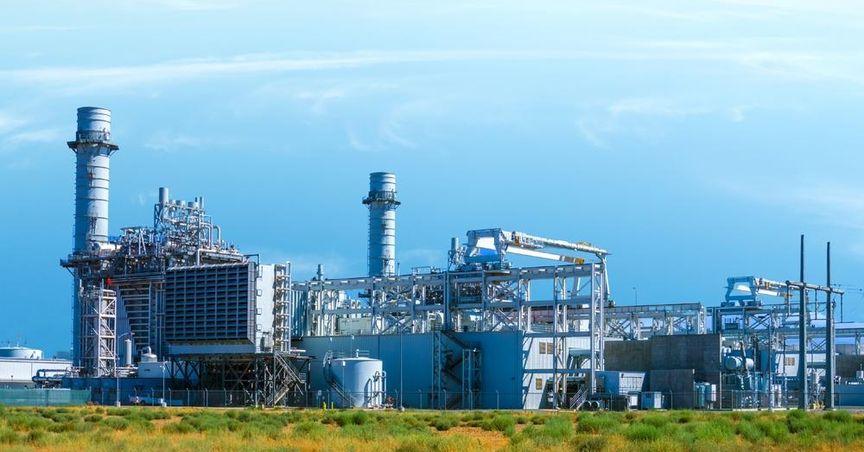
Capital Power Corporation (TSX:CPX) maintains a generation portfolio spanning natural gas, wind, solar, and waste heat recovery facilities. This mix reflects a balance between dispatchable and intermittent energy sources.
Natural gas-fired plants provide consistent baseload and peaking capacity, supporting grid reliability during periods of high demand. Renewable assets, including wind and solar facilities, contribute to lower-emission electricity production and align with regional decarbonization frameworks.
Waste heat recovery systems capture energy from industrial processes, improving efficiency and reducing resource waste. This diversified portfolio supports operational flexibility across different market conditions.
Natural Gas as Dispatchable Capacity
Natural gas generation remains a key component of the company’s operations. Gas-fired facilities can adjust output quickly, allowing them to respond to fluctuations in electricity demand and complement renewable generation.
These assets are often used to stabilize grid performance when wind or solar output varies. In regions with growing renewable penetration, dispatchable generation provides essential backup capacity.
The operational characteristics of natural gas plants make them central to maintaining reliability within interconnected power systems.
Renewable Energy Expansion
The company has expanded its renewable energy footprint through wind and solar projects located across North America. These facilities generate electricity without combustion, contributing to emissions reduction initiatives within the utilities sector.
Wind farms are typically located in regions with consistent wind resources, while solar installations are deployed in areas with high solar irradiance. Both technologies form part of long-term electricity supply agreements with utilities and corporate customers.
Renewable capacity additions reflect broader trends within the Utility Stocks segment, where diversification into cleaner energy sources continues to shape generation portfolios.
Geographic Footprint
Operations are concentrated in Canada and the United States, with generation facilities distributed across multiple provinces and states. Alberta represents a significant operational hub, supported by a deregulated electricity market.
U.S. assets extend the company’s reach into diverse regional power markets, providing exposure to varying regulatory frameworks and demand patterns. This geographic diversity supports balanced operations across different jurisdictions.
Transmission connections and grid integration enable electricity generated at these facilities to reach end users across regional networks.
Contracts and Power Sales
Electricity generated by the company is sold through a combination of long-term contracts and merchant market participation. Power purchase agreements establish fixed delivery terms with utilities and commercial buyers.
Merchant generation allows participation in wholesale electricity markets, where output is sold based on prevailing demand conditions. This dual approach supports revenue generation across contracted and market-based channels.
Capacity payments and ancillary services also contribute to the overall operational framework within competitive electricity markets.
Sector Trends and Electricity Demand
Electricity demand has shown increasing complexity due to electrification of transportation, industrial processes, and digital infrastructure. Data centers and high-performance computing facilities require substantial and consistent power supply.
Within the TSX Completion Index, utility companies are adapting to these shifts by expanding capacity and integrating renewable generation.
Grid reliability remains a central consideration, with dispatchable assets playing a supporting role alongside renewable energy sources.
Infrastructure and Operational Systems
The company operates and maintains generation facilities supported by advanced monitoring and control systems. These systems optimize plant performance and ensure compliance with regulatory standards.
Maintenance programs are designed to sustain operational efficiency across both thermal and renewable assets. Grid interconnections and transmission access remain critical components of electricity delivery.
The integration of multiple generation technologies requires coordinated management to balance output and maintain system stability.
