
 AUS
AUS
 NZ
NZ
 UK
UK
 CA
CA
 USA
USA
 IND
IND





Highlights:
- U.S. mandate extends Centralia Unit 2 operations timeline
- Diverse generation fleet spans thermal, hydro, wind assets
- Energy transition segment reflects evolving power mix
TransAlta Corporation maintains a diversified generation portfolio within the S&P/TSX Composite Index, reflecting ongoing changes across the global utility sector.
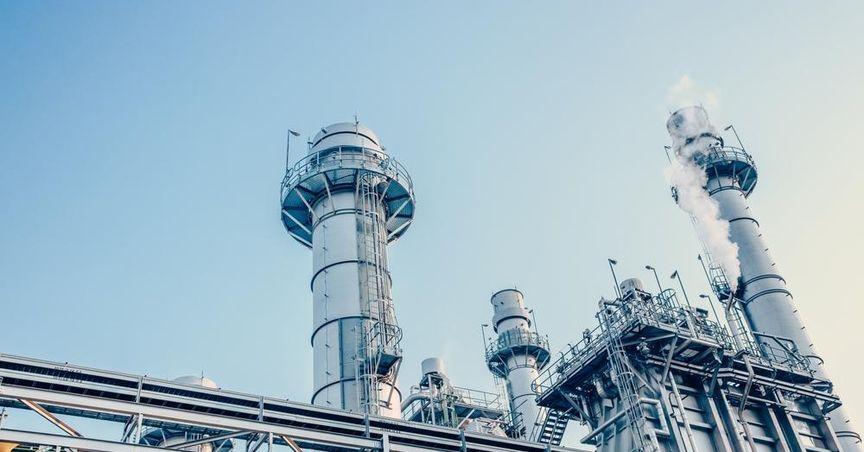
S&P/TSX Composite Index includes a range of power generation companies, and TransAlta Corporation (TSX:TA) operates within the electricity generation sector with assets across Canada, the United States, and Australia. The company’s operations span thermal, hydroelectric, wind, and solar facilities, placing it among established names within Utility Stocks.
Centralia Mandate and Operational Implications
TransAlta Corporation (TSX:TA) recently drew attention following a directive from the United States Department of Energy to keep Centralia Unit 2 in Washington State available for operation beyond its previously scheduled timeline. The mandate extends the plant’s availability through mid-September 2026, reflecting ongoing grid reliability considerations in the region.
Centralia has historically been part of the company’s coal-fired generation fleet, and its continued availability highlights the role of dispatchable power sources in supporting electricity demand during transitional periods. While the facility had been scheduled for retirement, regulatory decisions have temporarily altered its operational status.
Within the context of the S&P/TSX Composite Index, such developments illustrate how energy infrastructure assets can remain relevant amid evolving regulatory frameworks and shifting supply-demand dynamics.
Diversified Generation Portfolio
The company maintains a diversified generation portfolio that includes natural gas, hydroelectric, wind, and solar assets. This mix enables participation across multiple segments of the electricity market, from baseload generation to renewable energy production.
Thermal assets, including gas-fired facilities, continue to provide dispatchable capacity, supporting grid stability during periods of fluctuating renewable output. Hydroelectric stations contribute long-duration generation, while wind and solar installations represent the expanding renewable segment of the portfolio.
TransAlta Corporation (TSX:TA) has developed projects in Alberta, Ontario, and Western Australia, among other regions. These assets operate within various regulatory environments, each with distinct market structures and policy frameworks governing electricity generation and distribution.
Energy Transition Segment
The company’s energy transition segment reflects efforts to shift toward lower-emission generation sources while managing legacy thermal assets. This segment includes facilities undergoing conversion, retirement, or repurposing as part of broader operational changes.
Centralia’s extended availability falls within this segment, highlighting the balancing act between decarbonization efforts and maintaining reliable electricity supply. Across the power generation sector, similar dynamics are visible as utilities and independent producers adjust portfolios to align with environmental requirements.
Participation in the S&P/TSX Composite Index places the company alongside peers navigating comparable transitions in generation mix and infrastructure planning.
Renewable Energy Expansion
Renewable energy development remains a key component of the company’s asset base. Wind farms and solar projects contribute to overall generation capacity, supported by long-term agreements and grid integration initiatives.
Hydroelectric assets, often characterized by stable output, complement intermittent renewable sources. The combination of hydro and wind resources enables more consistent generation profiles compared to standalone renewable facilities.
The broader Utility Stocks category continues to expand renewable capacity, driven by regulatory frameworks and technological advancements. The company’s portfolio reflects this trend through ongoing development and operation of renewable assets.
Geographic Footprint and Market Exposure
Operations span multiple jurisdictions, including Canada, the United States, and Australia. Each region presents distinct regulatory conditions, electricity market structures, and demand patterns.
In Alberta, operations are influenced by a deregulated power market, where supply and demand determine dispatch levels. In contrast, regulated frameworks in other regions shape revenue structures and operational planning.
The Centralia facility in Washington State underscores the company’s exposure to U.S. energy markets, where federal and state-level directives can influence asset utilization. Australian operations add further geographic diversification, particularly in renewable energy development.
Industry Trends in Power Generation
The global electricity generation sector is undergoing structural changes driven by decarbonization initiatives, technological innovation, and evolving consumption patterns. Renewable energy sources continue to gain prominence, supported by policy incentives and declining technology costs.
At the same time, dispatchable generation remains essential for grid reliability, particularly during periods of peak demand or variable renewable output. This dual requirement has led to a mixed generation landscape where legacy and modern assets coexist.
Within the S&P/TSX Composite Index, utility and power generation companies reflect these industry-wide shifts, balancing traditional generation with renewable expansion and infrastructure modernization.
Operational Considerations and Asset Management
Asset management involves maintaining generation efficiency, ensuring regulatory compliance, and optimizing output across diverse facilities. Maintenance schedules, fuel sourcing, and environmental standards influence operational performance.
The extension of Centralia Unit 2’s availability highlights the importance of operational flexibility, where assets can be retained or retired based on regulatory decisions and system needs. Such flexibility remains a defining feature of large-scale power generation portfolios.
TransAlta Corporation (TSX:TA) continues to manage a combination of legacy and modern assets, reflecting the transitional nature of the electricity generation sector.
