
 AUS
AUS
 NZ
NZ
 UK
UK
 CA
CA
 USA
USA
 IND
IND





Highlights
- Cenovus increases quarterly base dividend amid strong operations
- Integrated upstream and downstream assets support cash generation
- Oil sands and refining assets drive production and throughput
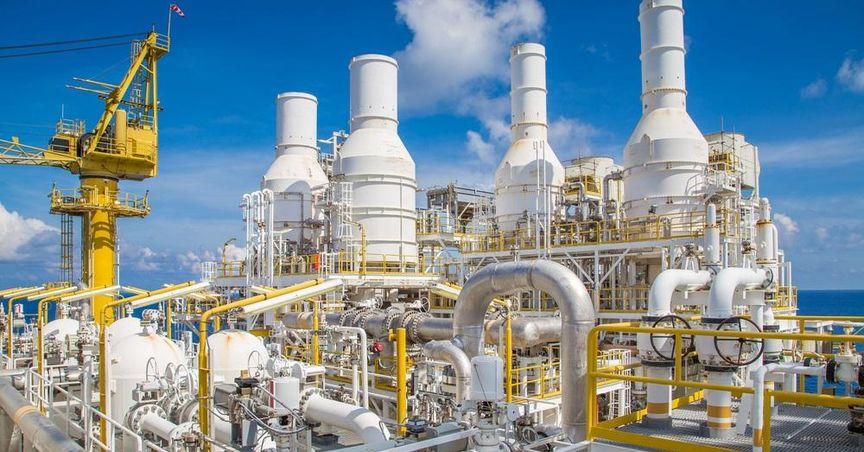
Cenovus Energy delivers integrated upstream and downstream operations within the S&P/TSX Composite Index, supporting production, refining, and energy infrastructure across North America.
Cenovus Energy Inc. operates within the oil and gas segment of the energy sector, focusing on upstream production and downstream refining activities. The company is part of the S&P/TSX Composite Index, reflecting its position among Canada’s major publicly listed corporations. Energy producers form a significant portion of the Canadian equity market, particularly within Oil and Gas Stocks, which include companies engaged in exploration, production, refining, and distribution of hydrocarbons.
The company’s integrated structure links crude oil extraction with refining and upgrading, enabling participation across multiple stages of the energy value chain.
Upstream Operations and Oil Sands Assets
The upstream segment includes oil sands projects and conventional oil and natural gas operations. Oil sands assets are primarily located in Alberta, where thermal and mining techniques are used to extract bitumen. These projects produce heavy crude that is either upgraded into synthetic crude oil or transported for refining.
Conventional operations extend across Alberta and British Columbia, including liquids-rich natural gas assets. These operations provide diversification within the resource base, contributing to overall production volumes.
Cenovus Energy Inc. (TSX:CVE) maintains a portfolio that combines long-life oil sands reserves with shorter-cycle conventional production, supporting operational continuity within the S&P/TSX Composite Index.
Downstream Refining and Upgrading
The downstream segment includes refining and upgrading facilities located in Canada and the United States. Refineries process crude oil into refined products such as gasoline, diesel, and jet fuel. Upgrading facilities convert heavy crude into lighter synthetic products that can be more easily transported and processed.
High utilisation rates at these facilities indicate strong operational throughput and efficiency. Refining capacity complements upstream production by providing an internal destination for crude output, reducing reliance on external processing.
This integration of upstream and downstream operations aligns with broader industry practices among large energy companies represented within the S&P/TSX Composite Index.
Integrated Business Model and Operational Balance
The integrated model allows the company to balance production and refining activities. Upstream operations generate crude supply, while downstream facilities process that supply into marketable products. This structure supports continuity across different segments of the energy value chain.
Integration also enables optimisation of logistics, including transportation and storage. Pipelines and rail networks facilitate the movement of crude oil and refined products between production sites and refineries.
Cenovus Energy Inc. (TSX:CVE) utilises this model to maintain operational coordination across its asset base, reflecting the interconnected nature of modern energy systems.
Dividend Framework and Distribution Practices
The company has implemented a dividend structure that includes a base component supported by operational cash generation. Adjustments to the base dividend reflect changes in underlying financial performance and operational conditions.
Energy companies with established distribution frameworks are often included in Dividend Stocks, particularly when supported by consistent production and refining activity. The company’s approach reflects broader practices within the energy sector, where distributions are linked to operational output and cash flow generation.
Dividend adjustments are typically communicated alongside financial results, providing transparency regarding changes to payout structures.
Operational Performance and Utilisation
Operational performance is influenced by production volumes, refining throughput, and utilisation rates. High utilisation at refining facilities indicates efficient processing capacity, contributing to the conversion of crude oil into finished products.
Upstream production levels depend on factors such as reservoir performance, maintenance schedules, and project development timelines. Consistent output supports downstream operations by ensuring a steady supply of feedstock.
The company’s operations across upstream and downstream segments demonstrate the interconnected nature of energy production and refining within the S&P/TSX Composite Index.
Geographic Presence and Infrastructure
Operations are concentrated in key energy-producing regions of Canada, particularly Alberta, with additional refining assets in North America. This geographic distribution supports access to resource basins, transportation networks, and end markets.
Infrastructure includes production facilities, pipelines, storage terminals, and refineries. These assets enable the movement and processing of hydrocarbons across different stages of the value chain.
The company’s footprint reflects the broader structure of the North American energy industry, where integrated operations connect upstream extraction with downstream processing and distribution.
