
 AUS
AUS
 NZ
NZ
 UK
UK
 CA
CA
 USA
USA
 IND
IND

_04_20_2026_06_48_50_818967.jpg)




Highlights
ASX market reflects steady movement across major sectors.
Global developments influence trading sentiment and participation.
Financial and resource stocks contribute to index stability.
ASX market reflects steady movement as global developments influence sentiment, with financial and resource sectors contributing to overall index stability.
The Australian equity market spans multiple sectors including financial services, mining, energy, and industrials, forming a diversified and interconnected system. These sectors collectively influence daily trading activity and broader index direction. Within benchmark indices such as the ASX 200, large-cap companies across industries play a central role in shaping market movement.
The market has recently reflected a relatively stable pattern, with limited directional change as participants monitor global developments. This environment highlights the interaction between domestic sector activity and international factors, which together influence index-level performance.
Global Developments Influence Market Sentiment
Global geopolitical developments and macroeconomic conditions often shape trading activity across international markets, including the ASX. Changes in global conditions can influence investor sentiment, which in turn impacts sector participation and overall market movement.
The Australian market remains closely linked to global developments due to its exposure to commodity exports, financial markets, and international trade. This connection contributes to the responsiveness of ASX-listed companies to external influences.
Market participants continue to monitor international developments, including geopolitical activity and economic signals, which may affect trading behaviour. These factors contribute to the overall stability observed within the market during periods of limited directional movement. Within the broader ASX 300, companies across different sectors contribute to the representation of the market, highlighting the diversity of industry participation.
Financial And Banking Sector Contributions
The financial sector, including banking institutions and financial service providers, represents a significant component of the Australian equity market. These entities contribute to capital allocation, liquidity, and overall market structure.
Banking stocks often reflect broader economic conditions, including lending activity and financial system performance. Their presence within major indices ensures that they play a central role in shaping market movement.
Financial service providers and investment firms operate alongside traditional banks, contributing to a diverse financial ecosystem. These companies offer services ranging from asset management to digital financial platforms, reflecting the evolving nature of financial services.
Within the context of the ASX All Ords, financial companies form part of a comprehensive representation of industries, highlighting their integration within the broader economy. The interaction between financial institutions and other sectors contributes to overall market stability and activity.
Resource Sector Activity Supports Market Structure
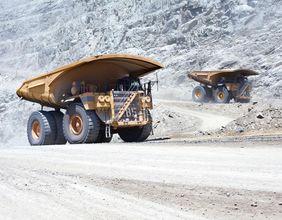
The mining and resource sector remains a key driver of activity within the Australian market, with companies engaged in commodities such as iron ore, gold, and energy resources. These operations contribute to export markets and global supply chains.
Resource stocks often reflect developments in global commodity markets, where changes in demand and supply influence trading patterns. These factors contribute to the role of mining companies within index performance.
The sector includes companies at different stages of development, from exploration to production, creating a layered representation of the mining industry. This diversity supports the overall structure of the market.
Within financial categories such as ASX dividend stocks, mining companies may demonstrate varied financial approaches depending on their operational focus and commodity exposure. This highlights the range of strategies across the sector. The continued activity within the resource sector contributes to the stability and diversity of the Australian equity market.
Market Structure And Ongoing Participation Trends
The Australian equity market is structured to include companies across a wide range of sectors and market capitalisations, forming a comprehensive representation of the economy. Major indices incorporate companies based on size, liquidity, and sector classification.
The recent stability observed within the ASX reflects ongoing participation from institutional entities, corporate stakeholders, and market participants. These groups contribute to liquidity and trading activity across the exchange.
The interaction between domestic sector performance and global developments continues to shape market conditions. This dynamic environment reflects the interconnected nature of modern financial markets.
Companies across financial, mining, and industrial sectors contribute collectively to index movement, highlighting the importance of diversified participation within the market. The ASX continues to reflect a balanced structure where large-cap companies provide stability, while broader sector participation supports overall market activity.
