
 AUS
AUS
 NZ
NZ
 UK
UK
 CA
CA
 USA
USA
 IND
IND





Highlights
Tech and energy sectors drag down the Australian sharemarket.
Gold miners and rare earth companies buck the broader decline.
Market sentiment dampened by renewed US-China trade tensions.
The Australian sharemarket began the week on a cautious note as global sentiment wavered amid renewed trade tensions between the United States and China. The ASX 200, a key benchmark reflecting the broader market performance, edged lower with investors reacting to geopolitical uncertainty and elevated market valuations. Technology and energy companies bore the brunt of the sell pressure, while gold miners and rare earth producers provided a rare bright spot.
Australia’s ASX stock market mirrored global trends, reflecting the fragile mood in equity markets as investors assessed ongoing trade developments. Despite the subdued performance, optimism lingered around selective mining and resource counters, hinting at resilience in certain parts of the economy.
What Triggered the Market Weakness?
The downturn was largely influenced by fresh concerns over global trade relations. Tensions between the world’s two largest economies once again dominated headlines, casting a shadow over Asia-Pacific equities. The uncertainty reignited caution across the ASX 100 and other major indices, as investors weighed the potential impact of disrupted supply chains and export restrictions.
Even though Wall Street futures hinted at a potential rebound, local sentiment remained defensive. The broad-based weakness across ten of the eleven sectors highlighted the sensitivity of Australian equities to global macroeconomic developments.
Why Did Technology Stocks Face Pressure?
The technology segment faced notable headwinds, mirroring trends observed in global markets. Shares of Life360 (ASX:360), a technology-driven family safety platform provider, experienced declines as cautious sentiment spilled over from international peers. Similarly, logistics software company WiseTech Global (ASX:WTC) came under pressure following a week of high valuations and profit-taking activity.
Computershare (ASX:CPU), known for its global registry and shareholder services, also recorded losses as technology-heavy counters fell out of favour. This segment’s weakness reflected a wider rotation among investors seeking stability in uncertain times.
How Did Energy Stocks Perform?
The energy sector was another major contributor to the market’s decline. Despite a rise in global oil benchmarks, local energy producers struggled to maintain momentum. Investor caution was evident as concerns over global demand trends overshadowed any gains from oil price improvements.
The broader retreat in energy shares added weight to the ASX ordinaries stocks, which tracked declines across multiple segments. The sector’s performance underscored how sensitive energy producers remain to geopolitical uncertainties and market volatility.
Which Sectors Offered Support?
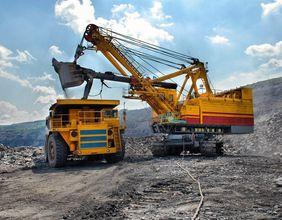
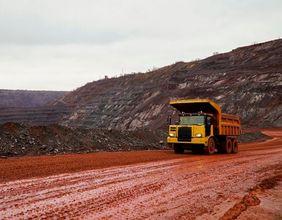
Amid the widespread softness, select segments within the ASX mining stocks offered some relief. Gold producers gained traction as prices of the precious metal touched record highs, drawing renewed investor interest in safe-haven assets.
Regis Resources (ASX:RRL), a prominent gold miner, saw buying interest as investors turned to defensive exposures. Newmont Corporation (ASX:NEM), a global gold giant with strong Australian operations, also moved higher, benefiting from positive sentiment surrounding the metal’s record price levels. Evolution Mining (ASX:EVN), another key name in the domestic mining landscape, recorded similar momentum as the market favoured gold-related equities.
Rare earth miner Lynas Rare Earths (ASX:LYC) stood out with strong performance after renewed discussions about strategic trade controls in the rare earth sector. The company, which plays a crucial role in supplying key minerals used in electric vehicles and clean energy technologies, reached levels not seen in more than a decade.
What Corporate Updates Shaped the Session?
Corporate developments further influenced market direction. Qantas Airways (ASX:QAN) faced investor scrutiny following reports of a data breach that exposed customer records. The airline’s update weighed on sentiment as data security and consumer protection concerns gained prominence.
Treasury Wine Estates (ASX:TWE) also faced challenges after withdrawing earnings guidance and halting its planned share repurchase program. The decision marked a significant shift for the premium wine producer, which has faced multiple headwinds in recent years including shifting export dynamics and global demand challenges.
Meanwhile, uranium explorer Toro Energy (ASX:TOE) attracted attention after announcing that Canadian firm IsoEnergy would acquire full ownership in a new strategic deal. The agreement underscored the growing international interest in Australia’s uranium assets amid rising global energy transition ambitions.
How Are Global Factors Influencing the Outlook?
Global macroeconomic uncertainty continues to shape investor sentiment in Australia. The lingering effects of trade disputes, fluctuating commodity prices, and changing policy outlooks in major economies have all contributed to a cautious trading environment.
While the ASX remains supported by its large representation of miners and banks, these sectors alone may not be sufficient to offset weakness in cyclical and growth-oriented stocks. The interplay between global economic developments and domestic fundamentals remains a critical factor in shaping near-term market trends.
Is There Resilience in Select Stocks?
Despite the overall decline, segments tied to gold and rare earth elements demonstrated resilience. This reflects the ongoing demand for metals used in technology manufacturing and energy transition projects.
Companies like Lynas Rare Earths (ASX:LYC) and Evolution Mining (ASX:EVN) are viewed as key beneficiaries of the structural shift towards renewable and sustainable industries. Their positions within the global supply chain have strengthened their profiles even in challenging market conditions.
Moreover, as investors search for income stability, ASX dividend stocks continue to attract attention for their potential to offer consistent returns amid market turbulence.
What Lies Ahead for Investors?
While short-term volatility may persist, the evolving landscape presents selective opportunities across diversified sectors. The ASX stock market remains a vital platform for tracking sector rotations, policy changes, and shifting investor sentiment.
The immediate focus will remain on macroeconomic developments, global trade policy shifts, and inflationary pressures influencing interest rate expectations. These elements will likely continue driving fluctuations across the ASX 100 and broader benchmarks.
Investors may continue observing how resource-rich counters balance out the impact of declining growth sectors as the market navigates this period of uncertainty.
The Australian market’s recent decline underscores the complex interplay between global trade tensions, sectoral rotations, and domestic resilience. While technology and energy names like Life360 (ASX:360), WiseTech Global (ASX:WTC), and Computershare (ASX:CPU) weighed on performance, the strength of miners such as Regis Resources (ASX:RRL) and Lynas Rare Earths (ASX:LYC) highlighted the enduring value of Australia’s resource base.
As volatility continues to define trading conditions, market participants remain focused on adaptability and long-term positioning within the ever-evolving dynamics of the ASX stock market.
