
 AUS
AUS
 NZ
NZ
 UK
UK
 CA
CA
 USA
USA
 IND
IND






Highlights
- Drilling activity is shaping service demand.
- Producer budgets remain central to the outlook.
- Technology and execution could influence positioning.
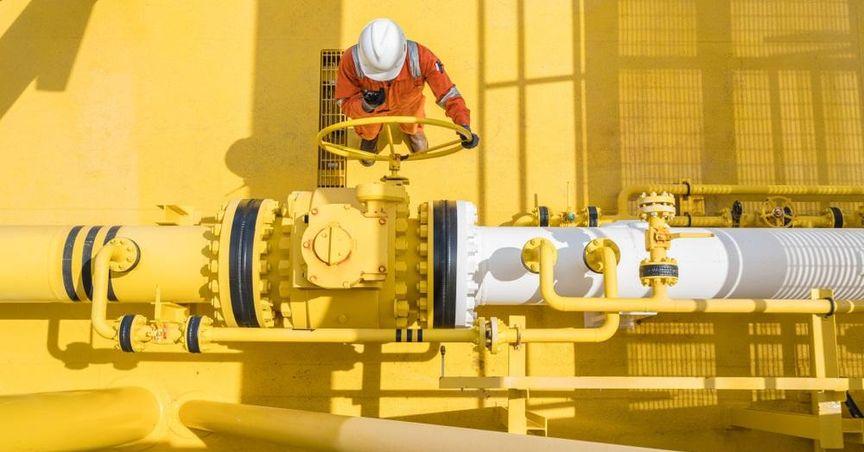
Drilling trends, disciplined producer budgets, global projects, service pricing, and digital technology are shaping the outlook for a major oilfield-services business operating across complex energy markets.
Halliburton Company (NYSE:HAL) has returned to focus as energy markets assess drilling activity, producer spending, and demand for specialized oilfield services. As a constituent of the S&P 500, the company remains an important part of the broader U.S. energy sector, reflecting trends in oilfield services and exploration activity. Halliburton is a global energy-services company that provides drilling, well construction, completion, production, and digital technologies to oil and natural gas operators. Its business sits close to the center of the exploration cycle, making current industry conditions especially important for understanding its operational direction. As producers balance capital discipline with the need to maintain output, attention is turning toward whether service demand can remain resilient across major energy regions.
Why Halliburton Matters Now
Halliburton plays an essential role in helping energy producers locate resources, construct wells, improve recovery, and manage complex field operations. Its services are used throughout the life of an oil or natural gas asset, from initial drilling work to completion and production support.
That broad exposure gives the company visibility into how producers are adjusting their plans. When drilling programs expand, demand can increase for equipment, pressure-pumping services, completion tools, and technical expertise. When producers become more cautious, service companies may face slower activity, tighter pricing conditions, and greater competition for projects.
The current focus is therefore not based on a single headline. It reflects a larger question about how energy-service providers can operate effectively while customers remain disciplined with budgets.
Drilling Activity in Focus
Drilling activity is one of the clearest indicators of demand across the oilfield-services industry. More active rigs can support stronger demand for well construction, cementing, drilling fluids, completion systems, and field support. Slower activity can reduce equipment utilization and place pressure on service pricing.
Halliburton has deep exposure to North American shale operations, where activity can respond quickly to changes in commodity conditions and producer priorities. The region remains important because shale wells require regular development to offset natural production declines.
International markets provide another layer of opportunity. Large projects in the Middle East, Latin America, Africa, and other regions often involve longer planning cycles and national energy strategies. These projects may offer greater visibility than shorter-cycle shale activity, although execution can involve logistical, political, and operational complexity.
Producer Spending Signals
Producer spending is closely connected to Halliburtons service demand. Energy companies decide how much capital to direct toward drilling, well completion, field expansion, maintenance, and production optimization.
Many producers have emphasized disciplined spending rather than rapid expansion. That approach can create a more measured operating environment for service providers. Instead of depending on aggressive activity growth, companies may need to demonstrate that their technology and services can help customers improve efficiency.
Halliburton can support this objective through systems designed to shorten drilling times, improve well placement, reduce equipment downtime, and strengthen production performance. The ability to deliver measurable operational value may become increasingly important as customers scrutinize every major project.
Service Demand Trends
Demand across the broader oil & gas stock landscape is influenced by production requirements, commodity conditions, energy security, and long-term resource development. Halliburtons position inside this ecosystem gives it exposure to several stages of the upstream process.
Completion services remain especially important because a drilled well cannot contribute meaningful production until completion work has been performed. This stage may involve hydraulic fracturing, pressure pumping, testing, and related technologies.
Demand can also emerge from mature fields. Producers often seek ways to extend the useful life of existing assets by improving recovery rates and maintaining equipment. Halliburtons production-focused technologies can support those efforts without depending entirely on new drilling programs.
Technology Shapes Competition
Oilfield services are becoming increasingly technology-driven. Digital tools, automation, remote monitoring, advanced sensors, and data analysis can help operators make faster decisions and improve field performance.
Halliburton has developed digital capabilities that connect subsurface information with drilling and production operations. These systems can help customers evaluate reservoirs, plan wells, monitor activity, and respond to changing conditions.
Technology may also support safer operations. Remote systems can reduce the need for personnel in hazardous areas, while predictive maintenance tools can identify equipment problems before they interrupt field activity.
The competitive advantage does not come from technology alone. Customers also consider reliability, project execution, geographic reach, technical support, and the ability to integrate multiple services. Halliburtons established global network may help it address these requirements across complex projects.
Pricing and Cost Discipline
Pricing remains a major issue for oilfield-service providers. Strong demand and limited equipment availability can support service rates, while softer activity may lead to more intense competition.
Halliburton must balance customer relationships with the need to protect operating quality. This involves careful equipment deployment, workforce planning, procurement management, and contract selection.
Cost pressure can arise from labor, transportation, raw materials, maintenance, and supply-chain disruption. International projects may also involve currency movement and logistical challenges. Effective cost control is therefore important even when demand appears stable.
The companys ability to keep equipment active and direct resources toward stronger markets could influence its operating resilience. Utilization matters because idle equipment continues to generate storage, maintenance, and depreciation costs without producing corresponding revenue.
Global Energy Needs
Long-term energy demand continues to support the need for oil and natural gas development, even as renewable power and electrification gain importance. Traditional energy sources still play a major role in transportation, manufacturing, chemicals, electricity generation, and global trade.
Energy security has also encouraged several countries to evaluate domestic production and diversified supply. This can lead to investment in new fields, liquefied natural gas infrastructure, offshore development, and enhanced recovery projects.
Halliburton may participate in these projects by providing technical services throughout the development cycle. However, timing can vary widely because large energy projects often require regulatory approvals, financing, engineering work, and extensive planning.
What Could Shape Progress?
Halliburtons direction will depend on the combination of drilling activity, customer budgets, service pricing, and operational execution. North American conditions may remain sensitive to producer discipline, while international markets could provide steadier project visibility.
Technology adoption may also influence demand. Customers are increasingly looking for tools that improve efficiency, lower operating risk, and support more precise field decisions. Halliburtons ability to demonstrate clear results could help strengthen customer relationships.
At the same time, the industry remains exposed to commodity uncertainty, geopolitical developments, regulatory changes, and supply-chain pressures. These factors can affect project timing even when long-term resource demand remains intact.
The Key Takeaway
Halliburton Company (NYSE:HAL) renewed market focus reflects the importance of drilling activity and producer spending across the energy-services cycle. The companys extensive capabilities, global reach, and technology portfolio give it several avenues for supporting customers.
The central issue is whether disciplined producer budgets can still generate healthy demand for completion, drilling, and production services. Halliburtons ability to manage costs, maintain equipment utilization, expand digital solutions, and execute international projects will remain important as the energy market searches for clearer signals.
