
 AUS
AUS
 NZ
NZ
 UK
UK
 CA
CA
 USA
USA
 IND
IND





Highlights
- ExxonMobil operates one of the world's largest integrated energy businesses.
- The company maintains upstream, downstream, and chemical operations across multiple regions.
- Energy demand, refining activity, and lower-carbon technologies continue shaping the sector.
ExxonMobil (NYSE:XOM) operates within the global energy sector, maintaining activities that span crude oil exploration, natural gas production, refining, petrochemicals, and lower-emission technologies. As a constituent of the S&P 500, the company remains one of the most closely followed participants in the global energy industry. Its operations also position it within the Oil and Gas Stocks category, reflecting its diversified presence across the energy value chain.
Integrated business model
The company's integrated operating model combines upstream production with downstream refining and chemical manufacturing. This structure allows crude oil and natural gas extracted from producing assets to support refining operations that manufacture transportation fuels and feedstocks used in industrial applications.
Chemical operations manufacture products used across packaging, construction, automotive, consumer goods, healthcare products, and industrial manufacturing. This diversified structure distinguishes integrated energy companies from businesses focused on a single segment of the industry.
Global operations
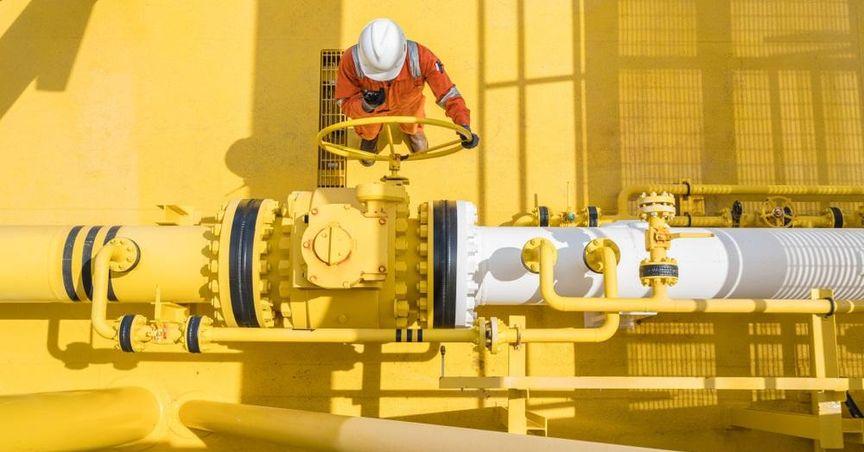
Production activities extend across North America, South America, Europe, Africa, Asia-Pacific, and the Middle East. The company operates offshore developments, shale resources, liquefied natural gas projects, and conventional oil and gas fields.
Refining facilities process crude oil into gasoline, diesel, aviation fuel, lubricants, and other petroleum products supplied to domestic and international markets. Marketing operations distribute these products through commercial and wholesale channels.
Within the S&P 500, integrated energy companies continue supporting transportation, manufacturing, aviation, shipping, and industrial activity worldwide.
Upstream activities
Exploration and production remain a significant component of operations. Activities include identifying hydrocarbon resources, drilling wells, developing production infrastructure, and transporting crude oil and natural gas.
Major producing regions include the Permian Basin in the United States, offshore Guyana developments, deepwater assets, and liquefied natural gas projects serving international markets. These operations contribute to diversified production across multiple resource types.
Technological advances such as seismic imaging, digital monitoring, and automated drilling systems continue improving operational efficiency across upstream developments.
Refining and chemicals
Downstream operations convert crude oil into refined petroleum products required across transportation and industrial sectors. Refineries manufacture gasoline, diesel, aviation fuel, marine fuels, lubricants, asphalt, and specialty products.
Chemical manufacturing produces polyethylene, polypropylene, elastomers, performance polymers, and specialty materials used in everyday consumer products. Packaging, medical equipment, automotive components, electronics, and construction materials all utilize products manufactured through petrochemical operations.
The integration of production, refining, and chemicals provides operational flexibility across changing market environments.
Lower-emission initiatives
Alongside conventional energy activities, the company continues expanding projects related to carbon capture and storage, hydrogen production, and lower-emission fuels.
Carbon capture facilities are designed to capture carbon dioxide from industrial operations before permanent underground storage. Hydrogen technologies and alternative fuel projects also form part of broader industry efforts aimed at supporting industrial decarbonization.
Many large energy companies continue evaluating technologies that complement existing operations while supporting changing global energy requirements.
Industry developments
Global energy demand remains closely connected with transportation, manufacturing, electricity generation, petrochemical production, and economic activity.
Natural gas continues supplying electricity generation and industrial facilities across numerous countries, while liquefied natural gas supports international energy trade. Crude oil remains an essential feedstock for transportation fuels and petrochemical manufacturing.
Advances in digital technologies, automation, artificial intelligence, and predictive maintenance continue improving operational performance across the energy sector.
Digital technology
Digital transformation has become increasingly important throughout the energy industry. Remote monitoring systems, advanced analytics, artificial intelligence applications, and automation support equipment maintenance, production optimization, and operational planning.
Interest surrounding AI Stocks has also highlighted the growing role of artificial intelligence in industrial operations, including energy production, refining, and infrastructure management.
Machine learning tools assist with predictive maintenance, equipment inspections, production forecasting, and operational efficiency across large industrial facilities.
Market environment
Energy companies operate within a market influenced by global supply conditions, industrial demand, refining activity, transportation requirements, and international trade.
Integrated businesses often monitor developments across upstream production, refining utilization, petrochemical demand, and natural gas markets simultaneously. Changes in one segment may influence activity across other operating divisions due to the interconnected nature of integrated energy operations.
As one of the largest constituents within the S&P 500, the company frequently attracts attention during earnings seasons, industry conferences, and major energy-related developments.
Competitive position
The global integrated energy industry includes several multinational companies operating across exploration, production, refining, chemicals, and marketing.
Scale, geographic diversification, technological capability, and integrated operations remain important characteristics distinguishing large international energy companies. Extensive infrastructure, refining capacity, shipping networks, and chemical manufacturing facilities contribute to operational breadth.
Continued investment in digital technologies, production efficiency, and lower-emission initiatives reflects broader industry developments shaping integrated energy operations.
Energy transition
The global energy landscape continues evolving alongside renewable energy deployment, electrification, carbon reduction initiatives, and growing electricity demand.
At the same time, crude oil, natural gas, refined fuels, and petrochemical products continue supporting transportation, aviation, shipping, manufacturing, agriculture, and industrial production worldwide.
Integrated energy companies continue participating across both conventional energy operations and selected lower-emission technologies as global energy systems evolve.
