
 AUS
AUS
 NZ
NZ
 UK
UK
 CA
CA
 USA
USA
 IND
IND





Highlights
- Chevron remains a major integrated energy company with operations spanning upstream, downstream, and chemicals.
- Global energy demand and Permian Basin activity continue shaping the oil and natural gas sector.
- Operational diversification supports a broad presence across international energy markets.
Chevron (NYSE:CVX) continues to attract attention across the S&P 500 as one of the largest integrated energy companies operating within the global oil and gas sector. The company maintains operations across exploration, production, transportation, refining, chemicals, and renewable energy initiatives, serving customers in numerous international markets. Its diversified business structure enables participation across multiple stages of the energy value chain while maintaining a significant presence in conventional and emerging energy activities. Chevron is also widely recognised among Oil and Gas Stocks because of its extensive production assets and refining network.
Integrated Energy Operations
Integrated energy companies participate in several parts of the energy value chain, including crude oil and natural gas exploration, production, transportation, refining, petrochemicals, and fuel distribution. This diversified operating model provides exposure to multiple business segments rather than relying solely on upstream production.
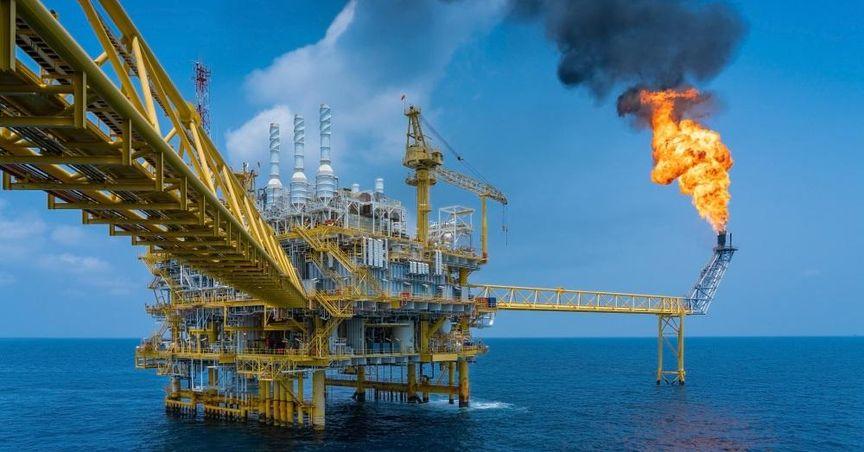
The company operates crude oil fields, natural gas assets, liquefied natural gas facilities, pipelines, refineries, and fuel marketing networks across North America, South America, Africa, Australia, Asia, Europe, and the Middle East. This broad operational footprint enables participation in regional and international energy markets.
In addition to conventional hydrocarbons, activities also include renewable fuels, hydrogen initiatives, carbon management technologies, and lower-emission energy projects.
Permian Basin and Upstream Activities
The Permian Basin remains one of the world's most productive oil-producing regions and represents an important part of the company's upstream operations. Modern drilling techniques, advanced seismic imaging, and horizontal well development continue supporting production across this region.
Beyond the United States, exploration and production activities extend across offshore and onshore assets in multiple countries. Production includes crude oil, natural gas, and liquefied natural gas supplied to industrial customers, utilities, manufacturers, and transportation markets.
Exploration programmes continue to evaluate additional resources while maintaining existing producing fields and associated infrastructure.
Refining and Fuel Distribution
Downstream operations convert crude oil into transportation fuels, lubricants, petrochemical feedstocks, aviation fuel, diesel, and other refined products. Refineries operate alongside distribution terminals and retail fuel networks that deliver products across domestic and international markets.
Petrochemical operations manufacture raw materials used in plastics, packaging, construction products, industrial equipment, and consumer goods. These activities support industries extending well beyond transportation.
Transportation infrastructure, including pipelines and marine shipping, connects production facilities with refineries and end markets across several continents.
Energy Transition Activities
The global energy industry continues expanding beyond traditional hydrocarbon production through lower-carbon technologies and efficiency improvements. Hydrogen, renewable fuels, carbon capture, renewable natural gas, and advanced biofuels represent areas receiving continued industry attention.
Development within these segments complements existing energy operations while supporting evolving energy requirements across transportation and industrial applications.
Large integrated energy companies continue participating in research, engineering, and infrastructure projects designed to support multiple energy sources.
Industry Trends
Worldwide energy demand remains closely linked to manufacturing, transportation, aviation, shipping, construction, and digital infrastructure. Expanding industrial activity and population growth continue supporting long-term demand for crude oil, natural gas, and refined petroleum products.
Liquefied natural gas has become increasingly important for electricity generation and industrial operations, while petrochemical products remain essential across manufacturing industries.
Within the S&P 500, integrated energy companies continue representing an important segment of the broader industrial and commodity landscape due to their global production and refining capabilities.
Global Asset Portfolio
Operations span producing fields, offshore platforms, processing plants, refineries, export terminals, pipelines, and storage facilities across numerous countries. Managing this extensive infrastructure requires advanced engineering, environmental monitoring, logistics coordination, and maintenance programmes.
International diversification enables participation across different energy markets while supporting supply chains serving industrial, commercial, and transportation customers.
The combination of upstream production, downstream processing, and chemicals manufacturing reflects the scale associated with major integrated energy companies.
Technology and Operational Efficiency
Digital technologies continue supporting energy exploration, drilling efficiency, predictive maintenance, reservoir modelling, and production monitoring. Automation and advanced data systems contribute to equipment reliability and operational performance across production facilities.
Engineering improvements also support enhanced recovery methods, emissions management, and safer operations throughout the energy value chain.
Innovation within refining processes, drilling equipment, and facility monitoring continues shaping operational development across the sector.
Business Position Within Global Energy
Chevron (NYSE:CVX) remains among the established participants in international energy markets through its diversified operations, extensive asset base, and participation across exploration, refining, chemicals, and fuel distribution. Activity across the S&P 500 continues reflecting the importance of integrated energy companies in supplying fuels, industrial materials, and essential energy products to economies worldwide.
