
 AUS
AUS
 NZ
NZ
 UK
UK
 CA
CA
 USA
USA
 IND
IND






Highlights
- Aluminium demand and smelter activity remain key business drivers.
- Operational expansion continues across mining, refining, and smelting assets.
- S&P 500 context reflects broader materials sector developments.
The materials sector remains closely connected to industrial manufacturing, transportation, construction, packaging, and renewable energy supply chains. Alcoa (NYSE:AA) operates as a global aluminium producer with activities spanning bauxite mining, alumina refining, aluminium smelting, casting, recycling, and engineered products. Within the S&P 500, aluminium producers remain influenced by industrial demand, production capacity, raw material availability, and international trade conditions. The company maintains operations across North America, South America, Europe, Australia, and other international locations, supplying aluminium products to numerous manufacturing industries.
Aluminium Production Across the Value Chain
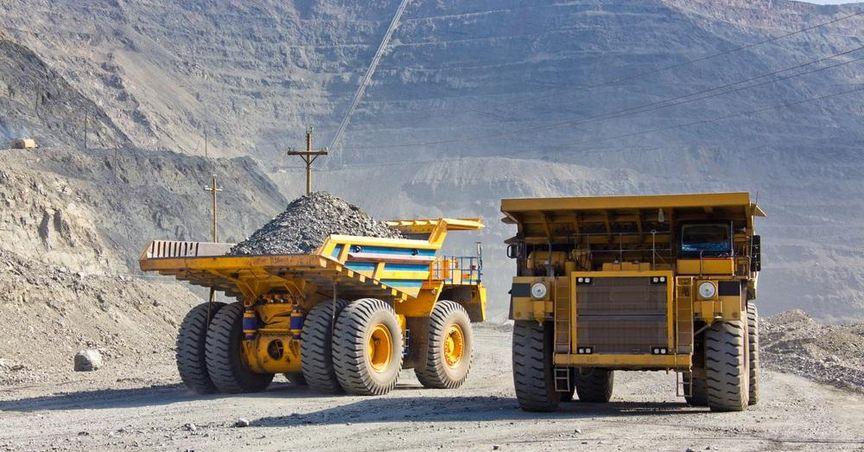
Operations extend across nearly every stage of aluminium production. Bauxite extraction supplies refineries that convert ore into alumina, which then serves as the primary material for aluminium smelting facilities. Finished aluminium products include primary metal, billets, slabs, foundry alloys, and rolled products serving automotive manufacturing, aerospace applications, construction materials, electrical transmission, packaging, and industrial equipment.
The integrated production structure allows coordination between mining operations, refining facilities, smelters, and recycling activities while supporting supply continuity across multiple geographic regions.
Recent Operational Developments
During recent quarters, attention has remained focused on production activity, smelter utilization, refinery performance, and operational efficiency. Restarted smelting capacity has expanded aluminium output following earlier production adjustments at selected facilities.
Mining operations continue supplying raw materials for refining activity, while refinery modernization projects support processing capability. Recycling initiatives also contribute secondary aluminium production as manufacturers increasingly incorporate recycled metal into industrial applications.
Production planning remains influenced by electricity availability, raw material sourcing, logistics infrastructure, and customer requirements across global markets.
Industrial Demand Across Multiple End Markets
Aluminium remains widely used because of its lightweight properties, corrosion resistance, conductivity, and recyclability. Transportation manufacturers utilize aluminium in passenger vehicles, commercial trucks, rail systems, marine equipment, and aircraft components.
Construction projects require aluminium products for building facades, windows, structural components, roofing systems, and electrical installations. Packaging manufacturers use aluminium for beverage containers, food packaging, and specialty applications.
Renewable energy infrastructure also continues incorporating aluminium into solar installations, electrical transmission systems, and power distribution equipment.
Within the broader materials segment represented in the S&P 500, aluminium demand remains linked to manufacturing activity across numerous industrial categories.
Global Geographic Presence
Operations extend across several continents through mines, refineries, smelters, casthouses, and distribution facilities. Bauxite resources support long-term raw material availability, while refining assets process alumina for both internal consumption and external customers.
Smelting facilities produce primary aluminium for regional manufacturing industries, while downstream operations convert metal into customer-specific products. Export activity also connects production sites with international markets through established logistics networks.
Environmental improvement initiatives include refinery upgrades, emissions reduction projects, recycling programs, and operational efficiency measures across production facilities.
Position Within the Materials Industry
The aluminium industry forms an important component of global manufacturing supply chains. Producers compete through production capacity, operational efficiency, resource access, product quality, processing capability, and geographic diversification.
Raw material availability, electricity infrastructure, transportation systems, and industrial demand remain important operational considerations throughout the aluminium production cycle.
The materials segment includes producers of aluminium, copper, steel, specialty metals, industrial minerals, and construction materials, each supporting manufacturing activity across numerous industries.
Sector Trends Influencing Aluminium Production
Global infrastructure activity, transportation manufacturing, renewable energy deployment, and packaging requirements continue supporting aluminium consumption across multiple regions.
Recycling activity has expanded alongside primary production, reflecting broader industry emphasis on material recovery and circular manufacturing processes. Technological improvements within refining and smelting facilities also continue enhancing operational performance.
Alcoa (NYSE:AA) remains active across mining, refining, smelting, recycling, and fabricated aluminium production while supplying manufacturers throughout international industrial markets. Within the S&P 500, the materials sector continues reflecting developments in industrial production, infrastructure activity, manufacturing demand, and global supply chain operations.
