
 AUS
AUS
 NZ
NZ
 UK
UK
 CA
CA
 USA
USA
 IND
IND





Highlights
- Producers gain the clearest boost.
- Refiners face margin pressure.
- Pipelines offer steadier exposure.
Oil volatility is splitting energy stocks as producers gain direct support, refiners face margin pressure, pipelines stay steadier and services companies wait for stronger drilling signals.
Energy stocks are back in focus as crude prices react to Middle East tension, but the rally is not lifting every part of the sector equally. Occidental Petroleum (NYSE:OXY), a major American oil and gas producer with strong shale exposure, is among the companies drawing attention as the energy complex reshuffles around changing crude economics. Several major energy names also sit within the S&P 500, giving the sector greater visibility when oil shocks ripple through broader markets.
Energy Rally Splits Apart
The energy sector often looks simple from the outside. Crude rises, energy shares rise, and the story appears straightforward. In reality, the sector is a chain of very different business models.
Producers, refiners, pipeline operators and oilfield services companies do not respond to crude price changes in the same way. A higher oil price can support one group while creating pressure for another. That is why the current rally has created sharp separation across the sector.
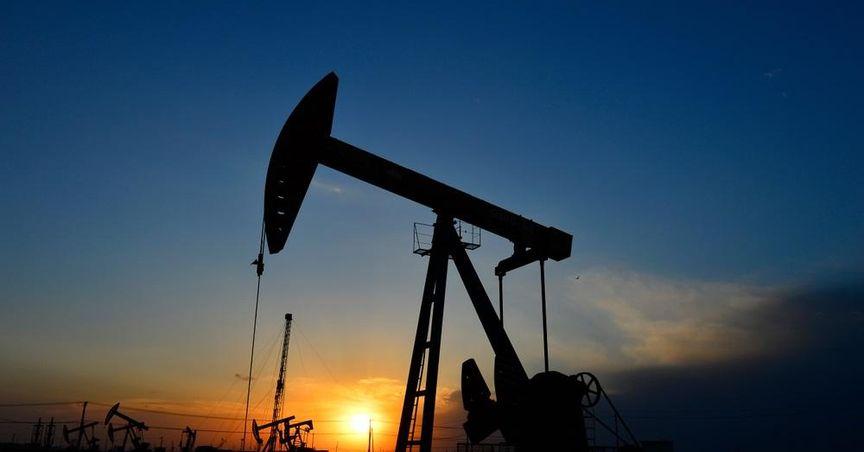
The latest crude spike has placed upstream producers near the centre of attention. These companies extract oil and gas, making them the most direct beneficiaries when crude prices strengthen. Their operating costs may not change immediately, while realized prices can improve quickly.
Refiners sit in a more complicated position. They need crude as their primary input, so a fast increase in oil prices can pressure margins unless fuel prices adjust at the same pace.
Pipeline and storage companies often look steadier because their business models are tied more closely to volumes and contracts than spot prices. Oilfield services companies may benefit later, but only if producers respond by increasing drilling activity.
Producers Gain Directly
Devon Energy (NYSE:DVN), an independent oil and gas producer with major shale operations, represents the kind of business that can respond strongly to a firmer crude backdrop. When oil prices rise, producers often see a more immediate effect than other energy groups.
Diamondback Energy (NASDAQ:FANG), a Permian Basin-focused oil and gas producer, also fits this direct-exposure profile. Its operations are tied closely to American shale output, making crude price moves especially important to its market narrative.
Upstream producers benefit because their core product becomes more valuable. Their costs do not always rise as quickly as market prices, which can strengthen cash generation during a sudden crude rally.
However, producer discipline remains important. The industry has spent recent years emphasizing capital control rather than aggressive expansion. Even when crude prices rise, many producers may prefer to protect balance sheets, fund dividends or maintain measured drilling plans.
That restraint is part of what makes the current setup interesting. Higher oil prices can improve near-term economics, but the broader impact depends on whether companies increase activity or maintain discipline.
Refiners Face Pressure
Refiners occupy a very different place in the energy chain. These companies turn crude into gasoline, diesel, jet fuel and other refined products. When crude rises sharply, their input cost rises as well.
Marathon Petroleum (NYSE:MPC), a large American refining and midstream company, is exposed to this margin dynamic. Its performance depends not only on crude prices but also on the spread between crude costs and refined product values.
Valero Energy (NYSE:VLO), a major independent refiner with broad refining operations, faces similar considerations. If product prices lag behind crude, margins can narrow. If fuel markets tighten enough, refiners can later regain pricing support.
PBF Energy (NYSE:PBF), an independent petroleum refiner, is also part of this more complex refining picture. Refiners can benefit from strong demand and constrained fuel supply, but sudden crude spikes can create short-term pressure.
Demand is a key variable. If higher pump prices discourage fuel use, refiners can face weaker volumes just as feedstock costs climb. That makes the refining group more sensitive to timing, demand trends and product market conditions.
Pipelines Stay Steadier
Midstream operators often provide a steadier form of energy exposure. These companies move, process and store oil, natural gas and related products. Their economics are usually tied to contracts, volumes and infrastructure demand.
Enterprise Products Partners (NYSE:EPD), a major midstream energy partnership, operates pipelines, storage assets and processing infrastructure. Its business model is less directly tied to daily crude price swings than upstream production.
Energy Transfer (NYSE:ET), a large pipeline and energy infrastructure operator, also benefits from broad transportation and storage networks. Fee-based operations can provide more stability when commodity prices move sharply.
Kinder Morgan (NYSE:KMI), a North American energy infrastructure company, remains another key midstream name. Its pipeline network gives it exposure to energy movement rather than pure commodity pricing.
Midstream companies can still face risks. Lower production volumes, regulatory hurdles, financing costs and project delays can affect performance. However, during volatile crude markets, their contract-driven structure can look more stable than businesses tied directly to price swings.
The energy stock segment is therefore not a single trade. It includes businesses with very different revenue drivers, cost structures and risk profiles.
Services Await Activity
Oilfield services companies often need a second step before they benefit from higher crude prices. They do not gain simply because oil rises. They need producers to increase drilling, completions, offshore work or equipment spending.
SLB (NYSE:SLB), a global oilfield services company, provides technology and services to energy producers around the world. Its outlook depends heavily on producer activity and long-cycle project development.
Halliburton (NYSE:HAL), a major oilfield services company with strong North American exposure, is tied closely to drilling and completion trends. Higher crude prices can support demand, but only when producers commit more capital to field activity.
Baker Hughes (NASDAQ:BKR), an energy technology and services company, has exposure to oilfield services, equipment and broader energy technology markets. Its international and liquefied natural gas exposure can provide additional business drivers.
The services group can eventually catch up during a sustained oil rally. If producers raise activity budgets, service providers may see improving demand. Until that signal appears, the group remains more dependent on expectations than immediate crude-price translation.
Integrated Models Differ
Large integrated energy companies often sit between these groups. They produce oil and gas, but they may also refine, market and process energy products. This creates more balanced exposure across the cycle.
When crude rises, upstream divisions can benefit. At the same time, refining or chemicals units may face pressure from higher feedstock costs. That blend can make integrated companies steadier, but sometimes less responsive than pure producers during the early phase of a crude rally.
This difference explains why smaller or more focused producers can outperform integrated models during certain oil shocks. Their exposure is cleaner, even though their volatility may be higher.
The current environment is rewarding precision. Market attention is shifting toward which companies benefit directly, which face delayed effects and which may experience margin friction.
Macro Pressure Builds
The broader market impact of an oil & gas stock shock can be complicated. Higher crude prices can support energy producers but also revive inflation concerns. If energy costs push inflation expectations higher, rate fears may return quickly.
That can create a difficult backdrop for equity markets. Energy may rise while other sectors weaken. Higher yields can pressure valuations, borrowing costs and consumer sentiment.
This is why the current energy rally is not purely positive. It reflects geopolitical risk, inflation concerns and uncertainty around future policy direction. The same forces lifting crude can also weigh on broader market confidence.
For energy companies, the macro environment matters because demand can soften if fuel costs stay elevated for too long. Producers may benefit from stronger prices, but a weaker economy can eventually reduce consumption.
Dispersion Defines Sector
The key theme is dispersion. Upstream producers have the clearest link to crude strength. Refiners face margin uncertainty. Midstream operators offer steadier fee-based exposure. Services companies need evidence that higher prices will translate into stronger field activity.
That internal split matters more than the headline energy rally itself. Treating the entire sector as one uniform group can miss the real differences between business models.
Occidental, Devon and Diamondback are tied more directly to crude production. Marathon Petroleum, Valero and PBF Energy depend on refining margins. Enterprise Products Partners, Energy Transfer and Kinder Morgan rely more on infrastructure volumes. SLB, Halliburton and Baker Hughes need activity signals from producers.
