
 AUS
AUS
 NZ
NZ
 UK
UK
 CA
CA
 USA
USA
 IND
IND




_06_19_2026_12_34_15_139937.jpg)

Summary
- Most of the nation to be under two toughest level measures when the lockdown ends
- MPs to vote for the regulations on Monday, 70 Tories may refuse to back the PM
It has emerged that almost 99 per cent of England’s population would fall under the toughest coronavirus restrictions as the lockdown ends in a few days. Senior conservative members have asked the government for an analysis of the impact of these tight rules on the infection rate, livelihoods of people, and businesses.
Around 32 million people or 57 per cent of England’s population would be facing tier-2 restrictions. Moreover, 23 million Brits or 41.5 per cent of England’s population would be placed under the tier-3 set of restrictions beginning December 2. These 55 million people will continue to be banned from mixing indoors with other households.
The only areas with tier-1 or the lowest level of curbs will apply are going to be Cornwall, the Isle of Wight, and the Isles of Scilly.
A majority of places are being put under the tier two set of rules including Liverpool city and London. England’s capital was earlier also in the tier-2 list before the current lockdown was imposed.
Tier-3, the strictest rules, shall be applicable to the North East, the North West, and the Midlands, apart from other areas. Households would be prohibited from mixing indoors. Hospitality venues shall remain open only for takeaways or home deliveries.
There will be a total of 119 areas which would be following the tier-3 set of rules from next week. But the MPs have pointed out that only 8 areas out of these have reported a rise in the Covid-19 cases. Sir Graham Brady, chairman, the 1922 Committee of Conservative MPs said that by placing such a large part of the nation into these tough rules, even at places where the infection rate is getting low, government has in effect given itself a harder job to do.
A cabinet minister indicated that the government needed to win over the rebel MPs. We have to speak to and convince our colleagues, remarked Robert Jenrick, Secretary, Housing, Communities and Local Government. He emphasised that the government had to undertake these measures with a heavy heart only. But it did feel that a strong tiered approach would ensure a localised and proportionate way forward, Jenrick added.
Sir Roger Gale, MP, Kent constituency, North Thanet criticised the government’s decision and said that he feared people living in high restriction areas would ‘skip over their boundary’ to reach a pub in nearby a Tier 2 area.
MPs will vote for the proposed regulations on the coming Monday. If media reports are to be believed, around 70 MPs could rebel against Boris Johnson.
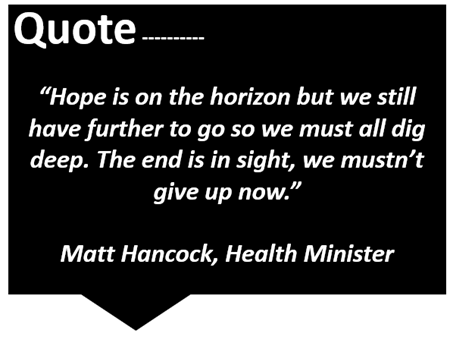
The health secretary clarified that these were not easy decisions and were made based on the best available clinical advise. Based on the past experience, the tier-3 rules could effectively lower the infection rate from a higher peak.
In the meantime, Sir Patrick Vallance, the chief scientific adviser cautioned that a very high number of people, almost one in 85, currently had a coronavirus infection in England.
The daily reported cases were 14,637 across England on 26 November. It was down from a high of 20,291 a week back on 19 November. Britain had Europe’s highest death toll from the coronavirus disease and had also been hit by a second wave.
Also Read: Covid Christmas rules: how will they impact British hospitality and retail?
