
 AUS
AUS
 NZ
NZ
 UK
UK
 CA
CA
 USA
USA
 IND
IND


Highlights
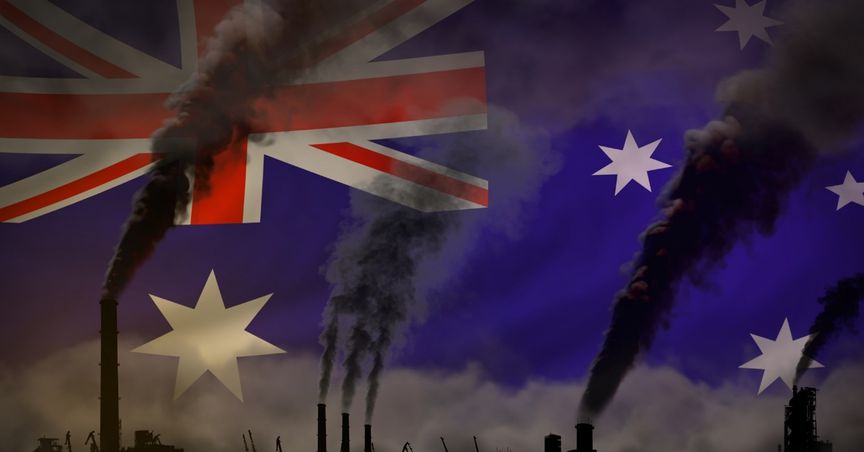
- The approval of a new gas power station has been described as a betrayal of the Federal Government’s commitment to have zero carbon gas emissions by 2050
- Gas is considered an important alternative to coal and oil as it produces much lower CO2 emissions than other fossil fuels
- The Morrison government argues the plant’s construction is necessary to keep power prices down once the 2000-megawatt Liddell coal-fired power station closes in 2023
The Australian Federal Government is under scrutiny this week after the NSW State Government, yesterday, approved the construction of a AU$600m gas-fired power station in NSW’s Hunter region.
The move has caused plenty of opposition from critics who say the power station is a waste a tax payer’s money and a betrayal of the Federal Government’s commitment to have zero carbon gas emissions by 2050.
The question is: why does the Morrison government seem to think Australia needs this plant? More importantly, will the running of the plant undermine the nation’s attempts to slow down its use of fossil fuels?
Let’s dive in.
What Is a Gas-Fired Power Station?
As the name would suggest, a gas-fired power station is a power plant which burns natural gas to produce electricity.
When we’re talking about natural gas, we’re talking about a colourless, odourless, flammable gas containing approximately 90 percent methane.
On a global scale, natural gas accounts for around 21 percent of energy consumption. Coal and oil are still, by far, the most used fossil fuels burned for electricity, accounting for over 60 percent of all the world’s energy consumption. In Australia, coal and oil account for nearly 75 percent of energy consumption.
Gas is considered an important alternative to coal and oil as it produces much lower CO2 emissions than other fossil fuels.
However, natural gas is not renewable, highly flammable and although it produces less omissions than coal and oil, it still produces omissions. Source
This spring, gas power stations in NSW produced its lowest level of power this century, providing just 1.3 per cent of the state’s power.
The Government’s Position
Recently, the NSW government’s Minister for Planning Rob Stokes approved the construction of the 660-megawatt open cycle gas turbine at Kurri Kurri in the Hunter Valley.
A spokesman for the planning department said the project will improve energy reliability and security in the National Energy Market as it moves away from coal-fired power generation.
Furthermore, the plant, which will be up and running mid 2023, will only run one hour in every fifty on average. Despite this, the state governments still predicts the plant will inject AU$600 million into the NSW economy and will create around 250 new jobs.
The Morrison government argues the plant’s construction is necessary to keep power prices down once the 2000-megawatt Liddell coal-fired power station closes in 2023.
What do the critics say?
Climate Council Senior Researcher, Tim Baxter, didn’t mince words, saying the government had forced an entire gas-fired power station into every Australian’s Christmas stocking.
Baxter added the plant’s approval is a “dismal” move in a time when the world is focussed on getting their CO2 emissions down to zero. Moreover, he said the government should be cashing in on the clean job and economic opportunities of a net zero future.
Meanwhile, Nic Clyde, a spokesperson for the Lock the Gate Alliance, called the project a waste of taxpayer’s money and a power station that Australia doesn’t need.
Furthermore, the Gas Free Hunter Alliance said the construction approval shows disregard for Hunter residents who’ve been opposed to the project for quite some time.
The Verdict
The ultimate goal is a move to solar and wind powered energy by 2050. While this move isn’t a hard turn in that direction, it’s not a hard turn in the direction of the more harmful coal and oil energy sources either.
