
 AUS
AUS
 NZ
NZ
 UK
UK
 CA
CA
 USA
USA
 IND
IND






Highlights
- The energy sector anticipates significant growth in oil and natural gas drilling activity in Canada.
- Key drivers include the Trans Mountain pipeline expansion and LNG Canada's upcoming startup.
- Employment in the energy sector is projected to grow alongside increased drilling activity.
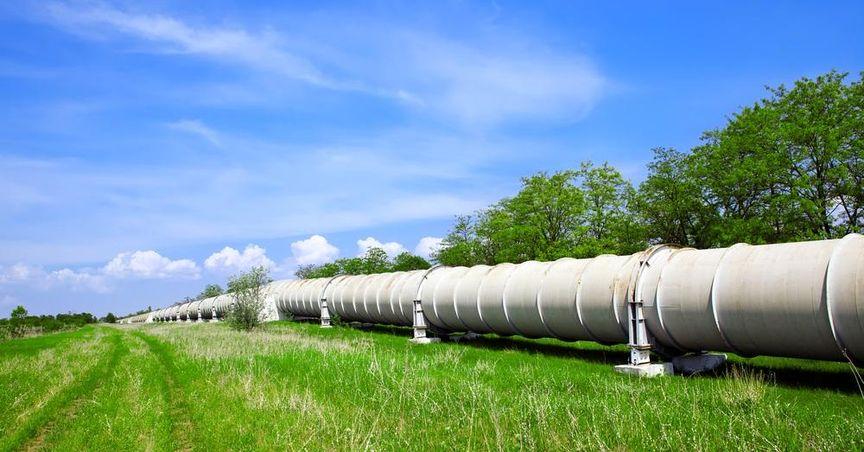
The oil and natural gas sector in Canada is preparing for a significant boost in activity, supported by expanding infrastructure and export opportunities. The completion of the Trans Mountain pipeline expansion has enhanced export capacity, which is anticipated to support an increase in drilling and production activities across Western Canada. This development is expected to positively impact the energy landscape, enabling higher resource output and access to global markets.
Infrastructure Advancements Driving Growth
Canada’s first major liquefied natural gas export facility, LNG Canada, is scheduled to begin operations soon. This development is anticipated to encourage more natural gas drilling, as producers align operations with rising demand for liquefied natural gas exports. With enhanced infrastructure now available, the energy sector is expected to remain a key driver for the Canadian economy, especially in Western provinces where drilling activity is concentrated.
Employment and Competitiveness in Focus
The energy sector's growth is expected to translate into more employment opportunities within the industry. Increased drilling activity is projected to support job creation, particularly in roles directly linked to exploration and rig services. However, maintaining competitiveness remains a priority as international players, including the United States, continue expanding their energy sectors. Collaboration and innovation will be crucial to ensuring Canada’s energy sector remains resilient and adaptable to global trends.
