
 AUS
AUS
 NZ
NZ
 UK
UK
 CA
CA
 USA
USA
 IND
IND

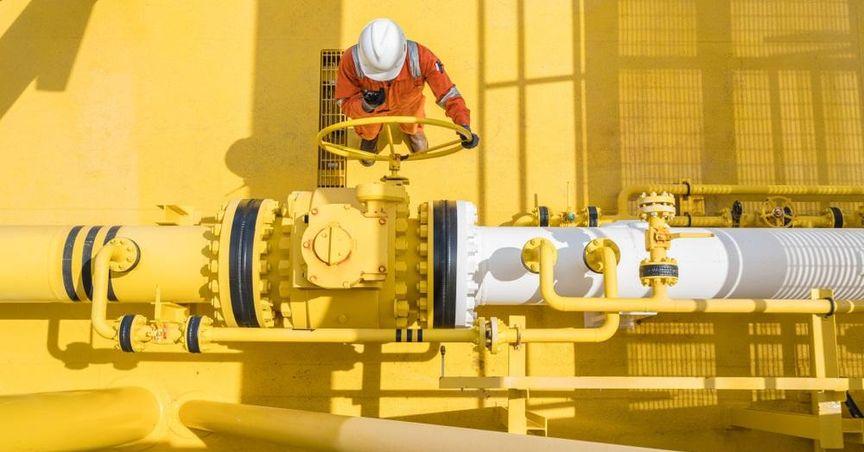





Highlights
- Producers offer direct exposure to changing energy markets.
- Pipelines generate steadier revenue through contracted operations.
- Combining both can balance growth and income goals.
Canadian energy exposure can come through producers or pipelines. While producers benefit from commodity market trends, pipeline operators provide infrastructure-backed revenue streams, creating two distinct approaches within Canada's energy sector.
Canada's energy sector remains a cornerstone of the domestic market, offering multiple ways to gain exposure to oil and gas. Among the most common approaches is choosing between energy producers and pipeline operators, two business models that can deliver very different outcomes. Companies such as Canadian Natural Resources (TSX:CNQ), Cenovus Energy (TSX:CVE), Suncor Energy (TSX:SU), Enbridge (TSX:ENB), and TC Energy (TSX:TRP) represent some of the most recognizable names within Canadian energy. As interest in TSX Energy Stocks continues to grow alongside developments in the S&P/TSX Composite Index, understanding the distinction between producers and pipelines has become increasingly important.
Understanding The Two Energy Models
Although both producers and pipelines operate within the same sector, their business models differ significantly.
Energy producers focus on exploring, developing and extracting oil and natural gas resources. Their financial performance is closely linked to commodity prices because revenues depend on the value of energy sold in the marketplace.
Pipeline operators, on the other hand, transport oil and natural gas across extensive infrastructure networks. Their revenues are often generated through long-term contracts and transportation agreements, making cash flow patterns more predictable.
This distinction creates different opportunities and risks for market participants seeking exposure to Canada's energy sector.
Why Producers Attract Attention?
Energy producers are often viewed as direct beneficiaries of favourable commodity market conditions. When crude oil or natural gas prices strengthen, producers can experience enhanced profitability because production costs generally do not fluctuate at the same pace as commodity prices.
Canadian Natural Resources (TSX:CNQ) is one of Canada's largest independent energy producers, with operations spanning conventional oil, natural gas and oil sands assets. Cenovus Energy (TSX:CVE) operates an integrated energy model that combines upstream production with downstream refining activities. Suncor Energy (TSX:SU) maintains a diversified energy platform focused on oil sands development, refining and marketing operations.
These businesses provide direct exposure to commodity cycles, making them attractive for those seeking participation in broader energy market trends.
Commodity Prices Shape Producer Performance
The primary advantage of producers is their sensitivity to commodity pricing. Strong energy markets can significantly enhance cash generation, operational flexibility and shareholder returns.
However, this same characteristic can create challenges during weaker commodity environments. Because revenues depend heavily on market prices, earnings and cash flows may fluctuate alongside changing energy market conditions.
As a result, producer performance often reflects broader trends across global oil and natural gas markets. While operational efficiency and production growth remain important, commodity pricing continues to be a major influence on financial results.
This cyclical nature makes producers a distinct segment within the Canadian energy landscape.
How Pipeline Companies Generate Revenue?
Pipeline operators play a different role within the energy value chain. Rather than extracting resources, they focus on transporting oil and natural gas from production areas to refining centres, export terminals and end users.
Enbridge (TSX:ENB) operates one of North America's largest energy infrastructure networks, including crude oil pipelines, natural gas transmission systems and utility operations. TC Energy (TSX:TRP) manages extensive natural gas and liquids transportation assets throughout North America.
The key advantage of pipeline businesses lies in their revenue structure. Much of their income is generated through contractual agreements based on transportation capacity rather than commodity prices.
This structure often creates greater visibility and stability compared to energy producers.
The Appeal Of Energy Infrastructure
Pipeline companies are frequently associated with dependable cash flow generation because their business models are supported by long-term customer agreements.
Energy infrastructure remains essential regardless of short-term commodity price movements, as oil and natural gas still require transportation to reach end markets. This operational necessity provides an important foundation for pipeline revenues.
The sector's infrastructure focus also connects closely with broader themes across TSX Infrastructure and Real Estate, where long-life assets continue supporting recurring revenue streams.
For those prioritizing stability within the energy sector, pipelines often represent a different risk-return profile than traditional producers.
Different Risks Across The Sector
While both business models operate within energy, the risks associated with each can vary considerably.
For producers, commodity price volatility remains the most significant factor. Changes in oil and natural gas pricing can influence revenues, earnings and overall market sentiment.
Pipeline operators face different considerations. Regulatory approvals, infrastructure development timelines, environmental oversight and financing requirements often play important roles in business performance.
Interest rate environments can also affect infrastructure-focused companies because large-scale projects frequently require significant capital investment.
These differing risk factors mean producers and pipelines may respond differently to the same economic conditions.
Why Some Investors Prefer Producers?
Those seeking stronger exposure to energy market trends often gravitate toward producers because their performance is closely linked to commodity cycles.
Periods of strong demand, constrained supply or supportive market fundamentals can create favourable conditions for upstream energy companies. Producers can also benefit from operational improvements, production growth initiatives and strategic asset optimization.
Because of their direct connection to commodity markets, producers are often viewed as a way to participate in broader energy sector momentum.
Their business models offer exposure to the underlying value of natural resources rather than the infrastructure used to transport them.
Why Pipelines Appeal To Income-Focused Strategies?
Pipeline operators are frequently associated with income generation because of their recurring cash flow characteristics.
Long-term transportation agreements can provide greater earnings visibility, helping support capital allocation strategies and infrastructure expansion plans. This stability often makes pipeline companies attractive within diversified portfolios seeking exposure to essential energy infrastructure.
Their operational focus also allows them to benefit from growing energy demand without relying directly on commodity price appreciation.
As a result, pipelines often occupy a different role than producers within broader energy allocations.
Can Both Approaches Work Together?
For many market participants, the choice between producers and pipelines is not necessarily an either-or decision.
Combining both business models can create exposure to multiple drivers within the energy sector. Producers provide direct participation in commodity market developments, while pipelines contribute infrastructure-related stability.
This combination can diversify energy exposure by reducing dependence on a single business model.
The balance between producers and pipelines will vary depending on individual objectives, risk tolerance and desired exposure to commodity markets versus infrastructure operations.
