
 AUS
AUS
 NZ
NZ
 UK
UK
 CA
CA
 USA
USA
 IND
IND






Highlights
- OceanaGold operates gold and copper mines in the U.S., Philippines, and New Zealand.
- Operations focus on safety, compliance, and structured workflows.
- Practices align with TSX SmallCap Index and S&P/TSX Composite Index.
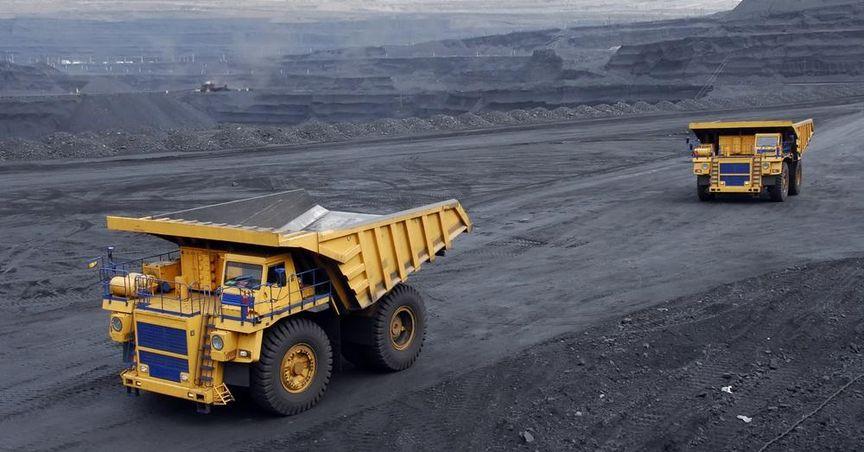
OceanaGold Corporation (TSX:OGC) operates through a portfolio of mines, including the Haile Gold Mine in the United States, the Didipio Mine in the Philippines, and the Macraes and Waihi operations in New Zealand. Operational frameworks are designed to ensure uniformity in safety, environmental compliance, and production processes across all sites. Coordination between headquarters and regional management teams supports the implementation of standardized procedures, maintenance schedules, and resource allocation. These measures reflect practices observed in TSX Smallcap Index-listed companies, where multi-regional operations require structured execution and monitoring to maintain consistency.
Mines are managed with clearly defined operational protocols, which include production monitoring, workflow coordination, and site-specific planning. Systems are in place to ensure that all processes meet corporate standards, while local teams adhere to regulatory requirements in each jurisdiction. Structured communication channels allow the exchange of operational data, enhancing transparency and alignment across sites.
What Governance and Compliance Structures Are Implemented?
Corporate governance at OceanaGold emphasizes accountability, regulatory compliance, and structured oversight. Management committees are responsible for monitoring operational performance, adherence to safety and environmental policies, and alignment with corporate objectives. Governance frameworks ensure that decision-making processes connect corporate planning with operational execution at individual mines. These governance practices are comparable to strategies applied by TSX Completion Index companies, where oversight structures coordinate corporate and operational priorities while maintaining compliance across diverse operations.
Internal policies define standards for reporting, regulatory adherence, and operational audits. Governance committees review compliance metrics regularly, ensuring that all activities meet corporate expectations. Coordination between administrative offices and operational teams maintains consistency in performance tracking and procedural enforcement.
How Are Environmental and Safety Practices Maintained?
OceanaGold implements structured environmental and safety protocols to ensure that mining operations meet legal requirements and corporate standards. Safety procedures include risk assessments, monitoring programs, and emergency response planning across all facilities. Environmental management involves monitoring emissions, waste handling, and reclamation practices to minimize ecological impact. Companies included in the TSX Small Cap ETF often apply similar structured approaches, where systematic implementation of environmental and safety standards is central to operational reliability and corporate accountability.
Safety and environmental management teams collaborate with operational units to enforce standards consistently. Regular inspections, training programs, and internal reporting systems ensure that site-specific and corporate-level policies are followed. Standardized procedures reduce the risk of non-compliance and support continuous operational stability.
How Is Production and Resource Allocation Coordinated?
OceanaGold monitors production across all mines through centralized planning and operational dashboards. Resource allocation involves equipment management, labor scheduling, and material handling to support efficient extraction and processing. Operational metrics are reviewed to maintain consistency in output, operational timelines, and maintenance schedules. Structured workflows reflect the methodologies implemented in S&P/TSX Composite Index-listed companies, where resource management and operational coordination ensure effective execution across complex operations.
Coordination between mine sites allows for flexible resource deployment, ensuring that production demands are met while maintaining efficiency. Centralized planning facilitates uniform monitoring of extraction volumes, equipment usage, and workforce performance. Procedures for maintenance, equipment replacement, and material distribution are standardized to maintain operational continuity across all sites.
How Are Technology and Operational Systems Integrated?
Technology plays a central role in supporting OceanaGold’s operational efficiency. Automated monitoring systems track machinery performance, production levels, and maintenance schedules. Digital platforms allow centralized tracking of operational data, facilitating timely decision-making without reliance on subjective judgments. These practices are consistent with strategies observed in S&P Composite Index companies, where technology underpins scalable operations, consistent monitoring, and workflow optimization.
Operational systems integrate data from multiple sites, supporting maintenance planning, resource allocation, and process standardization. Software solutions for production tracking and reporting enhance coordination between regional teams and corporate headquarters. Workflow optimization tools support reliability in mining and processing operations while maintaining safety and compliance standards.
How Are Financial and Administrative Operations Structured?
Financial and administrative functions at OceanaGold are designed to ensure alignment with operational activities. Budgeting, cost management, and reporting protocols are integrated with operational workflows to maintain transparency and accountability. Administrative procedures standardize internal communications, compliance monitoring, and performance tracking. TSX Composite Index companies often implement similar frameworks, emphasizing structured management of financial and administrative operations alongside operational execution.
Internal audits, reporting channels, and compliance mechanisms allow management to track expenditure, resource utilization, and operational alignment. Coordination between financial teams and mine operations supports standardized procedures for cost monitoring and operational reporting. Structured administrative practices reinforce operational consistency across all mining sites.
How Are Supply Chains and Logistics Managed?
OceanaGold’s supply chain operations encompass procurement, transportation, and distribution of materials and equipment to all mine locations. Centralized planning ensures timely delivery, inventory monitoring, and maintenance of operational standards across regions. Structured logistics systems mirror the approaches observed in TSX Completion Index companies, where effective supply chain management is critical to operational continuity and efficiency.
Coordination between procurement teams, transportation partners, and regional management supports smooth movement of materials, adherence to operational schedules, and resource optimization. Systems for monitoring stock levels, equipment availability, and delivery timelines ensure that operations remain uninterrupted and aligned with corporate objectives.
How Are Strategic Partnerships and Industry Collaborations Coordinated?
OceanaGold (TSX:OGC) maintains strategic partnerships with technology providers, equipment suppliers, and operational service companies to support mining activities. Collaboration frameworks, contract alignment, and performance monitoring ensure that external contributions integrate seamlessly with internal operations. Structured coordination reflects methodologies applied in s&p tsx composite companies, where partnerships complement internal processes and reinforce operational reliability.
Regular communication, joint planning sessions, and performance reviews with partners ensure alignment with corporate and operational standards. External partnerships contribute to efficiency in production, logistics, and safety while supporting consistency across all mine sites. Integration of partner activities into operational workflows ensures adherence to established processes and enhances resource management across the portfolio.
