
 AUS
AUS
 NZ
NZ
 UK
UK
 CA
CA
 USA
USA
 IND
IND





Highlights
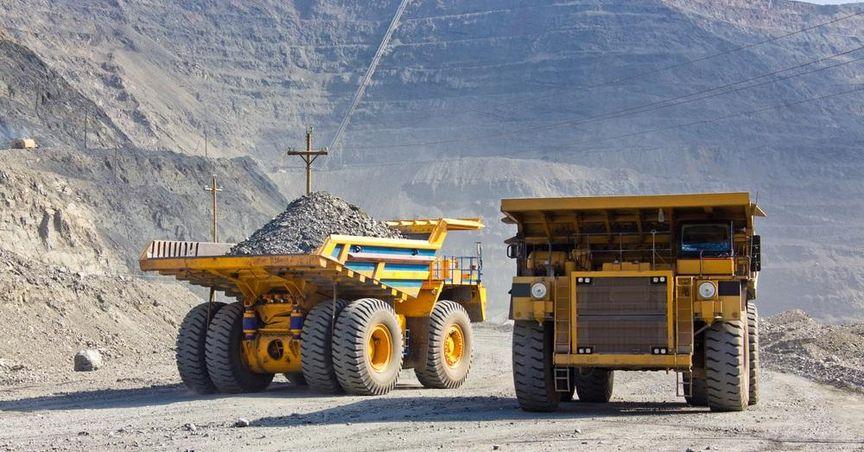
- Copper producer Freeport-McMoRan operates major mining assets across global regions.
- Copper demand connects mining activity with electrification, infrastructure, and industrial development.
- S&P 500 provides broader context for the companys market classification.
Freeport-McMoRan (NYSE:FCX) operates within the materials sector, with a primary focus on copper mining, processing, and related mineral production. The companys operations place it among major global suppliers of copper, a metal widely used in electrical systems, construction, transportation, and industrial equipment. As a large publicly listed company in the United States, the business is included within the broader framework of the S&P 500, reflecting its position among significant companies across multiple industries.
Copper producers remain closely connected with developments across manufacturing, infrastructure expansion, and energy transition activities. The metals role in power networks, electric vehicles, renewable energy systems, and data centres has increased attention around companies involved in its extraction and processing. Freeport-McMoRans business model is built around large-scale mining operations, processing facilities, and long-established mineral resources.
Global mining operations and asset base
The company manages mining activities across North America, South America, and Indonesia. Its portfolio includes copper mines, processing facilities, and associated mineral production operations. Copper represents the central focus of the business, while additional output includes molybdenum and gold produced alongside copper extraction.
A major part of the companys operational footprint is the Grasberg mining complex in Indonesia, one of the worlds largest copper and gold mining regions. The site has transitioned from open-pit extraction toward underground mining methods, including large-scale block-cave operations. This transition involves complex engineering systems designed to access deeper mineral resources and maintain production continuity.
In the Americas, operations include several mining locations supported by concentrators, smelting facilities, and processing infrastructure. These assets provide a connection between mineral extraction and the manufacturing industries that rely on refined copper products.
Copper demand and industrial applications
Copper remains an important industrial material because of its electrical conductivity and durability. The metal is used extensively in power transmission networks, building construction, industrial machinery, telecommunications infrastructure, and transportation systems.
The expansion of renewable energy projects and electricity networks has increased the role of copper within modern infrastructure development. Electric vehicles also require substantial copper content through batteries, wiring systems, charging infrastructure, and electrical components.
Data centre construction has added another area of copper consumption. Modern computing facilities require extensive electrical connections and power management systems, creating additional demand for materials used in energy distribution.
For mining companies, these applications create a connection between commodity production and broader industrial activity. Changes in construction activity, manufacturing output, and infrastructure development can influence the wider environment in which copper producers operate.
Underground mining transition at Grasberg
The underground development at Grasberg represents one of the companys most significant operational projects. Moving from surface mining to underground block-cave techniques allows access to deeper sections of the mineral deposit.
Block-cave mining requires carefully designed underground structures that allow ore to move through controlled systems before reaching processing facilities. The process involves extensive planning, engineering work, and technical management because of the scale and complexity of the operation.
The transition has shaped discussions around the companys production capabilities and the role of major copper assets in global supply. Large mining projects of this scale often require years of preparation, infrastructure development, and operational adjustments.
Beyond Indonesia, the company continues operating established mines across the Americas. These locations contribute copper output through open-pit mining methods, mineral processing, and refining activities.
Position within the materials sector
Mining companies operate within a sector influenced by geological resources, industrial demand, energy requirements, and operational conditions. Copper production differs from many other industries because new mining projects often require long development periods before reaching commercial operations.
Existing large-scale deposits therefore remain important sources of global copper supply. Companies with established mines and processing infrastructure play a significant role in supplying manufacturers, construction firms, and technology-related industries.
Freeport-McMoRans (NYSE:FCX) diversified mineral output includes copper as the primary commodity, with additional exposure to molybdenum and gold production. Molybdenum is used in steel manufacturing and industrial applications, while gold occurs naturally within certain copper deposits.
Market context and S&P 500 connection
The companys presence within the S&P 500 places its activities within the broader landscape of major United States-listed businesses. The index includes companies from numerous industries, including technology, healthcare, financial services, energy, and materials.
Materials companies often reflect developments in global manufacturing and infrastructure activity. Copper producers can be influenced by trends involving industrial production, construction demand, energy systems, and commodity markets.
During periods of changing economic conditions, materials companies are frequently examined alongside other cyclical industries because their operations are connected with physical production and global supply chains. Freeport-McMoRans copper-focused structure makes it closely associated with industrial materials trends.
Industry challenges and operational factors
Copper mining involves several operational considerations, including energy consumption, equipment requirements, environmental management, and geographic complexity. Mining operations require significant infrastructure for extraction, transportation, processing, and refining.
Large mines also operate within different regulatory environments across countries. Managing relationships with local communities, maintaining production systems, and improving operational efficiency remain ongoing aspects of large-scale mining.
The companys international presence provides access to major mineral regions while also requiring coordination across multiple locations. Weather conditions, geological characteristics, and technical requirements can influence mining activities at individual sites.
Technology and mining development
Technology continues to shape the mining sector through automation, data systems, and improved processing methods. Mining companies increasingly use digital tools to monitor equipment performance, improve safety systems, and manage large-scale operations.
At major mining complexes, technology supports geological mapping, production planning, and resource management. These developments have become an important part of maintaining efficient operations across complex mineral projects.
Coppers connection with technology extends beyond mining operations. The metal remains essential for electrical infrastructure supporting digital services, renewable systems, and modern industrial applications.
