
 AUS
AUS
 NZ
NZ
 UK
UK
 CA
CA
 USA
USA
 IND
IND





Highlights
- Copper demand is shaped by electrification, infrastructure expansion and data-centre development.
- Grasberg operations in Indonesia remain a key part of the companys global mining footprint.
- Freeport-McMoRan operates across copper, gold and molybdenum production.
Freeport-McMoRan (NYSE:FCX) operates within the global metals and mining sector, with copper serving as the central part of its business activities. The company manages large-scale mining operations producing copper, gold and molybdenum across multiple regions, including North America, South America and Indonesia. As a constituent of the S&P 500, the company represents a major industrial name within the broader American market, connecting raw material production with sectors such as construction, energy infrastructure, transportation and technology.
Copper remains a key industrial metal due to its electrical conductivity, durability and wide use across modern infrastructure. Demand from power networks, renewable energy systems, electric vehicles and data centres has increased attention on copper producers as global industries continue expanding their reliance on electrical systems.
Global Mining Operations And Asset Base
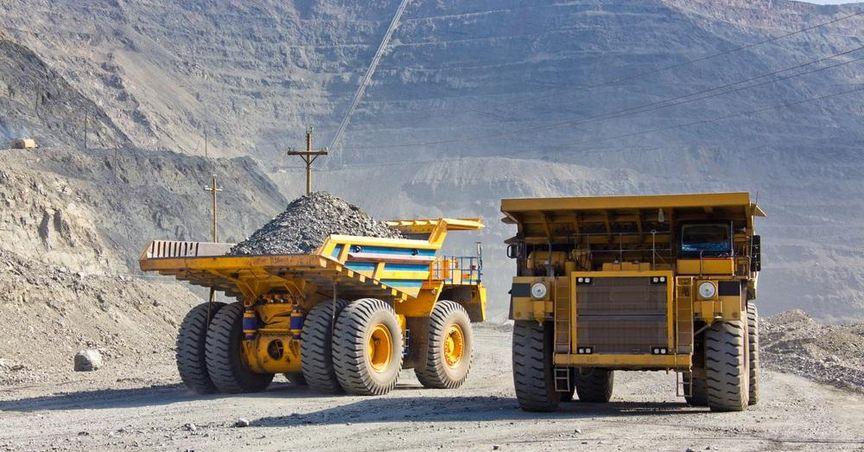
The companys operations include several significant mining assets, with Grasberg in Indonesia standing among the most recognised copper and gold mining complexes globally. The operation includes both open-pit and underground mining activities and represents one of the largest mineral resource locations within the companys portfolio.
Beyond Indonesia, the company operates mining sites in the United States and South America. These locations contribute to copper production capacity while also providing exposure to different geological regions and mining environments. The diversified geographical presence forms an important part of the companys operating structure.
Copper production remains the primary activity, while gold and molybdenum provide additional mineral output. Molybdenum is used in steel production and specialised industrial applications, while gold is produced as a byproduct at certain mining locations.
Coppers Role In Modern Infrastructure
Copper has become an essential material for electricity networks, manufacturing equipment and communication systems. The metal is widely used in power cables, transformers, electric motors and renewable energy installations.
The expansion of electricity infrastructure has increased demand for copper across many industries. Renewable energy projects require extensive electrical connections, while electric transportation systems rely heavily on copper components. Data centres supporting cloud computing and artificial intelligence applications also require significant electrical infrastructure, creating additional demand for copper-related materials.
Within the broader metals industry, copper producers occupy an important position because the metal supports multiple areas of economic activity. The companys operations directly connect with these industrial applications through its production activities.
Grasberg Operation And Production Developments
The Grasberg complex remains one of the companys most important assets. Located in Indonesias Papua province, the mine has a long history of copper and gold production and has transitioned through different phases of development over several decades.
The underground mining operation has faced operational challenges, including a mudflow incident that affected certain areas of production activity. Recovery work has focused on restoring affected sections while maintaining operations in areas that remain accessible.
Large mining projects often require extensive engineering, geological management and operational coordination. The scale of Grasberg means production changes at the site can influence the companys overall output profile and attract attention across the global copper industry.
Copper Supply And Industry Conditions
The copper market is influenced by global production levels, industrial demand and the availability of new mining projects. Developing new copper mines can require many years due to exploration, construction and regulatory processes.
Existing large-scale producers play an important role in supplying copper to global markets because established mines provide significant production capacity. At the same time, mining companies continue managing challenges related to geological conditions, operating costs and environmental requirements.
Recycling also contributes to the copper supply chain, as copper can be reused multiple times without losing its physical properties. However, primary mining remains a major source of supply for meeting global industrial requirements.
Position Within The S&P 500
Membership in the S&P 500 places the company among a broad group of major publicly traded American companies representing various industries. Within this index, the company provides exposure to the metals and mining industry through its copper-focused operations.
The companys connection with the S&P 500 reflects its scale and significance within the publicly traded corporate landscape. Its activities differ from technology, healthcare or consumer businesses represented in the index, as its operations are directly linked to extracting and processing natural resources.
Technology Growth And Copper Demand
Technological development has increased the importance of reliable electricity infrastructure. Data centres, telecommunications systems and advanced manufacturing facilities require extensive electrical networks supported by materials such as copper.
Artificial intelligence infrastructure has added another layer of demand for electricity systems, with data centres requiring large amounts of power generation and distribution equipment. Copper remains a critical material in these systems due to its electrical efficiency.
The companys copper-focused operations place it within this broader industrial transition, where raw materials support expanding digital and energy infrastructure.
Environmental And Operational Considerations
Mining operations involve complex environmental management requirements, including land use, water management and restoration activities. Large mining companies typically operate under regulatory frameworks designed to manage environmental impacts and workplace standards.
Operational challenges can arise from geological conditions, weather events and technical requirements. The companys large mining sites require continuous engineering work to maintain production activities and develop additional resources.
The mining sector continues adapting to changing industrial requirements while balancing resource extraction with environmental considerations.
Broader Industrial Importance
Copper producers remain closely connected to global industrial activity because copper is required across multiple sectors. Construction, transportation, electricity generation and technology infrastructure all depend on copper-based components.
Freeport-McMoRan (NYSE:FCX) represents one of the larger copper-focused mining companies operating internationally. Its combination of copper, gold and molybdenum production gives it a broad presence within the natural resources industry.
The companys activities continue to reflect wider themes affecting the mining sector, including infrastructure development, technological expansion and the ongoing requirement for essential industrial metals.
