
 AUS
AUS
 NZ
NZ
 UK
UK
 CA
CA
 USA
USA
 IND
IND

_07_03_2026_03_50_21_133108.jpg)



Highlights
- Cleveland-Cliffs operates as an integrated steel producer serving automotive, infrastructure, and industrial markets.
- The companys electrical steel operations connect it with grid equipment and transformer manufacturing demand.
- Cleveland-Cliffs remains a notable materials company within the S&P 500 index.
Cleveland-Cliffs Inc. (NYSE:CLF) operates in the metals and steel sector, producing flat-rolled steel products, iron ore pellets, and specialized steel grades for industrial customers. The company is included within the S&P 500 index, reflecting its position among large publicly traded US businesses. Its operations cover mining, steel production, processing, and distribution across North America.
The steel sector supports a wide range of industries, including automotive manufacturing, construction, energy infrastructure, and industrial equipment. Steel producers with integrated operations manage activities from raw material extraction through finished product manufacturing. Cleveland-Cliffs has developed a broad industrial footprint through mining assets, steel facilities, and downstream processing operations.
Company Operations
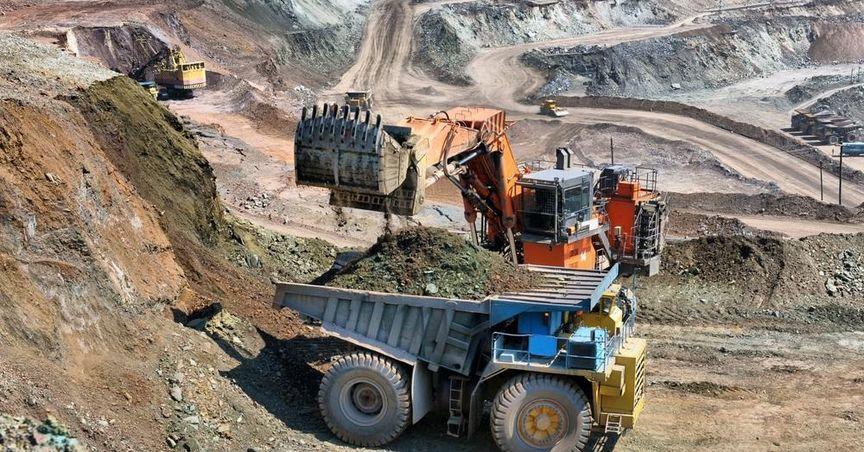
The company operates an integrated steelmaking network that includes iron ore mining, pellet production, steel manufacturing, and finishing facilities. This structure allows the business to manage several stages of the steel production process, from raw materials to specialized finished products.
Automotive manufacturing represents an important customer base, with the company supplying flat-rolled steel used in vehicle production. The business also serves construction, appliance, infrastructure, and industrial markets through a variety of steel products.
A key part of the companys operations involves grain-oriented electrical steel, a specialized material used in transformers and electrical equipment. This product connects the company with the expansion and modernization of electrical infrastructure across different regions.
Electrical Steel Business
Grain-oriented electrical steel requires specialized production techniques and advanced processing capabilities. The material plays an important role in transformer cores, helping improve electrical efficiency within power systems.
The companys position as a domestic producer of electrical steel provides a connection to industries involved in power transmission equipment. Demand for transformers and grid-related infrastructure has increased attention toward manufacturers capable of producing specialized steel grades.
Beyond electrical steel, the company produces automotive steel, coated steel, stainless products, and other flat-rolled materials used across industrial applications.
Recent Developments
Recent activities have focused on strengthening specialized steel production and expanding supply relationships. A multi-year contract for grain-oriented electrical steel highlighted the companys role in supplying materials for electrical infrastructure projects.
The agreement reflects continued demand for steel products connected with transformers and grid equipment. Such contracts form part of the companys broader activities across specialized steel markets.
The company has also continued operating its integrated steel network while managing production across mining facilities, steel mills, and processing locations throughout North America.
Industry Environment
The metals and mining sector is influenced by industrial activity, construction demand, automotive production, and infrastructure development. Steel demand often changes alongside manufacturing cycles and broader economic conditions.
Within the sector, specialized products such as electrical steel have different demand patterns compared with traditional commodity steel. Electrical infrastructure development has increased attention toward materials required for transformers, power systems, and energy networks.
The S&P 500 includes companies from multiple industries, including materials businesses involved in manufacturing and industrial production. Companies within the index reflect a broad range of economic activities across the United States.
Business Position
Cleveland-Cliffs has built its business around vertical integration, combining raw material production with steel manufacturing and finishing operations. This approach provides control across several parts of the supply chain.
The companys automotive steel business remains a major operating area, supported by relationships with vehicle manufacturers and industrial customers. Specialized products such as electrical steel provide additional exposure to infrastructure-related applications.
Within the broader materials group, steel producers operate alongside companies involved in mining, metals processing, and industrial materials. Each segment responds to different demand conditions based on end markets and product categories.
Sector Trends
Several developments are shaping the steel industry, including infrastructure modernization, electric grid expansion, and changing manufacturing requirements. These trends have increased attention toward advanced steel grades used in specialized applications.
Automotive production is also influencing steel demand as vehicle manufacturers continue developing new models and production methods. Steel remains an important material for vehicle structures due to its strength and durability.
Technology improvements within steelmaking have focused on efficiency, product quality, and environmental performance. Producers continue adapting operations to meet changing requirements from industrial customers.
Operational Focus
Operational priorities include maintaining production efficiency, managing raw material supply, and serving customers across multiple industries. Integrated steel operations require coordination between mining activities, transportation networks, and manufacturing facilities.
The company continues to operate a network of facilities designed to supply steel products for domestic industrial markets. Production capabilities include standard flat-rolled products and specialized materials such as electrical steel.
The companys activities place it within the industrial materials segment represented in broad market indexes such as the S&P 500, where large manufacturers contribute to the overall composition of the index.
Market Relevance
Steel production provides insight into industrial activity because steel is widely used across construction, transportation, manufacturing, and infrastructure projects. Companies operating in this field are connected to multiple areas of the economy.
Cleveland-Cliffs represents a major North American steel producer with exposure to automotive manufacturing and infrastructure-related demand. Its electrical steel operations connect traditional steelmaking with modern power system requirements.
The companys position within the materials industry continues to reflect developments across steel markets, manufacturing activity, and infrastructure requirements.
