
 AUS
AUS
 NZ
NZ
 UK
UK
 CA
CA
 USA
USA
 IND
IND





Highlights
- Higher crude prices strengthen the earnings backdrop.
- Refining and chemical margins add support.
- Geopolitical tension keeps energy markets unsettled.
Conflict-driven crude strength and firmer downstream margins are improving the earnings backdrop while disciplined spending, geopolitical exposure, and energy-transition planning remain central to the long-term outlook.
Exxon Mobil (NYSE:XOM) has returned to the center of market attention as conflict-driven crude strength reshapes expectations for the global energy industry. The integrated oil major, which is included in the S&P 500, has indicated that stronger commodity pricing and firmer downstream margins could support a notably improved quarter. Its broad operating structure provides exposure to oil production, fuel refining, chemicals, and emerging lower-emission technologies, making the company a useful gauge of how geopolitical disruption is flowing through the wider energy economy.
Crude Strength Reshapes Expectations
Oil prices have become the dominant force shaping the companys near-term outlook. Heightened tensions involving the United States and Iran have increased concerns about supply security across the Middle East, particularly around major shipping routes that carry a significant portion of global crude.
When energy markets become concerned about transportation interruptions or reduced output, crude prices can rise quickly. That movement generally strengthens the economics of large producers because operating costs do not always increase at the same pace as the market value of each barrel.
Exxon Mobils substantial upstream portfolio gives it considerable exposure to this dynamic. Its production operations span several major regions and include large, long-lived projects designed to remain competitive across different commodity environments.
Integrated Operations Provide Balance
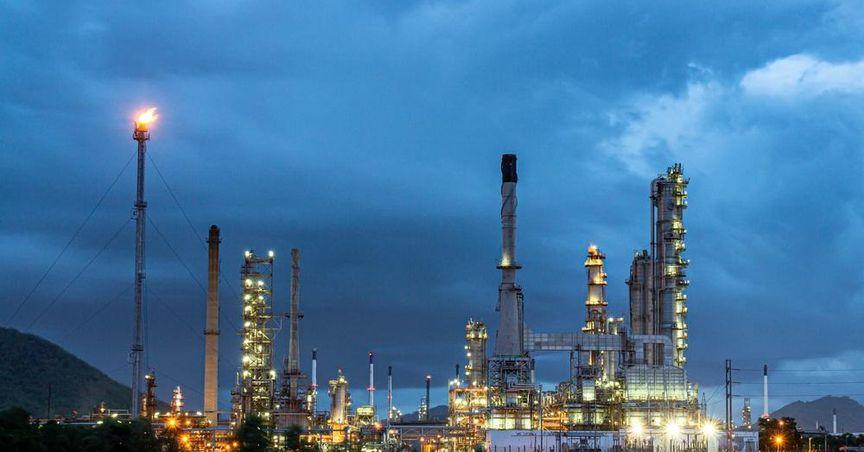
Exxon Mobil differs from a producer focused only on extracting crude because it participates across the entire energy chain. Its upstream division explores for and produces oil and natural gas, while its downstream network turns crude into gasoline, diesel, aviation fuel, and other refined products.
The company also operates a major chemical business that creates materials used in manufacturing, packaging, transportation, and consumer products. This integrated structure can provide balance during changing market conditions.
When crude prices are elevated, production earnings may strengthen considerably. During periods when commodity prices weaken, refining or chemical operations can sometimes provide additional support. That operational breadth remains an important feature of the companys place among major energy stocks.
Refining Margins Add Support
The current outlook is not driven by crude alone. Refining margins have also improved, creating a broader earnings foundation across the business.
Refining margins represent the difference between the cost of crude and the value of the fuels produced from it. These margins can strengthen when fuel demand remains firm, refinery capacity is constrained, or product inventories become tight.
Exxon Mobils extensive refining network gives it meaningful exposure to these conditions. Firmer chemical margins may provide another layer of support, suggesting that multiple operating divisions could contribute to the improved quarterly picture.
This combination matters because upstream strength can sometimes be partly offset by pressure in downstream operations. When production, refining, and chemicals improve together, the integrated model becomes particularly valuable.
Capital Discipline Remains Central
The company has emphasized careful spending and a focus on projects with competitive production costs, long operating lives, and strong cash-generation characteristics.
Rather than expanding output without regard to returns, Exxon Mobil has concentrated resources on developments that can remain resilient through different phases of the commodity cycle. This strategy is intended to protect cash flow during weaker periods while preserving meaningful exposure when crude prices rise.
Large offshore developments, efficient production hubs, and streamlined operations remain central to this approach. Cost control also supports the companys ability to fund new projects, maintain distributions, and invest in future technologies without relying entirely on elevated commodity prices.
Geopolitical Risks Stay Elevated
Higher crude prices can strengthen near-term financial performance, but geopolitical tension also introduces operational uncertainty.
Conflict near important energy routes may disrupt shipping, increase insurance costs, alter trading patterns, or influence government policy. A company operating across numerous regions must account for political stability, local regulation, sanctions, security risks, and changing access to resources.
Environmental rules also shape project costs and development timelines. Requirements related to emissions, refining standards, drilling activity, and industrial operations can materially affect how energy projects are planned and operated.
Exxon Mobils global scale provides diversification, but it also makes geopolitical awareness essential. The company must continuously balance attractive resources against regulatory complexity and regional uncertainty.
Energy Transition Shapes Strategy
Longer-term attention remains focused on how the global energy mix may evolve. Exxon Mobil continues to argue that oil and gas stock will remain important while demand grows for lower-emission solutions.
The company has directed resources toward carbon capture, hydrogen, lower-emission fuels, and technologies intended to reduce industrial emissions. These areas draw on its experience managing complex engineering projects, transportation networks, and large energy systems.
The strategic challenge is to meet current energy demand while preparing for gradual changes in policy, technology, and consumption. Traditional production remains the foundation of the business, but emerging initiatives could become increasingly important as industries seek practical ways to reduce emissions.
Market Focus Turns Forward
Future attention will center on crude prices, refining conditions, chemical margins, project execution, and spending discipline.
A sustained period of firm oil pricing could reinforce the companys cash-generation capacity. However, easing geopolitical tension or softer economic activity could cause commodity conditions to change rapidly.
The strength of Exxon Mobil (NYSE:XOM) integrated structure provides several operating levers, yet performance still remains closely tied to global energy demand and commodity pricing. Its ability to convert favorable market conditions into durable cash flow while maintaining disciplined spending will remain the central measure of execution.
The present environment places the company in a strong operating position, but the durability of that strength will depend on how long crude prices remain elevated and whether downstream margins continue supporting the broader portfolio.
