
 AUS
AUS
 NZ
NZ
 UK
UK
 CA
CA
 USA
USA
 IND
IND



Highlights
- Diversified base metals producer with global operations
- Shares reached a new annual high during active trading
- Portfolio includes copper, zinc, gold, and nickel assets
Lundin Mining performance in the S&P TSX Index reflects new trading highs, diversified base metals assets, quarterly results, and evolving global mining sector conditions.
Lundin Mining operates within the basic materials sector as a diversified base metals producer and is a constituent of the S&P TSX Index. The company focuses on the exploration, development, and production of copper, zinc, gold, and nickel across multiple international jurisdictions. Lundin Mining maintains a portfolio of producing mines and development projects spanning the Americas and Europe.
Recent trading sessions recorded a new annual high for the shares during intraday activity. The stock reached an elevated level before closing slightly below the session peak, with trading volume reflecting active participation. Movement above previous annual benchmarks drew attention from market participants monitoring technical performance indicators.
Operational Footprint and Asset Portfolio
Lundin Mining (TSX:LUN) owns and operates a diversified set of mining assets. Core properties include Candelaria in Chile, Chapada in Brazil, Eagle in the United States, and Neves Corvo in Portugal. These operations contribute to a production mix centered primarily on copper, supported by zinc, gold, and nickel output.
Copper production represents a significant portion of overall metal output, aligning with global demand linked to electrification, infrastructure, and renewable energy systems. Zinc production supports applications in galvanization and corrosion resistance, while gold and nickel provide additional commodity exposure within the portfolio.
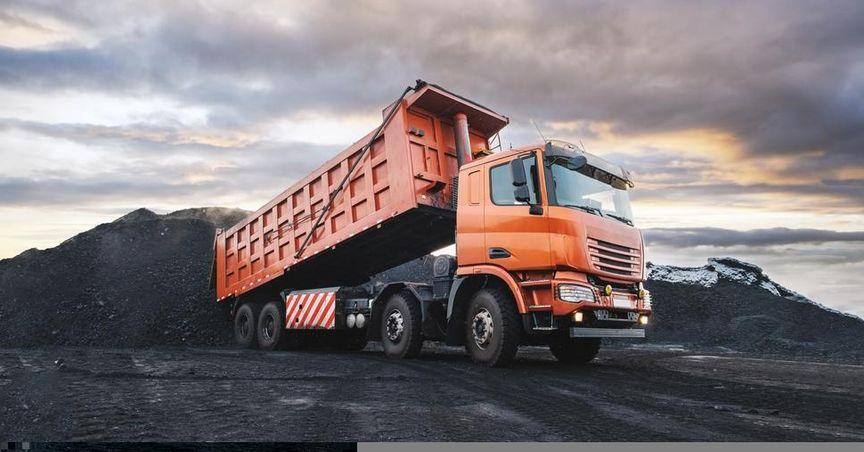
Mining operations involve open pit and underground extraction methods, supported by processing facilities that concentrate and refine ore. Each site operates under regulatory frameworks established by host countries, including environmental compliance standards and community engagement obligations.
Recent Trading Developments
Shares of Lundin Mining (TSX:LUN) advanced to a new annual high during recent trading. The intraday range reflected strong upward momentum before settling at a level modestly below the peak. Trading activity exceeded typical levels, indicating elevated interest during the session.
Short term and long term moving averages have trended upward over recent months, consistent with the broader strengthening pattern observed in the share trajectory. Market capitalization places the company among larger issuers within the Canadian mining segment.
Brokerage commentary released during the same period included rating adjustments and revised target levels. Aggregated coverage classifications reflect a mix of positive and neutral stances. Such commentary forms part of ongoing market evaluation of performance within the mining sector.
Financial Performance and Metrics
The company recently reported quarterly financial results that included earnings per share and revenue figures derived from metal sales. Net margin and return on equity metrics provide insight into operational efficiency relative to shareholder capital. Earnings multiples currently reflect valuation measures influenced by reported net results.
Liquidity indicators such as current and quick ratios illustrate the company’s capacity to meet short term obligations. The balance sheet includes debt financing utilized to support capital expenditures and operational development across mining sites. Debt to equity ratios indicate leverage levels within the capital structure.
Revenue generation is closely tied to realized metal prices and production volumes. Commodity market fluctuations can influence quarterly financial outcomes. Operational costs include extraction, processing, transportation, and administrative expenses.
Commodity Market Context
Base metals markets are shaped by global supply and demand dynamics. Copper demand is linked to construction, transportation, and energy infrastructure. Zinc consumption remains connected to steel galvanization, while nickel demand is influenced by stainless steel production and battery manufacturing trends.
Gold output provides exposure to precious metals markets, which may respond to macroeconomic conditions and currency movements. Diversification across multiple metals helps balance exposure to individual commodity cycles.
The mining sector is capital intensive, requiring sustained expenditure on equipment, site development, and exploration activities. Environmental stewardship and regulatory compliance represent ongoing operational priorities across jurisdictions.
Midway through the fiscal year, Lundin Mining (TSX:LUN) continued to trade within the broader s and p tsx index environment, reflecting performance trends among leading Canadian resource companies. Index participation situates the company alongside peers in materials, energy, and financial sectors.
Development Projects and Expansion
In addition to producing assets, Lundin Mining advances development initiatives aimed at extending mine life and enhancing output capacity. Exploration programs target resource expansion through drilling and geological evaluation. Capital projects may involve processing plant upgrades or infrastructure enhancements.
Project timelines depend on permitting processes, engineering assessments, and market conditions. Development expenditures are allocated in alignment with operational priorities and long term production planning.
Sustainability initiatives encompass water management, tailings oversight, and emissions monitoring. Community engagement programs support local economic participation near mining operations.
Market Position Within Canadian Equities
As a prominent base metals producer, Lundin Mining (TSX:LUN) contributes to the materials segment of the Canadian equity market. Participation in the s&p tsx composite aligns performance with other large scale resource issuers. Share performance often correlates with broader commodity trends and global economic indicators.
Trading above a prior annual high marks a technical milestone that reflects sustained upward movement over preceding months. Volume levels during such milestones can signal heightened market engagement. Ongoing disclosures regarding production levels and financial results provide additional context for trading activity.
