
 AUS
AUS
 NZ
NZ
 UK
UK
 CA
CA
 USA
USA
 IND
IND




Highlights
- Base metals producer operates mining assets across several continents supplying essential industrial metals.
- Operational portfolio includes copper, zinc, nickel, and gold extracted from large scale mining projects.
- Recent market attention surrounds evolving activity in the global metals sector and resource supply chains.
Lundin Mining operates international base metals projects supplying copper, zinc, nickel, and gold while participating in the global mining sector connected to the S&P TSX Index.
The global mining industry forms a critical foundation for manufacturing, energy systems, and infrastructure development. Within this sector, Lundin Mining (TSX:LUN) functions as a diversified base metals producer with operations spanning several international regions. Mining companies of this nature often form part of broader market benchmarks reflecting activity across multiple industries. Among these benchmarks, the S&P TSX Index includes resource companies involved in mineral extraction and processing. The role of metals such as copper, nickel, and zinc remains closely connected to industrial production, electrification technologies, and global supply chains.
Mining operations across the sector involve exploration, development, extraction, and processing of mineral deposits located in geologically rich regions. Companies engaged in these activities typically manage large scale sites supported by engineering infrastructure, transportation networks, and processing facilities designed to transform ore into refined metal products.
Global Base Metals Operations
Resource extraction represents the core activity associated with Lundin Mining (TSX:LUN). The company maintains a diversified mining portfolio focused primarily on base metals used within construction, energy infrastructure, and industrial manufacturing.
Copper production represents a major component of many base metals mining operations due to the metal’s widespread use in electrical wiring, electronics, and renewable energy infrastructure. Demand for copper frequently reflects growth in electrification technologies, construction activity, and industrial equipment manufacturing.
Zinc extraction also plays a significant role within global metals markets. Zinc functions primarily as a protective coating applied to steel through galvanization processes, preventing corrosion in infrastructure and industrial equipment.
Nickel contributes to stainless steel manufacturing as well as advanced battery technologies. The metal supports multiple industries including transportation, energy storage, and heavy manufacturing.
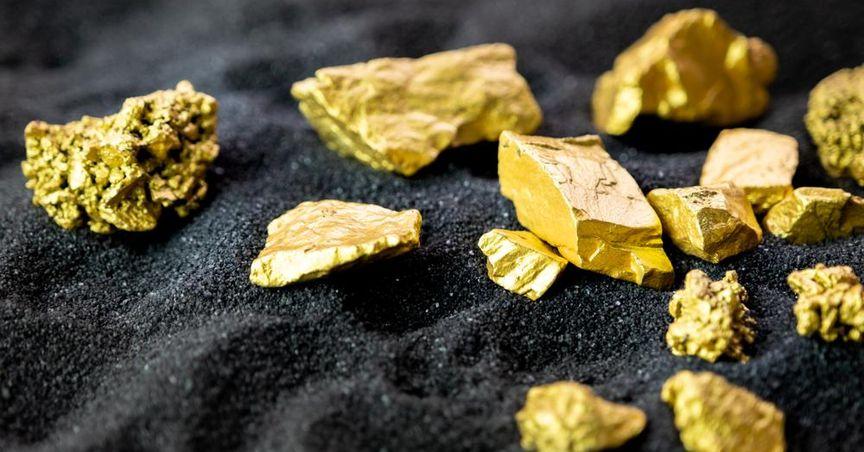
Gold production, although often associated with precious metals markets, also appears within mining portfolios that contain diverse mineral deposits. Gold extraction frequently occurs alongside base metals in complex ore bodies where multiple minerals coexist within the same geological formations.
Mining Assets and Geographic Footprint
Mining companies operating across international regions typically maintain production facilities near mineral deposits discovered through geological exploration. Major mining assets associated with the operations of Lundin Mining (TSX:LUN) include projects located across the Americas and Europe.
These mining projects involve extensive infrastructure including open pit or underground extraction systems, ore processing plants, transportation networks, and environmental management facilities. Mining engineers and geologists supervise extraction processes to ensure efficient recovery of mineral resources from host rock formations.
Large scale mines frequently function as integrated industrial complexes where ore is extracted, crushed, processed, and refined before shipment to smelting or refining facilities. The extracted metals subsequently enter global supply chains supporting manufacturing industries and infrastructure development.
Operations in geographically diverse regions contribute to supply stability for metals required by numerous industrial sectors. Mining companies operating in multiple jurisdictions often adapt operational practices to local environmental regulations and geological conditions.
Mining Sector and Canadian Markets
Canada hosts one of the world’s largest mining sectors, with companies involved in exploration, extraction, and mineral processing operating domestically and internationally. Canadian mining firms maintain extensive experience in geological exploration, engineering, and resource development.
Many resource companies active in the Canadian market appear within broader equity benchmarks tracking corporate activity across sectors such as mining, energy, financial services, and manufacturing. Within this context, the s&p tsx composite includes numerous resource producers involved in global mining operations.
Mining companies contribute significantly to Canada’s industrial landscape through resource development, infrastructure construction, and mineral exports. Extracted metals frequently travel through international trade networks to manufacturing centers worldwide.
Operational updates from mining companies often draw attention due to the sector’s influence on industrial supply chains and global commodity markets. Production volumes, exploration progress, and operational developments frequently shape the broader narrative surrounding resource extraction industries.
Mining Processes and Resource Development
Mineral extraction involves several stages beginning with geological exploration to identify economically viable deposits. Exploration teams conduct geological mapping, drilling programs, and laboratory testing to determine mineral composition and deposit size.
Once exploration confirms the presence of significant mineral resources, mining development begins with construction of infrastructure required for extraction. This stage includes excavation systems, transportation networks, and ore processing facilities.
Extraction methods vary depending on geological conditions and ore deposit characteristics. Open pit mining involves removing surface rock layers to access mineral deposits, while underground mining utilizes tunnels and shafts to reach deeper ore bodies.
Ore extracted from mining operations undergoes processing through crushing, grinding, and flotation techniques designed to separate valuable metals from surrounding rock. Concentrated minerals are then transported to smelting facilities where metals are refined into industrial grade materials.
Throughout the mining lifecycle, environmental management practices address land use, water resources, and site rehabilitation. Regulatory frameworks governing mining operations often require companies to implement environmental protection measures during both operational and post extraction phases.
Within the global resource industry, companies such as Lundin Mining (TSX:LUN) remain involved in the production of base metals supporting industrial manufacturing, infrastructure development, and electrification technologies linked to sectors represented across the s and p tsx index.
