
 AUS
AUS
 NZ
NZ
 UK
UK
 CA
CA
 USA
USA
 IND
IND



Highlights
- Lundin Mining draws attention following updated valuation benchmarks
- Base metals operations reflect global demand for industrial resources
- Market activity aligns with broader mining sector developments
Lundin Mining performance in the S&P TSX Index reflects trading movement, diversified mining operations, and evolving demand for base metals across global industrial and infrastructure sectors.
The basic materials sector remains a cornerstone of global industrial activity, with mining companies supplying essential resources for infrastructure and manufacturing. Within this environment, Lundin Mining operates as a diversified producer of base metals, and its performance is often viewed in relation to benchmarks such as the S&P TSX Index, which reflects the performance of major Canadian companies across multiple industries.
Market Movement and Recent Developments
Recent trading activity has placed Lundin Mining (TSX:LUN) in focus, following adjustments to valuation benchmarks issued by financial institutions. Despite revisions, overall sentiment remains broadly supportive, with multiple classifications reflecting varied perspectives across the market.
Shares have shown upward movement during recent sessions, aligning with developments in the broader mining sector. Such trends often correspond with fluctuations in commodity demand and global industrial activity. Trading patterns may also reflect updates related to company operations and financial disclosures.
Within the broader s&p tsx composite framework, mining companies frequently exhibit movement tied to resource demand, geopolitical factors, and supply chain dynamics. These influences contribute to ongoing shifts in market positioning for companies engaged in base metals production.
Operational Scope and Resource Portfolio
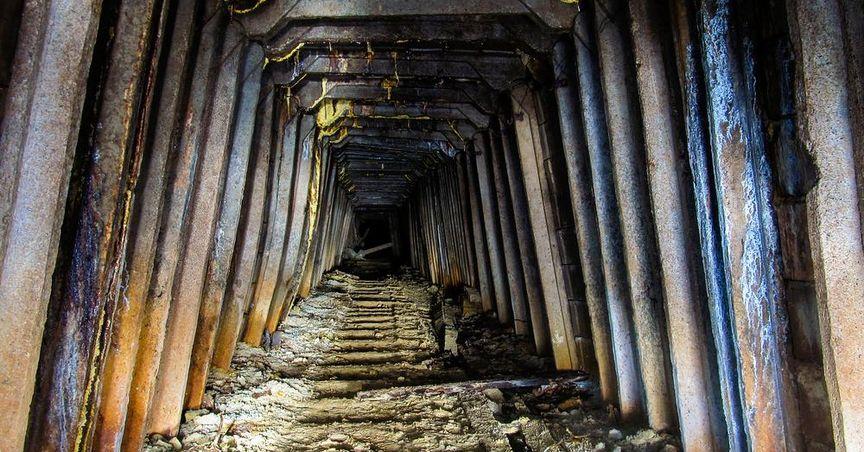
Lundin Mining (TSX:LUN) maintains a diversified portfolio of mining operations across several regions. The company produces a range of base metals, including copper, zinc, and nickel, which are widely used in construction, manufacturing, and technology applications.
Key mining sites are located in regions known for established resource extraction industries. These operations support steady output and contribute to global supply chains for essential materials. The company’s geographic diversification allows participation in multiple markets, each with distinct regulatory and operational environments.
In addition to core mining activities, the company engages in exploration and development initiatives aimed at sustaining production capacity. These efforts are aligned with ongoing demand for metals required in infrastructure development and energy systems.
Financial Performance and Key Indicators
Recent financial disclosures highlight revenue generation supported by the sale of base metals across international markets. Earnings per share figures indicate operational output, while margins reflect efficiency within mining processes.
Balance sheet indicators show a stable financial structure, with manageable leverage levels compared to industry norms. Liquidity measures provide insight into the company’s ability to support ongoing operations and project development.
Moving averages across different timeframes suggest a gradual upward trend in market valuation, aligning with recent trading activity. These indicators are commonly used to observe broader patterns in stock movement over time.
Comparisons with industry peers illustrate the company’s positioning within the mining sector, where performance is closely linked to commodity demand and operational efficiency.
Sector Dynamics and Market Influences
The mining sector is influenced by a range of external factors, including global economic conditions, infrastructure development, and technological advancement. Demand for base metals often rises in conjunction with construction activity and manufacturing expansion.
Copper, one of the company’s primary outputs, plays a significant role in electrical systems and renewable energy technologies. Zinc is widely used in galvanization processes, while nickel is essential in battery production and stainless steel manufacturing.
These applications highlight the importance of base metals in supporting modern industrial systems. As global economies continue to evolve, the demand for such materials remains closely tied to infrastructure and energy transitions.
Within the s and p tsx index, mining companies contribute significantly to overall sector representation, reflecting Canada’s position as a major resource-producing nation.
Strategic Positioning in Global Mining
Lundin Mining (TSX:LUN) continues to operate within a competitive global mining landscape, where efficiency and resource management are central to sustained operations. The company’s portfolio of assets supports production across multiple commodities, allowing diversification within the base metals segment.
Operational strategies include maintaining consistent output levels, optimizing extraction processes, and advancing development projects. These initiatives align with broader industry practices aimed at meeting ongoing demand for essential materials.
Technological advancements in mining processes and environmental considerations also influence operational approaches. Companies in this sector increasingly focus on improving efficiency while addressing environmental and regulatory requirements.
The integration of these factors shapes the company’s role within the global mining industry and its representation in broader market benchmarks.
