
 AUS
AUS
 NZ
NZ
 UK
UK
 CA
CA
 USA
USA
 IND
IND

.jpg)





Highlights
- Cuba has published a resolution in its Official Gazette to regulate the crypto market in the country
- Cuba’s move is not identical to El Salvador’s, the Central American country that has made Bitcoin legal tender
- Cuba is reeling from sanctions and the move can go a long way in making remittances from the US easier and cheaper
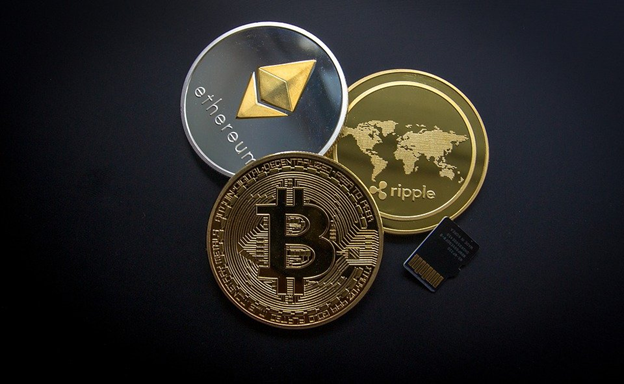
Image source: Pixabay
Cuba has created a buzz in the cryptocurrency market. The island nation has passed Resolution 215 to recognize and regulate digital currencies.
Experts are viewing this as the first step by the country to jump onto the crypto bandwagon. Cryptos like Bitcoin and Ether have gained over the last few weeks. The crackdown by China was a trigger that caused Bitcoin to lose considerable market cap after reaching nearly US$65,000 in April 2021. But a rebound has quickly reassured crypto enthusiasts.
Also read: Will Bitcoin rebound to $65,000 before 2021 ends?
What does Cuba’s crypto embrace mean?
It is too early to comment on whether the country will make Bitcoin a legal tender. For now, Cuba will only set rules around dealing with cryptocurrencies. Service providers in the crypto space in Cuba will require a license. This essentially means reporting crypto trades will become necessary. The license for commercial service providers will be issued by the Central Bank of Cuba.
Is Cuba’s embrace similar to El Salvador’s?
El Salvador became the first country to declare Bitcoin a legal tender. It meant the cryptocurrency can be used for day-to-day transactions similar to fiat currency like the US dollar.
Cuba’s crypto move falls short of making Bitcoin or any other cryptocurrency legal tender. The Cuban peso is the official currency of the country. El Salvador had no official currency. The Central American country was using the US dollar as its main currency. With the adoption of Bitcoin, El Salvador is looking to bring down remittance costs.
Also read: How soon can Bitcoin replace fiat currencies?
Will Bitcoin help Cuba reduce remittance costs?
According to reports, moving money between the US and Cuba has become difficult. The pain increased after Western Union shut operations in Cuba in 2020. The outbreak of the COVID-19 pandemic made it more complicated to send and receive money. Earlier, Cubans could use the services of ‘mulas’ to move money but the travel restrictions brought by the pandemic dealt a body blow to this channel.
Cuba is looking to harness the power of cryptocurrencies that promise to make remittances quicker and cheaper.
What more does Resolution 215 say?
The resolution also warns Cubans of risks in dealing with cryptocurrencies. It includes a disclaimer that says service providers work on the “margins” of formal banking channels.
As stated earlier, the resolution does not unequivocally support the crypto world. However, it can serve as a template for future enabling actions.
Bottom line
Countries like El Salvador and Cuba are not mainstream players in the global economy. The crypto embrace can be one way to make remittances easier and cheaper.
The move by Cuba is not identical to El Salvador. While the former has only regulated the crypto space in the country, the latter has made Bitcoin legal tender.
