
 AUS
AUS
 NZ
NZ
 UK
UK
 CA
CA
 USA
USA
 IND
IND





Highlights
- TC Energy draws attention amid evolving energy infrastructure trends
- Market sentiment reflects mixed positioning across analysts
- Energy sector dynamics continue to shape broader activity
Energy infrastructure continues to shape market activity, with evolving trends influencing operational strategies and sector dynamics across Canadian equities, reflecting broader changes in energy systems and infrastructure development.
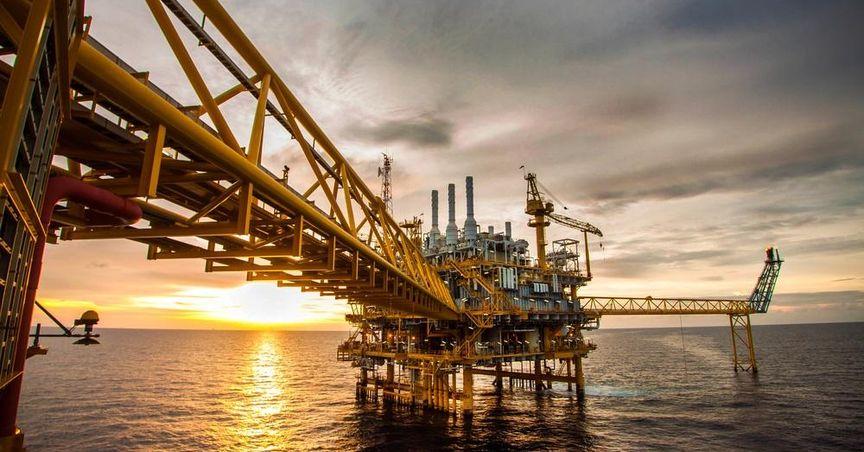
TC Energy Corporation (TSX:TRP), an energy infrastructure company, attracts increasing attention within the S&P/TSX 60. The company operates a vast network of natural gas pipelines and power generation assets, positioning it as a key participant in North America’s energy landscape.
The attention surrounding the company reflects a combination of infrastructure relevance, operational developments, and shifting market sentiment across the energy sector.
Energy Infrastructure at the Core
TC Energy Corporation is widely recognised for its extensive pipeline network and energy transmission capabilities. The company’s infrastructure spans across multiple regions, supporting the transportation of natural gas and other energy resources.
Its pipeline systems serve as critical components within the energy supply chain, ensuring the efficient movement of resources across long distances. In addition to pipelines, the company’s involvement in power generation adds another dimension to its operational portfolio.
Energy infrastructure companies play a vital role in maintaining stability within the energy sector. Their operations support industrial activity, residential consumption, and broader economic functions.
Within the context of TSX Energy Stocks, TC Energy represents a segment focused on long-term infrastructure development and operational continuity. This positioning highlights the importance of infrastructure assets in supporting energy distribution networks.
Shifting Market Sentiment
Recent developments have contributed to a mixed tone surrounding TC Energy. While some perspectives indicate confidence in the company’s operational framework, others reflect a more balanced stance due to evolving industry conditions.
This dual perspective underscores how energy companies often operate within environments shaped by regulatory factors, infrastructure demands, and market expectations. As a result, sentiment can shift depending on broader industry developments.
The attention around TC Energy reflects this balance, where infrastructure strength is weighed alongside operational considerations. Such dynamics are common within energy-focused companies that operate on large-scale projects and long-term frameworks.
Revisions Reflect Changing Outlook
Adjustments in outlook across the energy sector continue to influence how companies are perceived. TC Energy has seen revisions in expectations, reflecting changes in market conditions and operational developments.
These revisions highlight the importance of adaptability within energy infrastructure companies. As demand patterns evolve and new projects emerge, companies must align their strategies with shifting requirements.
The broader energy landscape is characterised by ongoing transformation, where traditional infrastructure models are being complemented by new approaches. TC Energy’s position within this environment reflects its role in balancing established operations with evolving industry trends.
Operational Framework and Scale
TC Energy’s operational framework is built on a foundation of large-scale infrastructure assets. Its pipeline network spans significant distances, connecting key regions and supporting energy distribution across multiple markets.
The company’s involvement in power generation further strengthens its position within the energy sector. By maintaining a diversified asset base, TC Energy is able to operate across different segments of the energy value chain.
This scale of operations requires continuous management and coordination, ensuring that systems function efficiently and reliably. Infrastructure companies operate within environments that demand precision and consistency, reflecting the complexity of energy distribution networks.
Industry Pressures and Adaptation
Energy infrastructure companies operate within a landscape shaped by various external factors. Regulatory frameworks, environmental considerations, and evolving energy demands all influence operational strategies.
TC Energy’s activities reflect the need to adapt to these changing conditions. The integration of new technologies and operational practices supports the company’s ability to navigate industry challenges.
Within TSX Energy Stocks, companies are increasingly focusing on efficiency and sustainability. These priorities are shaping how infrastructure is developed and managed.
The ability to adapt to evolving requirements remains a key aspect of long-term operational success within the energy sector.
Role in Canadian Market Dynamics
TC Energy’s presence within the Canadian market highlights the importance of energy infrastructure in supporting economic activity. The company’s operations contribute to the movement of resources that power industries and communities.
Energy infrastructure forms a critical link between production and consumption, ensuring that resources are delivered efficiently. Companies like TC Energy play a central role in maintaining this balance.
The broader market continues to reflect the significance of infrastructure-driven sectors. As demand for energy evolves, the role of pipeline and power generation assets remains essential.
Energy Sector Evolution
The energy sector is undergoing a period of transformation, driven by technological advancements and changing consumption patterns. Infrastructure companies are adapting to these changes by enhancing operational efficiency and exploring new approaches.
TC Energy Corporation (TSX:TRP), position within this evolving landscape highlights the importance of flexibility and innovation. While traditional infrastructure remains central, new developments are shaping the future of energy systems.
This evolution reflects broader global trends, where energy companies are aligning their operations with emerging requirements. The integration of technology and infrastructure continues to redefine how energy is produced, transported, and consumed.
