
 AUS
AUS
 NZ
NZ
 UK
UK
 CA
CA
 USA
USA
 IND
IND




_10_04_2024_16_38_50_427275.jpg)

- Highlights
- Renewable diesel production begins at Strathcona facility in Alberta
- Core operations remain centered on oil sands and refining activities
- Performance aligns with trends in the S&P/TSX 60 Index
Imperial Oil (TSX:IMO) integrates renewable diesel output with traditional operations, reflecting trends in the S&P/TSX 60 Index and evolving fuel production landscape.
Imperial Oil (TSX:IMO) operates in Canada’s integrated oil and gas sector, spanning upstream production, refining, and fuel distribution. The company is a constituent of the S&P/TSX 60 Index, reflecting its scale within the large-cap segment of the Canadian equity market. Activities are closely tied to crude oil production, downstream processing, and emerging lower-carbon fuel technologies within the broader energy sector.
Core Operations in Oil Sands and Refining
Primary operations include oil sands production, conventional upstream assets, and downstream refining infrastructure. Oil sands projects in Alberta form a central component of output, supported by extraction and upgrading processes that convert bitumen into refined petroleum products.
Refining facilities process crude inputs into gasoline, diesel, and other fuels distributed across Canada. Retail and wholesale distribution networks extend market reach, linking refining output to end users in transportation and industrial sectors.
These operations position the company within the Energy Stocks category, where performance is influenced by production volumes, refining throughput, and fuel demand patterns. Integration across upstream and downstream segments supports operational continuity and supply chain coordination.
Strathcona Renewable Diesel Facility
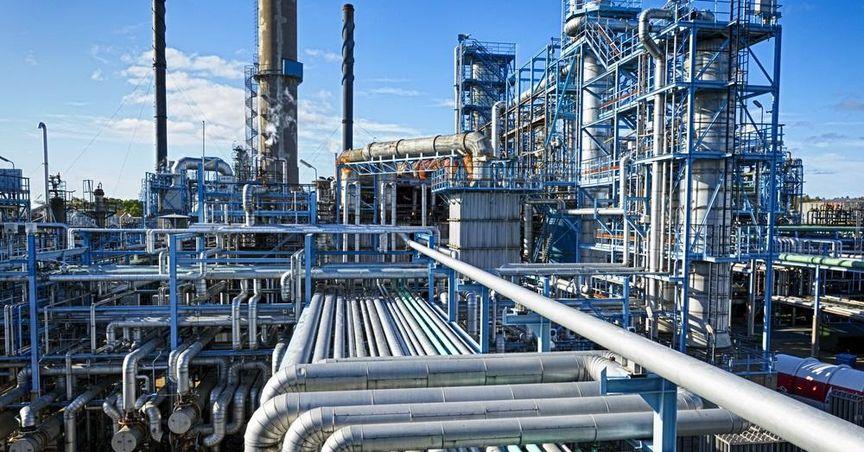
A recent operational development involves the commencement of renewable diesel production at the Strathcona refinery in Alberta. The facility uses proprietary catalyst technology designed to process renewable feedstocks into lower-carbon transportation fuels.
Renewable diesel differs from conventional biodiesel through chemical composition and compatibility with existing diesel engines. Production processes convert feedstocks such as vegetable oils and waste materials into hydrocarbon fuels that meet industry specifications.
The Strathcona project introduces an additional production stream alongside conventional petroleum refining. This development reflects broader industry trends focused on diversification of fuel sources and integration of lower-emission technologies within existing infrastructure.
Integration of Technology in Fuel Production
Proprietary catalyst systems applied at the renewable diesel facility represent a technological component within refining operations. Catalysts play a critical role in chemical conversion processes, influencing yield, efficiency, and product quality.
Incorporation of such technologies enables processing of alternative feedstocks within established refinery systems. This integration reduces the need for entirely separate facilities while allowing adjustments to production profiles based on feedstock availability and regulatory frameworks.
Technology deployment in refining aligns with ongoing developments across global energy systems, where refiners adapt processes to accommodate evolving fuel standards and emissions considerations.
Market Position Within the S&P/TSX 60 Index
As part of the S&P/TSX 60 Index, Imperial Oil (TSX:IMO) represents a significant component of Canada’s large-cap energy segment. The index includes major corporations across sectors, with energy companies contributing a notable share due to Canada’s resource-based economy.
Within this index, integrated oil and gas companies exhibit distinct characteristics compared to pure exploration or refining entities. Combined upstream and downstream operations provide multiple revenue streams tied to production and processing activities.
Performance trends in the index reflect macroeconomic conditions, commodity cycles, and sector-specific developments. Energy companies within the index respond to changes in global oil demand, refining margins, and infrastructure utilization.
Financial and Operational Trends
Recent disclosures indicate continued dividend payments alongside operational developments such as the renewable diesel facility. Financial performance is influenced by oil sands production levels, refining throughput, and market conditions affecting petroleum products.
Revenue projections indicate moderate growth trajectories based on production volumes and downstream activity. Earnings figures reflect contributions from core oil sands operations and refining segments, with incremental input from new fuel technologies.
Short-term fluctuations in share performance have been observed, aligning with broader movements in energy markets and the S&P/TSX 60 Index. Longer-term trends incorporate historical performance across varying commodity cycles.
Role in Canada’s Energy Sector
Imperial Oil (TSX:IMO) maintains a longstanding presence within Canada’s energy infrastructure, with operations spanning extraction, processing, and distribution. Oil sands assets contribute to national production capacity, while refining operations support domestic fuel supply.
The addition of renewable diesel production highlights an operational extension into lower-carbon fuel segments. This aligns with evolving regulatory frameworks and fuel standards influencing the transportation sector.
Canadian energy companies continue to adapt to changing consumption patterns and environmental considerations. Integration of new technologies within existing operations represents one pathway for maintaining production capabilities while addressing emissions-related requirements.
Industry Context and Evolving Fuel Mix
Global energy systems are undergoing gradual shifts as traditional fossil fuel production coexists with emerging alternatives. Renewable diesel represents one component within a broader mix that includes biofuels, hydrogen, and electrification.
Refining companies are incorporating flexibility into operations to accommodate diverse feedstocks and product specifications. This approach supports adjustments in production based on market demand and regulatory developments.
Oil sands production remains a key element of Canada’s resource sector, with ongoing investments in efficiency and emissions reduction technologies. Combined upstream and downstream operations enable coordination across production and processing stages, supporting consistent output within the energy supply chain.
