
 AUS
AUS
 NZ
NZ
 UK
UK
 CA
CA
 USA
USA
 IND
IND






Highlights
- Integrated energy activities include upstream extraction, refining, and fuel marketing across Canada.
- Brokerage coverage reflects a broadly cautious stance toward Imperial Oil shares.
- Operational footprint includes refining infrastructure and extensive petroleum distribution.
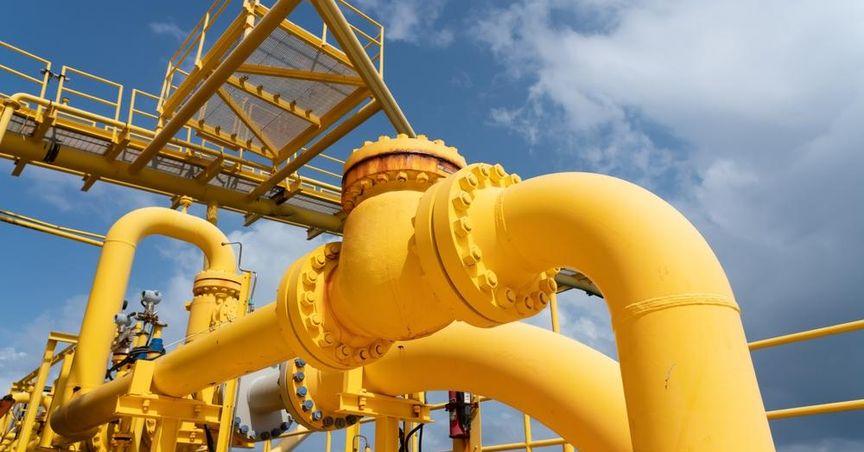
Imperial Oil operations within the S&P TSX Index ecosystem illustrate integrated petroleum production, refining capacity, and distribution networks supporting Canada’s transportation and industrial energy supply system.
The energy sector forms a significant component of Canada’s publicly traded corporate landscape, with several established producers and refiners operating within the S&P TSX Index. Among these companies, Imperial Oil Limited maintains a longstanding presence through upstream petroleum production, refining operations, and nationwide distribution of petroleum products. The company operates across multiple stages of the hydrocarbon value chain, linking extraction activities with refining and fuel marketing. Such integration has historically positioned the enterprise as a prominent participant in the Canadian petroleum sector, where production sites, refineries, and distribution networks connect energy supply with domestic markets.
Integrated Energy Operations Across Canada
Imperial Oil Limited (TSX:IMO) operates within the integrated oil and gas industry, combining exploration and production with refining and downstream fuel distribution. Upstream activities involve crude oil and natural gas extraction, including projects associated with oil sands development. These operations supply feedstock for refining processes while also supporting broader supply networks serving transportation, industrial, and commercial sectors.
Refining infrastructure forms another central component of the company’s operations. Facilities located in Canada convert crude oil into refined petroleum products such as gasoline, diesel, aviation fuel, and other energy derivatives. Refineries serve both domestic markets and broader distribution channels, ensuring steady supply for transportation networks and industrial demand.
Downstream marketing activities extend the company’s presence beyond production and refining. Distribution channels supply fuel through retail stations, commercial agreements, and transportation infrastructure. Logistics systems connect refineries with regional supply hubs, facilitating delivery of petroleum products across various regions.
Through this integrated structure, upstream production feeds refining capacity, while downstream distribution channels connect refined products to end markets. This arrangement reflects a common operational model among established petroleum companies with long-standing infrastructure networks.
Brokerage Coverage and Market Commentary
Brokerage firms periodically review publicly traded energy companies operating within the Canadian market. Coverage related to Imperial Oil Limited (TSX:IMO) has reflected a collective view among several research houses, with assessments generally grouped within categories describing cautious or reserved sentiment.
Coverage reports from various brokerage institutions have included adjustments to valuation targets and classification categories over time. Some firms have maintained conservative classifications, while others have assigned neutral stances reflecting a range of interpretations regarding company performance and broader industry conditions.
Such commentary often references market developments in global energy supply, refining margins, and changes affecting crude oil production environments. Within Canada’s petroleum industry, these factors influence operational conditions for integrated producers and refiners.
Brokerage reports also track operational updates, financial disclosures, and sector developments. Periodic research notes highlight operational developments in refining output, upstream production, and distribution activity. These publications contribute to the broader flow of information surrounding publicly traded energy companies listed on Canadian exchanges.
Refining Capacity and Distribution Networks
A defining characteristic of Imperial Oil’s structure involves extensive refining operations that transform crude oil into market-ready products. Refining sites handle large volumes of crude oil sourced from upstream extraction projects and external supply streams.
The refining process converts hydrocarbons into gasoline, diesel fuel, heating oil, aviation fuel, and petrochemical feedstocks. These products form essential components of transportation systems and industrial operations throughout Canada.
Distribution networks connect refineries to regional markets through pipelines, storage facilities, and transportation infrastructure. Retail fuel stations and wholesale supply agreements extend product availability across urban centers, highways, and commercial transport corridors.
This infrastructure plays a key role in linking upstream extraction to final consumption. By maintaining integrated operations, companies within the petroleum sector manage supply chains that extend from production fields to end-user markets.
Sector Context Within the Canadian Energy Market
Canada’s petroleum sector includes a mixture of exploration companies, integrated producers, and refining specialists. Many of these enterprises participate in oil sands development, conventional crude extraction, and refining activities that support domestic fuel supply.
The presence of energy companies within the S&P TSX Index reflects the sector’s historical importance within Canada’s economy. Oil and gas operations contribute to energy supply chains that support transportation systems, manufacturing activity, and heating demand across the country.
Imperial Oil (TSX:IMO) operates within this broader industry environment alongside other integrated energy producers. Sector developments often involve fluctuations in crude oil production activity, refinery throughput, and distribution logistics. These factors shape the operational landscape for companies engaged in petroleum extraction and refining.
Energy infrastructure, including pipelines and refining facilities, forms an essential part of the Canadian energy ecosystem. Such infrastructure enables transportation of crude oil and refined products between production regions and consumption centers.
Corporate Structure and Industry Role
Imperial Oil maintains a long-established corporate presence within Canada’s petroleum industry. Operational focus encompasses exploration and production activities combined with refining and fuel marketing services. This structure aligns with the integrated oil company model, which connects multiple stages of hydrocarbon development and distribution.
Corporate operations include oil sands production projects and conventional extraction sites supplying crude oil for refining. The company’s refining network converts this crude supply into refined petroleum products that serve transportation systems and industrial markets.
Fuel marketing operations distribute gasoline, diesel, and related products through a network of service stations and wholesale supply channels. These distribution systems support transportation fleets, commercial enterprises, and retail consumers across Canada.
Through integrated production, refining, and distribution systems, Imperial Oil Limited (TSX:IMO) continues to operate as a long-standing participant in the Canadian energy sector. Its infrastructure, refining capacity, and distribution channels contribute to the broader supply chain delivering petroleum products throughout the country.
