
 AUS
AUS
 NZ
NZ
 UK
UK
 CA
CA
 USA
USA
 IND
IND






Highlights
- Imperial Oil operates as an integrated energy company across upstream and downstream segments.
- Refining and marketing activities complement crude oil and natural gas production operations.
- Developments across large Canadian energy firms reflect broader sector activity within national benchmarks.
Canada’s energy sector plays a central role in the country’s industrial and resource framework, connecting exploration, refining, and distribution activities across domestic and international markets. Imperial Oil Limited (TSX:IMO) operates within this environment as an integrated oil company engaged in production, refining, and marketing of petroleum products. Large energy corporations often align with benchmarks such as the s&p 60, which represents major companies across sectors including energy, finance, and telecommunications. The presence of integrated oil companies within this benchmark reflects the importance of petroleum resources in Canada’s economic landscape.
Imperial Oil Limited maintains a diversified operational structure that includes upstream exploration and production, refining activities, and downstream marketing of petroleum products. This integrated approach allows coordination between resource extraction and product distribution, linking hydrocarbon production with consumer and industrial demand across various markets.
Integrated Energy Operations Across Canada
Integrated oil companies operate across multiple stages of the petroleum value chain. Upstream operations involve the exploration and production of crude oil and natural gas, while downstream activities include refining crude oil into usable products and distributing those products through retail and commercial channels.
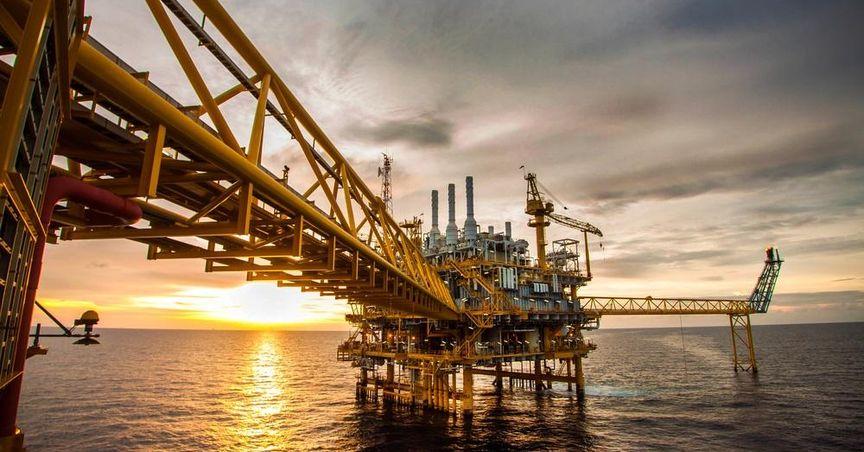
Imperial Oil Limited conducts upstream activities focused on the extraction of hydrocarbons from reservoirs located within Canada. These operations involve geological assessment, drilling programs, and production systems designed to recover crude oil and natural gas from subsurface formations. Production activities are supported by infrastructure such as well pads, pipelines, and processing facilities.
Downstream operations include refining crude oil into petroleum products such as fuels, lubricants, and other refined materials. These products are distributed through transportation networks and retail outlets, connecting refining operations with end users across Canada.
Upstream Production and Resource Development
Upstream production activities involve the extraction of crude oil and natural gas from geological formations. These operations require extensive planning and technical expertise, including reservoir management, drilling techniques, and production optimization strategies.
Hydrocarbon reservoirs may contain light oil, heavy oil, or natural gas, each requiring different extraction approaches. Thermal recovery methods are often used for heavy oil and bitumen deposits, while conventional drilling techniques are applied in light oil and natural gas reservoirs.
Production systems include gathering pipelines and processing facilities designed to transport hydrocarbons from wells to central processing locations. These systems ensure that extracted resources are stabilized and prepared for transportation to refineries or distribution hubs.
Market Developments and Sector Activity
Energy companies operating at scale often experience varying assessments from market observers. Recent developments surrounding Imperial Oil have included adjustments to external projections from financial institutions. Several organizations have revised their perspectives regarding valuation ranges and performance expectations for the company.
These revisions reflect ongoing evaluations of operational performance, sector conditions, and broader energy market dynamics. Differences in external viewpoints demonstrate the range of perspectives associated with large energy producers operating within global petroleum markets.
The presence of Imperial Oil within the S&P/Tsx 60 underscores its role as a significant participant in Canada’s energy sector. Companies included in this benchmark often represent large scale operations with extensive infrastructure and production capabilities across multiple segments of the economy.
Dividend Distribution and Corporate Structure
Integrated energy companies often maintain structured distribution frameworks that allocate a portion of corporate earnings to shareholders. These distributions form part of broader capital management strategies within large corporations.
Imperial Oil has implemented periodic distributions linked with corporate performance and financial structure. Adjustments to these distributions may occur over time based on internal financial decisions and operational conditions. Distribution frameworks are typically aligned with company level financial strategies and broader corporate objectives.
Corporate structure within integrated energy companies includes divisions responsible for upstream production, refining operations, and product marketing. These divisions operate together to manage the flow of hydrocarbons from extraction through to final distribution.
Infrastructure and Energy Supply Networks
Energy production and refining activities depend on a network of infrastructure supporting the movement and processing of hydrocarbons. Pipelines, storage facilities, and transportation systems form essential components of this network.
Pipeline systems transport crude oil from production sites to refineries, while refined products are distributed through transportation networks that include pipelines, rail systems, and trucking operations. Storage terminals provide capacity for managing supply levels across the distribution chain.
Technological advancements in drilling, refining, and logistics continue to influence operational practices within the energy sector. These developments contribute to improved efficiency and coordination across upstream and downstream activities.
Refining Capacity and Petroleum Processing
Refining operations represent a key component of integrated energy companies. Refineries process crude oil into various petroleum products through a series of chemical and mechanical processes. These processes include distillation, cracking, and treatment systems designed to produce fuels and other refined products suitable for industrial and consumer use.
Imperial Oil Limited (TSX:IMO) operates multiple refineries within Canada, contributing to the country’s domestic refining capacity. These facilities process crude oil into products such as gasoline, diesel, and other refined fuels. Refining infrastructure is closely linked with transportation systems, ensuring that processed petroleum products reach distribution networks efficiently.
Processing capacity and refining operations play a significant role in maintaining supply chains within the energy sector. These activities connect upstream production with downstream consumption, forming a continuous flow of hydrocarbons from extraction sites to end users.
