
 AUS
AUS
 NZ
NZ
 UK
UK
 CA
CA
 USA
USA
 IND
IND

_10_04_2024_16_38_50_427275.jpg)



Highlights
- Grocery and pharmacy retail operations define business structure
- Market sentiment reflects changing consumption and competitive dynamics
- Trading patterns draw attention within defensive retail segment
Metro’s role in the S&P TSX Index illustrates retail sector stability, grocery and pharmacy integration, and shifting dynamics influencing consumer defensive companies across Canada.
The consumer defensive sector plays a vital role in maintaining stable supply chains for essential goods, including food and healthcare products. Within this segment, Metro operates as a prominent Canadian retailer with a diversified presence in grocery and pharmacy services. As part of the S&P TSX Index, the company is closely associated with broader movements across large-cap consumer-focused enterprises.
Core Retail and Pharmacy Operations
Metro (TSX:MRU) manages a network of grocery stores and pharmaceutical outlets across key Canadian regions. Operations span multiple retail banners, each targeting distinct customer segments through pricing strategies, product selection, and store formats.
Grocery operations focus on fresh produce, packaged goods, and private-label offerings, while pharmacy services provide prescription fulfillment and healthcare-related products. Integration of these two segments supports cross-category engagement and consistent foot traffic across locations.
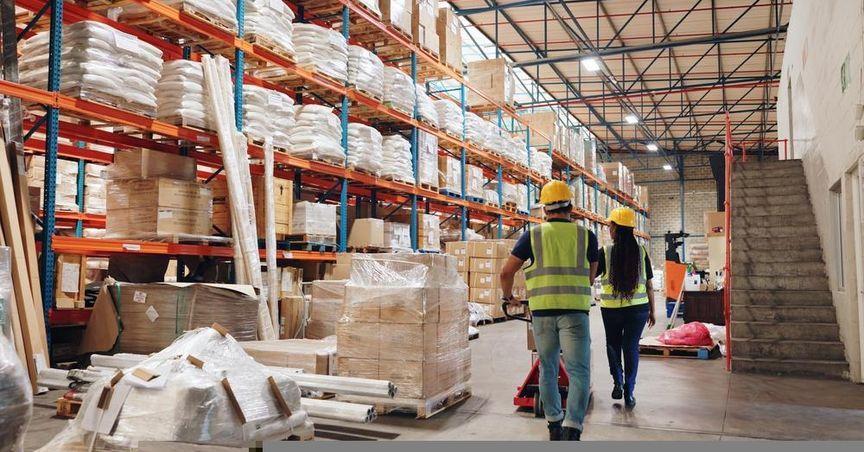
Supply chain management plays a central role in maintaining product availability. Distribution centers, logistics coordination, and supplier relationships enable efficient movement of goods from producers to retail shelves. Seasonal demand variations and consumer preferences influence inventory planning and merchandising decisions.
Market Activity and Sentiment
Recent commentary from financial institutions has reflected a more cautious tone toward Metro (TSX:MRU), accompanied by adjustments to valuation benchmarks. Such developments often shape broader market sentiment, particularly within defensive retail categories where stability and demand resilience are closely monitored.
In the middle portion of this discussion, the s&p tsx composite context highlights how large-cap retail entities are assessed alongside peers within the Canadian market. Movements within this index grouping frequently mirror macroeconomic conditions, including consumer spending patterns and inflationary pressures affecting essential goods.
Trading activity has shown fluctuations aligned with these broader dynamics. Retail companies within the defensive segment often demonstrate comparatively steady demand, though competitive pressures and cost structures can influence overall performance trends.
Financial Structure and Operational Efficiency
Retail and pharmacy businesses typically operate with structured cost frameworks involving procurement, distribution, and store operations. Metro maintains a financial profile characterized by consistent revenue generation from essential goods, supported by recurring customer demand.
Efficiency measures focus on inventory turnover, supply chain optimization, and cost control within store networks. Margins within grocery retail are generally narrower compared with other sectors, making operational discipline a key factor in sustaining performance.
Balance sheet considerations include working capital requirements tied to inventory and supplier payments. Liquidity management ensures continuity of operations, particularly during periods of fluctuating demand or supply chain disruptions.
Ownership Trends and Governance
Ownership structures in large retail companies often include institutional participation alongside internal stakeholders. Recent share transactions involving company insiders have been disclosed, reflecting changes in ownership positions over a defined period.
Such activity is monitored within public disclosures, providing transparency regarding governance-related developments. Interpretations of these transactions vary depending on broader market conditions and internal corporate strategies.
Governance frameworks within the retail sector emphasize compliance, supply chain ethics, and consumer protection standards. Regulatory oversight ensures adherence to food safety requirements, pharmaceutical guidelines, and fair trading practices.
Competitive Landscape and Industry Position
Metro (TSX:MRU) operates within a competitive retail environment that includes national chains, regional grocers, and discount retailers. Differentiation strategies involve pricing models, store formats, and private-label product offerings tailored to diverse consumer preferences.
Pharmacy operations add another dimension to the competitive landscape, with services extending beyond retail to include healthcare-related offerings. Integration of pharmacy and grocery segments provides operational synergies and broader customer engagement.
Technological adoption has become increasingly relevant, with digital platforms supporting online ordering, delivery services, and inventory management. These developments aim to enhance customer convenience and operational efficiency within retail networks.
At the end of this discussion, the s and p tsx index reference underscores Metro’s position within a broader framework of Canadian large-cap companies. Performance within this grouping reflects ongoing developments across the consumer defensive sector, shaped by evolving consumption patterns and economic conditions.
