
 AUS
AUS
 NZ
NZ
 UK
UK
 CA
CA
 USA
USA
 IND
IND






Highlights
- Canadian equities reach new highs amid U.S. job market weakness and government shutdown.
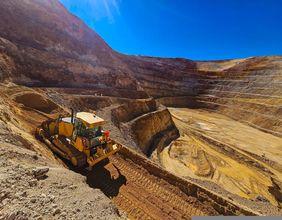
- Materials sector gains momentum with Barrick Gold (TSX:ABX) driving gold-linked strength.
- Broader global uncertainty continues to lift commodities and reshape market direction.
The S&P Composite Index extended its gains to fresh record territory, with Canada’s main equity benchmark reflecting resilience despite mounting global headwinds. Investors in Toronto tracked both domestic signals and developments south of the border, where a U.S. government shutdown and softer labour market readings failed to dampen equity momentum. The rally in materials played a key role, with Barrick Gold (TSX:ABX) standing out as gold prices surged on safe-haven demand.
Amid shifting dynamics, Canada’s financial landscape absorbed interest rate decisions, trade uncertainties, and fluctuating commodity values. Each element added depth to the narrative of how equity markets continue to react under pressure.
What are the top rising trends this week?
This week, Canadian equities advanced strongly, signalling confidence even as underlying global risks persisted. Several clear themes emerged:
-
Record Equity Levels in Canada
The Canadian benchmark surpassed the 30,000-point mark, closing at 30,107.67. This milestone was particularly significant as it coincided with uncertainty in the U.S. job market. -
Strength in Materials
The materials sector provided strong upside momentum. Precious metals, especially gold, captured heightened attention as global uncertainties reinforced safe-haven demand. -
Interest Rate Sensitivity
Following the Bank of Canada’s rate cut to 2.5%, markets recalibrated expectations regarding borrowing costs and capital flows. A lower policy rate reinforced domestic demand but highlighted the central bank’s cautious tone amid weaker growth. -
Cross-Border Policy Impacts
U.S. developments, from tariff spillovers to labour market readings, continued to influence Canadian sentiment. The shutdown in Washington and ADP’s job survey data both played into sector allocations and capital positioning. -
Commodities as Anchors
Crude oil hovered near US$61.78 a barrel, while gold surged toward US$3,897.50 an ounce. Commodities acted as stabilizers for Canadian markets, reinforcing sectoral leadership in resources.
Which companies experienced notable movements?
Equity rallies were not evenly spread across industries. Certain companies, closely tied to commodities and global trade, took the spotlight:
-
Barrick Gold (TSX:ABX) – A global gold producer with operations across multiple continents, Barrick benefited from heightened bullion demand. With gold prices climbing by more than US$24 in a single session, its market presence provided weight to the broader index.
-
Suncor Energy (TSX:SU) – A leading integrated energy company, Suncor faced the impact of weaker crude oil pricing. Its performance reflected broader sector volatility as global oil demand concerns balanced against Canadian energy resilience.
-
Shopify (TSX:SHOP) – A major player in e-commerce and digital infrastructure, Shopify remained closely watched. Its valuation continued to be influenced by shifts in technology sentiment, consumer activity, and exchange rate trends.
-
Nutrien (TSX:NTR) – As the world’s largest provider of crop inputs and services, Nutrien’s position tied directly to commodity cycles. Fertilizer pricing and agricultural trade flows shaped its near-term performance within the index.
-
Canadian National Railway (TSX:CNR) – With extensive rail operations across Canada and the U.S., CNR reflected the broader trade and logistics narrative. The U.S. shutdown raised questions over freight activity and supply chain continuity, making the railway sector an important bellwether.
Each of these entities demonstrated the interconnectedness of global commodities, cross-border policies, and domestic resilience.
How are market sentiments shaping industry direction?
Market sentiment played a central role in shaping industry outlooks. The dominant trends were driven not by speculation but by observable flows and factual adjustments:
-
Safe-Haven Preferences
Gold became a key recipient of investor demand. Rising prices translated into upward moves for mining companies. This trend was tied to the uncertainty surrounding U.S. fiscal policy, global tariff regimes, and currency fluctuations. -
Consumer Sensitivity to Inflation
Higher tariff-related costs in the U.S. raised concerns about consumer purchasing power. Canadian companies in consumer-linked industries saw varying degrees of sentiment-driven shifts, depending on exposure to imports and supply chain tariffs. -
Industrial Demand Shifts
Railway operators and logistics firms saw sentiment tied to freight outlooks. The U.S. labour market contraction directly influenced industrial transport expectations, with ripple effects on Canadian trade. -
Currency Movements
The Canadian dollar’s dip to 71.74 cents US influenced export-heavy industries. A weaker domestic currency provided some relief to exporters, but raised import costs across consumer and industrial sectors. -
Monetary Policy Sensitivity
With the Bank of Canada emphasizing weaker economic activity and tariff impacts, interest rate shifts played into financial sector positioning. Lower borrowing costs fed into credit-sensitive industries, though margins remained compressed.
What role do global developments play?
Canada’s markets remained tightly connected to global forces, reinforcing how external pressures shape domestic equities:
-
U.S. Government Shutdown
The shutdown delayed official jobs data, reinforcing reliance on third-party reports such as ADP’s employment survey. This created uncertainty for cross-border investors but also boosted demand for safe assets like gold. -
U.S. Labour Market Weakness
The reduction of 32,000 jobs outside the government sector highlighted cracks in the U.S. economy. For Canadian exporters, this carried implications for demand as U.S. consumers and businesses adjusted spending. -
Tariff Dynamics
Continued tariff-related headwinds played into both Canadian and U.S. growth metrics. Canadian policymakers recognized that retaliatory tariffs had diminished, but uncertainty lingered, influencing investment strategies. -
Commodity Price Movements
Oil and gold were central to Canada’s index performance. Volatility in energy pricing weighed on producers, while the surge in gold prices amplified gains for miners. This contrast underscored sectoral divergence within the index. -
Monetary and Fiscal Interplay
The Bank of Canada’s rate cut aligned with broader global easing measures. By highlighting weaker GDP growth rates, the central bank underscored how interconnected trade disruptions and fiscal uncertainties were.
Broader Industry and Market Trends
Beyond company-level performance, broader industry themes continued to emerge:
-
Resilience of the Materials Sector
Mining and metals remained the bedrock of Canadian equity strength. With bullion leading the charge, the materials sector established itself as the growth driver. -
Technology’s Stabilizing Role
Even as e-commerce giants adjusted valuations, the presence of Canadian technology leaders provided balance. Digital infrastructure maintained relevance against shifting retail and supply chain backdrops. -
Energy Price Volatility
Oil price softness remained a recurring theme. Producers navigated global demand concerns, while integrated firms sought balance through downstream operations. -
Financial Sector Adjustment
The quarter-point rate cut demonstrated both opportunity and caution. Financial institutions adapted to lower rates, managing margins while addressing demand for credit. -
Cross-Border Sensitivity
Trade, tariffs, and U.S. political developments underscored the vulnerability of Canada’s open economy. Equity movements reflected the continuous link between domestic fundamentals and global shifts.
