
 AUS
AUS
 NZ
NZ
 UK
UK
 CA
CA
 USA
USA
 IND
IND





Highlights
- Phoenix uranium project status has shifted to construction ready, with engineering and permitting work largely complete and only remaining regulatory steps pending.
- Market enthusiasm has strengthened recently, while the company continues to report a net loss that shapes sentiment around operating progress.
- Valuation indicators can appear mixed for a uranium developer, with asset based measures and long range modelling often pointing in different directions.
Denison Mines operates in the energy and resources segment, with a specific focus on uranium. Uranium developers commonly sit within the broader materials and energy linked ecosystem.
Denison Mines (TSX:DML) operates in Canada’s uranium segment, where progress is shaped by exploration results, engineering readiness, permitting milestones, and the shift from planning into construction and eventual production. In this space, sentiment can change quickly when a flagship asset advances through major development steps. For the Phoenix in situ recovery project has been described as construction ready, placing it among more advanced uranium developers compared with many earlier stage explorers, while still being viewed in the broader context of the s&p tsx composite index.
What makes Phoenix distinct?
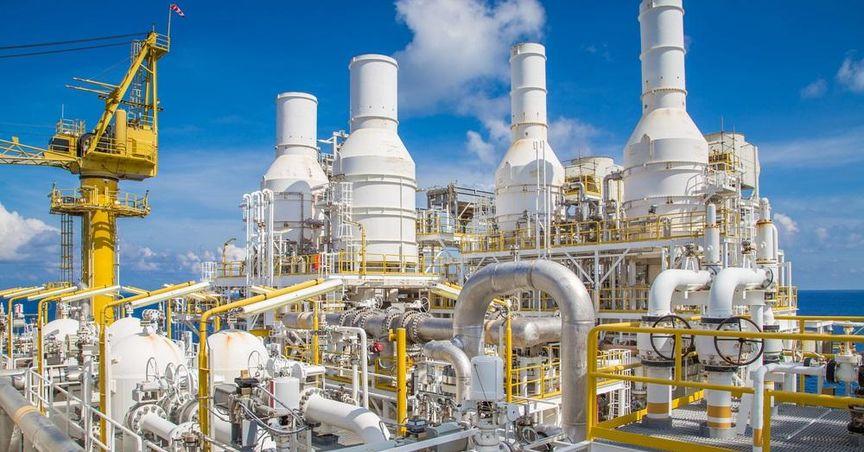
Phoenix is an in situ recovery uranium project, a method that differs from traditional mining by using wellfields and solution circulation rather than large scale open pit or underground extraction. This approach is often discussed as having a smaller surface footprint and a development pathway that leans heavily on hydrogeology, wellfield design, and tight environmental controls.
Denison has communicated that Phoenix is now construction ready, meaning key engineering and permitting work is largely completed, with remaining steps tied to final regulatory approvals. This project status is significant for because it indicates readiness for a formal build decision once approvals are secured.
How advanced is regulatory work?
The construction ready stage is closely tied to regulatory sequencing. For uranium projects, licensing and approvals typically involve multiple layers of review, including environmental requirements, community engagement expectations, and technical safety frameworks. These processes can extend timelines, even when technical and engineering work is mature.
In Denison’s (TSX:DML) case, the company has indicated that much of the foundational documentation and preparation work is already in place, and that only final regulatory approvals remain before a formal construction decision becomes possible. For this positions Phoenix closer to execution, rather than remaining purely a planning stage asset.
Why did market interest rise?
Recent market momentum has been strong, reflecting heightened attention on uranium names and project milestone news. The construction ready description can act as a catalyst because it reduces uncertainty around whether a project can realistically transition into a build phase, even though final approvals still matter.
This momentum has also been supported by broader sentiment around uranium supply security, nuclear fuel demand narratives, and the value markets place on advanced stage assets. For the combination of project readiness and sector attention has contributed to heightened visibility.
How do indices influence context?
Canadian listed resource developers are often compared against major market indices that track broad equity conditions. These benchmarks help frame whether a move reflects company specific developments, sector wide themes, or a broader market swing. References frequently include the TSX Composite Index and related measures that reflect Canadian market direction.
For context, the TSX Composite Index is a widely followed Canadian benchmark often used to compare performance trends across the market. Broader index comparisons may also reference the s&p tsx composite index as a point of market context for Canadian equities.
What role do smallcaps play?
Many uranium developers fall into the smallcap category due to their development stage nature, reliance on asset milestones, and funding requirements tied to project progress. In Canada, smallcap index comparisons can provide an additional lens on whether a company’s movement is aligned with smaller capitalization trends or driven by company specific events.
A commonly cited benchmark in this space is the TSX Smallcap Index, which can help frame how smaller Canadian listed companies are performing relative to the broader market. For smallcap comparisons can matter because advanced stage developers may trade differently from early exploration names.
What does book value show?
Book value based valuation measures compare market capitalization to the accounting value of net assets. This approach is frequently used when earnings measures are less informative, particularly for developers still progressing toward production. Uranium developers often show large differences between market valuation and asset carrying values due to project expectations and long build cycles.
Denison (TSX:DML) has been described as trading at a high price to book ratio relative to certain peer and industry references. For that framing implies the market assigns a premium to its asset base, likely linked to Phoenix’s advanced development position and the perceived importance of regulatory progress.
Why can metrics conflict?
A key feature of uranium developers is that different valuation frameworks can deliver very different signals. Asset based measures like price to book can appear elevated, especially when the market places significant value on project readiness. Meanwhile long range modelling approaches can output values that diverge sharply depending on assumptions around production timing, operating costs, capital requirements, and regulatory timelines.
This is why some valuation conversations describe a contrast between premium multiples and modelling based estimates that point to materially different implied value outcomes. For that contrast is amplified because the Phoenix construction ready update improves project credibility, while the company’s financial statements still reflect a development stage profile.
What does the DCF lens do?
Modelling attempts to estimate a company’s worth based on projected over time. This method can produce a large implied valuation for a developer if assumptions include successful project development, operational stability, and sustained demand for uranium production.
At the same time, the DCF lens can be highly sensitive. Small shifts in development timelines, operating assumptions, financing expectations, or regulatory pathways can materially change the implied value output. For DCF based discussion can therefore appear optimistic or conservative depending on the scenario inputs used, even when the underlying project facts remain the same.
Part Three
What do losses indicate today?
Denison (TSX:DML) has reported a net loss figure in its financial reporting, which is common for development stage resource companies that are not yet in production. Such results reflect ongoing project development costs, corporate expenses, and accounting adjustments tied to the broader portfolio.
For the presence of net losses can shape how the market evaluates progress. Some participants emphasize that development stage losses are expected while projects advance, while others focus on the importance of reaching construction and production stages to transition toward operating strength.
What remains before construction?
Even at a construction ready stage, a uranium project still requires final regulatory approvals before a formal construction decision can proceed, and these approvals usually involve detailed technical evaluation, environmental safeguards, and compliance checks tied to operational safety standards and ongoing monitoring requirements, while broader Canadian market context is often tracked through the s&p composite index.
Phoenix being construction ready signals that technical and permitting groundwork is substantially complete, but the remaining regulatory step is still essential. For this means the next phase is defined less by engineering readiness and more by regulatory completion.
