
 AUS
AUS
 NZ
NZ
 UK
UK
 CA
CA
 USA
USA
 IND
IND



Highlights
ASX indices reflect mixed movement across global and domestic markets.
Resource and financial sectors contribute to broader index activity.
Large-cap companies influence overall market direction.
ASX market reflects mixed global signals, with ASX 50, and All Ordinaries highlighting sector participation across resources, financials, and technology.
The Australian equity market spans multiple sectors including financials, resources, and industrial companies, all contributing to the performance of indices such as the ASX 50, and ASX 200. These indices capture the activity of leading companies and provide insight into overall market direction. Movements across these benchmarks often reflect the interaction between global developments and domestic sector performance.
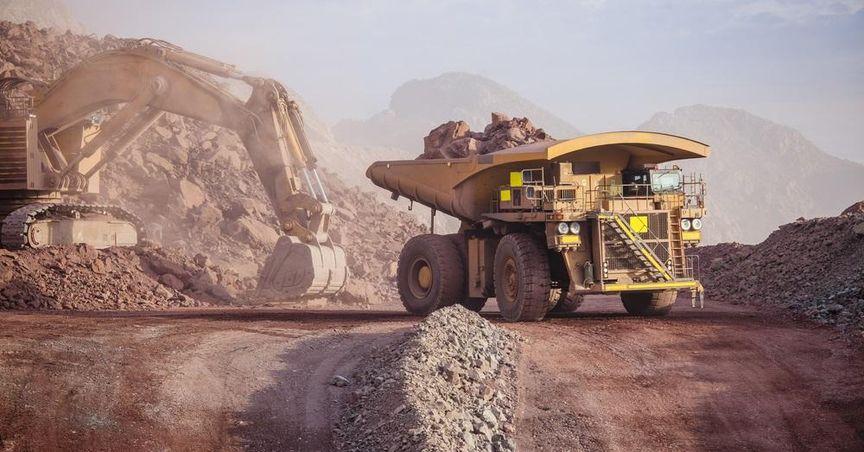
BHP Group (ASX:BHP) operates within the resources sector and remains a major contributor to index composition. Its presence highlights the importance of commodity-driven industries within the Australian market. Alongside other large-cap companies, its activity reflects how sector developments influence broader index movement.
Global Market Influence on Australian Equities
Global market developments play a significant role in shaping the direction of the Australian equity market. International indices often reflect economic conditions that influence domestic companies, particularly those engaged in global trade and commodity production.
Australian companies operate within interconnected global systems, where changes in international demand and supply influence operations across sectors. Economic developments, geopolitical conditions, and shifts in global trade patterns all contribute to market activity.
The interaction between global markets and domestic indices highlights the importance of monitoring international trends. Companies adapt their operations to align with these developments, ensuring continuity within changing economic environments.
The broader market, including companies within the ASX All Ordinaries, reflects this integration, where global and domestic factors combine to shape overall activity.
Resource Sector and Commodity Market Activity
The resource sector is a key component of the ASX, encompassing companies involved in mining and energy production. These businesses supply essential commodities that support industrial activity and infrastructure development across global markets.
BHP Group represents a leading participant within this sector, operating large-scale mining projects that contribute to global supply chains. Resource companies adjust their operations based on demand conditions, production capacity, and external influences.
Commodity markets are shaped by factors such as industrial demand, infrastructure development, and geopolitical developments. These influences affect how resource companies manage production and distribution, contributing to overall market activity.
The integration of resource companies within the ASX highlights their importance in supporting economic systems and maintaining supply chains across industries.
Financial Sector and Market Stability
The financial sector plays a central role in maintaining market stability and supporting economic activity. Banks and financial institutions provide essential services such as lending, capital management, and payment systems.
Financial companies are among the largest contributors to major indices, influencing overall market direction through their scale and operational reach. Their performance is closely linked to economic conditions, including interest rate settings and consumer activity.
The interaction between financial institutions and other sectors highlights the interconnected nature of the market. Financial services support businesses across industries, enabling investment and operational continuity.
The sector also aligns with broader categories such as ASX dividend stocks, reflecting structured financial participation within the market.
Technology and Industrial Sector Contributions
Technology and industrial sectors contribute to the diversity of the ASX, reflecting developments in digital services and production systems. Technology companies focus on innovation, developing platforms that enhance connectivity and data management.
Industrial companies support manufacturing and logistics, ensuring that goods are produced and distributed efficiently. These sectors operate within structured frameworks that emphasise operational efficiency and scalability.
The integration of technology within industrial processes highlights the role of digital transformation in modern markets. Companies leverage advanced tools to enhance productivity and improve service delivery across sectors.
This interaction between sectors contributes to the resilience of the market, where companies adapt to evolving conditions and maintain operational continuity.
Market Representation and Sector Integration
The ASX reflects a diversified market structure where multiple sectors contribute to overall activity. Financials, resources, technology, and industrial companies operate within a shared economic environment, shaping index performance.
Indices such as the ASX 20, ASX 50, and ASX 200 provide a comprehensive view of market activity, capturing the performance of leading companies. Their composition reflects the balance between different sectors, ensuring representation across the economy.
Sector integration highlights how developments in one industry can influence others, creating a network of interconnected activities. Companies adjust their strategies to align with these dynamics, ensuring operational consistency.
The ongoing activity within the ASX demonstrates the dynamic nature of the market, where global influences and domestic developments shape overall trends across sectors.
