
 AUS
AUS
 NZ
NZ
 UK
UK
 CA
CA
 USA
USA
 IND
IND




Highlights
- Refiners move differently from producers.
- Crude trends shape refining margins.
- Downstream energy names stay active.
Refiners remain important as crude trends shift, with downstream operators focused on processing, product demand, spread dynamics, and operational scale across the energy value chain.
Refiners are drawing fresh attention as the crude picture shifts and the broader energy market adjusts to a calmer backdrop. Unlike exploration companies that focus on finding and producing oil, downstream operators process crude into fuels and products used across transport, industry, and daily life. Valero Energy (NYSE:VLO) stands out in this refining discussion as markets reassess how downstream businesses respond when crude trends soften and energy sentiment changes.
The company is also being monitored within the broader NYSE Composite, where energy demand, refining margins, fuel consumption trends, and commodity-market developments remain important factors influencing sector performance.
Refining Market Shift
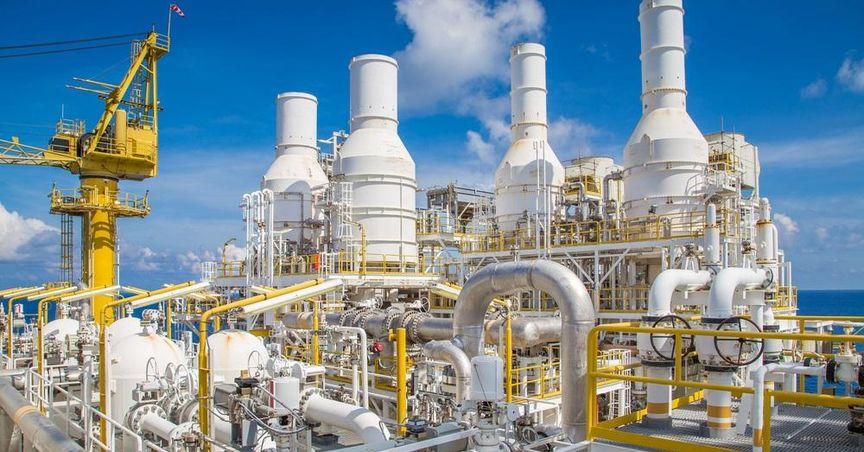
The refining corner of the energy market has its own rhythm. While crude producers are directly tied to drilling activity and production levels, refiners sit later in the energy chain. Their role begins after crude is produced, when raw oil is converted into gasoline, diesel, jet fuel, and other refined products.
This downstream position gives refiners a different market profile. A softer crude backdrop can change input costs, product spreads, and operating conditions. That does not make the business simple, but it does make it distinct from upstream energy production.
For readers tracking Energy Stocks, refiners represent a specialized segment where processing, distribution, and product demand matter as much as crude direction.
Crude Price Context
Crude prices influence the entire energy chain, but their impact is not uniform. For upstream companies, crude prices are closely linked to production revenue. For refiners, crude is a key input cost.
This difference helps explain why refining names can behave differently from integrated majors and exploration-focused firms. When crude eases, the downstream conversation often shifts toward how processing margins, product demand, and refinery utilization may respond.
The current backdrop has placed that distinction back into focus. A calmer crude environment has encouraged market participants to look more closely at the companies that turn raw oil into usable fuels.
Downstream Role
Downstream companies occupy a practical place in the economy. Their facilities process crude into the fuels that power vehicles, aircraft, industrial machinery, and supply chains.
This gives the segment broad economic relevance. Refined products remain central to transportation and commerce, even as the energy system gradually evolves.
Refiners also operate in a business where timing, logistics, maintenance, product pricing, and regional demand can all influence performance. The sector is shaped not only by crude prices but also by how efficiently companies manage complex refining networks.
Valero Energy Focus
Valero Energy is a major refining and downstream company with operations centered on processing crude oil into transportation fuels and other refined products.
The company is frequently associated with the refining segment because of its large processing footprint and its role in supplying fuel markets. Its business model is built around converting crude into products that move through the economy.
Valero’s position reflects the core downstream model. Rather than focusing mainly on crude extraction, the company’s operations depend on refinery scale, product demand, logistics, and the spread between crude input costs and refined product values.
Marathon Petroleum Profile
Marathon Petroleum (NYSE:MPC) is a major downstream energy company involved in refining, marketing, and transportation of refined petroleum products.
The company is another key name in the refining discussion because of its significant downstream network and broad operating reach. Its activities span processing crude, distributing refined products, and supporting fuel supply chains across major markets.
Marathon Petroleum’s role highlights how refining companies can differ from traditional oil producers. The company’s business is tied to product flows, refinery efficiency, and downstream demand rather than only crude production.
Spread Driven Business
The refining business is often understood through the spread between crude costs and refined product values. This spread helps shape the economics of turning raw oil into usable fuels.
When crude moves, refiners must manage the relationship between input prices and end-product demand. A lower crude backdrop may reduce feedstock costs, but product pricing and demand conditions remain equally important.
That is why refiners often move to their own beat. The market does not assess them only through crude direction. It also weighs fuel demand, refinery outages, seasonal product needs, and operating discipline.
Product Demand Matters
Refined products remain essential to daily economic activity. Gasoline supports personal travel. Diesel powers freight, logistics, and heavy equipment. Jet fuel remains critical for aviation.
Because of this wide use, downstream companies remain connected to the real economy in a direct way. Refiners are not just energy-market participants; they are part of the infrastructure that keeps goods and people moving.
Still, demand patterns can shift. Travel activity, industrial movement, weather conditions, and broader economic sentiment can all influence refined product consumption.
Operating Scale Counts
Scale is important in refining. Large operators can manage complex refinery systems, distribution networks, and product flows across multiple regions.
Scale can also help companies handle maintenance cycles, regional supply imbalances, and changes in product demand. Refiners with broad networks may be better positioned to adjust operations when crude or product markets shift.
Both Valero and Marathon Petroleum are recognized because of their scale within the downstream segment. Their size gives them a central place in refining discussions whenever crude trends change.
Sector Risks Remain
Refining is not without challenges. The business is exposed to crude volatility, product demand swings, operating costs, regulation, and maintenance requirements.
Refinery operations are capital-intensive and complex. Facilities require careful management, safety oversight, and consistent investment to remain efficient and reliable.
Policy changes can also shape the downstream landscape. Fuel standards, environmental rules, and energy-transition priorities can influence long-term planning across the refining sector.
Energy Transition Impact
The energy transition adds another layer to the refining story. While refined fuels remain essential, the broader energy system is gradually changing.
Electric vehicles, renewable fuels, efficiency improvements, and cleaner energy policies are influencing how refiners think about future demand. Some downstream companies have responded by exploring renewable diesel, lower-carbon fuels, and operational improvements.
Even with these shifts, traditional refined products continue playing a major role in transportation and industry. That balance between current demand and long-term transition remains a defining theme for the sector.
Market Sentiment Watch
Market sentiment toward refiners can shift quickly. A softer crude backdrop may bring fresh attention to downstream margins, while stronger crude can reshape the broader energy discussion.
Refiners are also influenced by broader risk appetite. When energy markets stabilize, attention often moves toward companies with operational leverage to product spreads and fuel demand.
This makes the refining segment a recurring focus during changing crude cycles. The group can attract attention even when the broader oil market is moving through a softer phase.
Refining Outlook Ahead
The downstream energy segment remains important because it connects crude supply with everyday fuel demand. Refiners sit between raw oil and gas stock products used across transportation, logistics, and industry.
Valero and Marathon Petroleum remain central names in this discussion because they represent large-scale refining operations with meaningful downstream exposure.
As crude trends shift, the refining story will likely continue revolving around product spreads, demand stability, operating efficiency, and the sector’s role in a changing energy landscape.
