
 AUS
AUS
 NZ
NZ
 UK
UK
 CA
CA
 USA
USA
 IND
IND




Highlights
- TechnipFMC operates across subsea systems and surface technologies for global energy projects.
- Offshore development activity connects the company with changing global energy supply requirements.
- The company remains part of the S&P 500 landscape through its energy services role.
TechnipFMC (NYSE:FTI) operates within the energy services sector, providing subsea equipment, engineering services, and surface technology solutions for offshore and onshore energy projects. The company serves operators involved in developing oil and gas resources across multiple geographic regions, with activities spanning deepwater fields, offshore infrastructure, and well completion systems. As part of the broader S&P 500 environment, the business represents the specialised industrial capabilities supporting global energy production.
The company combines manufacturing expertise with project execution capabilities, creating integrated solutions for complex offshore developments. Its operations include subsea production systems, installation services, and equipment used in offshore field development.
Subsea Technologies and Offshore Infrastructure
The subsea segment forms a central part of the business, focusing on equipment placed on the seabed to connect offshore wells with production facilities. Products include subsea trees, manifolds, control systems, umbilicals, risers, and flowlines. These components allow energy operators to extract resources from deepwater locations where conventional surface infrastructure is not practical.
Deepwater projects require advanced engineering due to environmental conditions, water depth, and technical complexity. Subsea systems are designed to operate for extended periods while supporting production from offshore reservoirs. The company also provides installation services through specialised vessels and project teams that manage deployment activities.
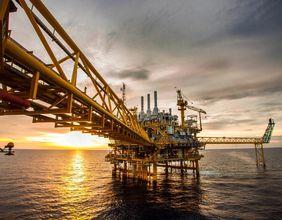
Offshore development has expanded across regions including Brazil, West Africa, the Gulf of Mexico, and Asia-Pacific. These areas have become important locations for subsea infrastructure projects due to large offshore resource bases and ongoing field development activities.
Surface Technologies and Well Equipment
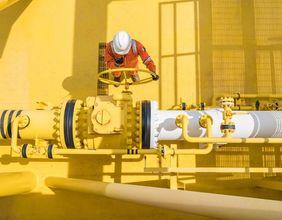
Alongside subsea operations, the surface technologies division provides equipment used in onshore and shallow-water applications. This includes wellhead systems, pressure control equipment, and related technology supporting drilling and completion activities.
Surface equipment serves a different part of the energy services market compared with deepwater projects. While subsea developments often involve multi-year planning and construction periods, surface activities can respond more quickly to changes in drilling activity levels.
The combination of subsea and surface operations gives the company exposure to different parts of the global energy supply chain. The business supports both large offshore developments and shorter-cycle well activities through its technology portfolio.
Offshore Development and Energy Infrastructure
Global energy infrastructure depends on specialised equipment providers capable of supporting exploration, development, and production activities. Offshore fields require extensive networks of underwater equipment before production can begin, creating demand for engineering and manufacturing expertise.
The company is included among Energy Stocks due to its connection with the energy services industry. Unlike producers that extract resources directly, service companies provide the equipment and technical capabilities required by energy operators.
Recent attention around shipping routes and supply security has highlighted the importance of diversified energy infrastructure. Offshore developments outside traditional producing regions continue to require advanced subsea systems, particularly in areas with challenging geological conditions.
Project Execution and Industrial Capabilities
Large offshore projects require coordination across engineering, manufacturing, logistics, and installation activities. The company focuses on delivering complete subsea solutions rather than individual components alone. This integrated approach involves designing equipment packages, producing systems, and supporting installation activities at offshore locations.
Project execution depends on specialised manufacturing facilities, technical expertise, vessel availability, and supply chain coordination. Equipment used in offshore environments must meet strict operational requirements because repairs or replacements can be difficult once systems are installed underwater.
The companys industrial capabilities connect with broader manufacturing and infrastructure trends across the S&P 500 market environment. Energy services providers contribute to the physical systems required for global resource development.
Global Presence and Industry Position
Operations extend across major offshore regions, allowing the company to participate in projects across different energy markets. The geographic spread includes activity in areas where offshore production remains an important part of regional energy supply.
The subsea industry includes several specialised providers competing through engineering capability, manufacturing capacity, project delivery experience, and technical innovation. Companies operating in this field must maintain advanced equipment standards and manage complex international projects.
The energy services sector has experienced changing conditions over recent years as offshore activity levels, commodity markets, and global energy requirements have shifted. Service providers continue adapting their operations to changing project requirements and customer demand.
Technology Development and Operational Trends
Technological development remains an important part of offshore energy services. Advances in subsea equipment design, digital monitoring systems, and installation methods have improved the ability to manage complex offshore environments.
Automation and improved data systems are increasingly used to monitor equipment performance and support maintenance activities. These technologies help operators manage offshore assets that may remain active for several decades.
The broader industrial landscape represented by the S&P 500 includes companies involved in technology, manufacturing, and infrastructure development. Energy service providers contribute specialised capabilities within this wider economic framework.
