
 AUS
AUS
 NZ
NZ
 UK
UK
 CA
CA
 USA
USA
 IND
IND






Highlights
- MP Materials (NYSE:MP) remains central to efforts to strengthen domestic rare earth mining, processing and magnet manufacturing.
- Global trade tensions and export restrictions continue to influence the rare earth and magnet materials industry.
- The company operates the nation's largest rare earth mine while expanding downstream processing and magnet production capacity in the United States.
MP Materials sits at the heart of a national effort to rebuild rare earth capacity at home, drawing renewed market attention as magnet supply, trade friction, and processing ambitions converge across the metals and mining space.
MP Materials (NYSE:MP) is once again drawing close attention across the metals and mining space this Monday, as the broad push to secure rare earth supply at home keeps the company near the center of a story that has grown far larger than any single mine. The interest reflects a stretch in which magnet materials, trade friction with major producers abroad, and a widening national effort to rebuild domestic capacity have all pulled toward the same set of names. For a firm that runs the largest rare earth operation in the country, that convergence has kept its work in steady view.
Rare earth elements form a group of seventeen metals that rarely make headlines on their own, yet they sit inside a striking range of everyday and advanced products. They give permanent magnets their strength, and those magnets turn up in electric motors, wind turbines, hard drives, medical scanners, robotics, and a long list of defense systems. Because the elements are difficult to mine cleanly and even harder to separate and refine, the supply chain that turns raw ore into finished magnets has historically clustered in a small number of places. That concentration is exactly what has drawn so much focus toward companies working to spread the chain across new regions.
The Mountain Pass Operation
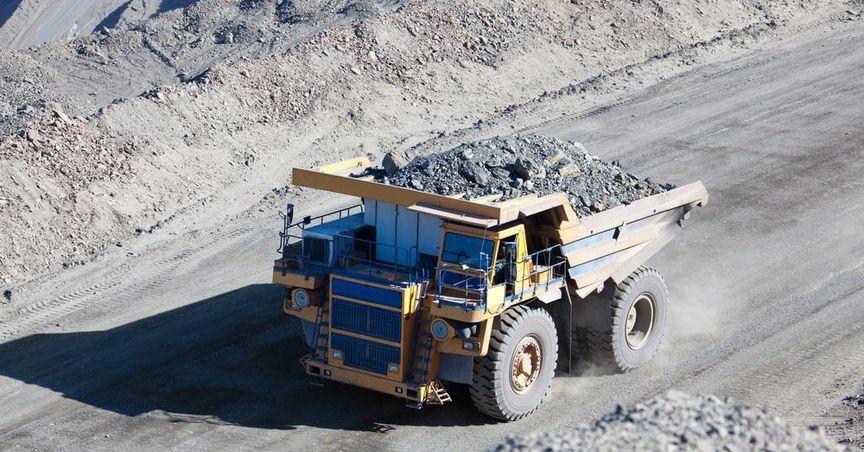
At the core of the MP Materials story is Mountain Pass, a mine and processing site in California that stands as the only operating rare earth mine of scale in the country. The site pulls ore rich in light rare earth elements, with neodymium and praseodymium among the most sought after because of their role in high-strength permanent magnets. For years, much of the concentrate mined at such sites was shipped abroad for separation and refining, since the chemical steps that split the elements apart are complex and demand specialized facilities.
MP Materials has spent a long stretch working to change that pattern by bringing more of the chain onto home soil. Rather than mine ore and send it away, the company has built out separation capacity at Mountain Pass so that it can produce separated rare earth products directly. That shift matters because the value in rare earths tends to sit downstream, in the refined oxides, the metals, the alloys, and finally the magnets. A firm that can move ore through more of those stages captures more of the chain and depends less on distant facilities to finish the job.
The company has extended this ambition beyond the mine itself. It has been developing magnet production capacity at a site in Texas, aiming to close the loop from mined ore to finished magnets within the country. That magnet plant represents a meaningful step, because the ability to make the finished magnet, and not merely the refined material that goes into it, is the part of the chain that has been hardest to rebuild outside the dominant producing regions. If mined material, separated oxides, metal, alloy, and magnet can all be handled domestically, the chain becomes far more self-contained.
Magnet Supply Security Matters Now
The wider backdrop has grown sharper in recent months. Magnet supply security has climbed the agenda as trade friction between major economies has spilled into the materials that feed advanced manufacturing. Export restrictions abroad have added uncertainty to the flow of rare earth materials and the equipment used to process them, and that uncertainty has pushed manufacturers and officials alike to look harder at where their magnets originate. When a material is essential to motors, defense hardware, and clean energy gear, any wrinkle in its supply tends to ripple widely.
That environment has kept MP Materials in a distinctive spot. As the largest domestic producer, the company is naturally tied to any conversation about reducing dependence on foreign processing. Support arrangements involving federal bodies and a long-term supply agreement with a major consumer electronics maker have underscored how strategic the companys output has become. These arrangements point to a broader pattern in which large buyers and public bodies are willing to lock in domestic magnet material rather than rely solely on distant sources that could face trade barriers.
At the same time, the same trade friction that raises the strategic value of domestic supply also introduces exposure. Restrictions abroad can complicate access to certain equipment, reagents, and processing know-how that the global chain has long shared. A company building capacity at home must navigate those constraints while it scales, and that balance between strategic pull and operational exposure has been a recurring theme in how the market reads the story.
The Competitive And Legal Landscape
MP Materials does not operate in isolation. A cluster of firms has formed around the goal of rebuilding rare earth and magnet capacity outside the dominant producing regions, and the field has grown more crowded and, at times, more contentious. USA Rare Earth has emerged as one name in that field, working on its own magnet ambitions, and the relationship between the two has turned adversarial through a legal dispute over proprietary magnet technology. Grain boundary diffusion, a technique used to improve magnet performance, sits at the center of that quarrel, a reminder that the know-how behind high-grade magnets is as guarded as the mined material itself.
The rivalry underscores a larger point about the sector. Mining ore is only the first step, and the hardest edge of the business often lies in the specialized processing and metallurgy that turn oxides into magnets that meet demanding specifications. Firms that own or develop that know-how guard it closely, and disputes over technology and talent are a natural feature of a field trying to stand up capabilities that were long concentrated elsewhere.
Beyond the rare earth specialists, the broader metals and mining group offers useful context for how commodity-linked producers move through cycles. Steelmakers such as Nucor (NYSE:NUE), Cleveland-Cliffs (NYSE:CLF), and Steel Dynamics (NASDAQ:STLD) face their own swings tied to construction, automotive demand, and trade measures, while aluminum producer Alcoa (NYSE:AA) contends with energy costs and global oversupply. Rare earth names carry a different flavor because their materials are so concentrated and so strategically charged, yet they share the underlying reality that commodity producers live with price swings, capital-heavy build-outs, and long lead times before new capacity comes fully online. Those tracking the metals and mining space often watch how these varied producers weather the same broad forces of demand, trade, and cost.
For a closer look at how these names sit within the broader group, readers can explore more coverage of Metals and Mining Stocks and the way commodity cycles shape the companies that mine and refine essential materials.
Operations, Scale, And The Path Downstream
The operational heart of MP Materials remains the steady work of mining and separation. Record production volumes reported in the materials segment earlier in the year pointed to progress in scaling output, and the company has framed its trajectory around moving more material through each successive stage of the chain. The logic is straightforward. A mine that only ships concentrate captures a modest slice of the eventual magnet value, while a firm that separates, refines, converts to metal, forms alloys, and finally presses magnets captures far more and controls far more of its own destiny.
Getting there is capital-heavy and slow. Building separation trains, metal-making capacity, and magnet lines demands large spending and long commissioning periods, and each stage carries its own technical hurdles. Separation chemistry must be tuned to the specific mix of elements in the ore. Metal-making and alloying require careful control of composition and impurities. Magnet pressing and finishing demand precision to hit the performance grades that motor and defense customers require. Progress along that path tends to arrive in steps rather than leaps, which is why the market watches operational milestones so closely.
The commodity backdrop adds another layer. Rare earth pricing has historically been volatile, shaped heavily by the actions of the largest producing region and by shifts in demand from electric motors, wind power, and electronics. A domestic producer building capacity must contend with those swings, since the economics of new plants depend in part on where prices sit when the capacity comes online. Long-term agreements with large buyers and support arrangements with public bodies can soften that exposure by providing steadier offtake, which is part of why such arrangements have featured so prominently in the company story.
The Market Environment And Broader Relevance
The wider market environment has kept commodity-linked names in a variable spotlight. Broad benchmarks such as the NYSE Composite have moved through their own rhythms, and metals producers often trade to a different beat, driven more by commodity prices, trade measures, and project timelines than by the swings that move the broad market. Rare earth names have carried an added layer because their materials sit at the intersection of manufacturing, clean energy, and defense, three areas that draw steady attention from officials and manufacturers alike.
That intersection is what makes the MP Materials story resonate beyond the narrow world of mining. When a material is essential to electric motors, to wind turbines, to guidance systems, and to the electronics that fill daily life, the question of where it comes from becomes a matter of manufacturing capability rather than a niche commodity concern. Efforts to rebuild rare earth capacity at home are, in effect, efforts to rebuild a piece of the industrial base, and MP Materials sits closer to the center of that effort than almost any other single company.
The renewed attention this Monday fits that pattern. It is less about any one headline and more about the steady accumulation of reasons to watch, from trade friction abroad to processing ambitions at home to the legal skirmishes that mark a field racing to build. Each thread reinforces the sense that rare earths have moved from an obscure corner of the periodic table to a subject of broad industrial importance, and that the company running the countrys largest rare earth mine will remain a name that draws attention as that story unfolds.
Demand Drivers Across Many Industries
Part of what keeps rare earths in focus is the sheer breadth of what they touch. Electric drive motors lean on high-strength magnets to deliver torque efficiently, and the shift toward electrified transport has lifted the materials importance across the automotive world. Wind turbines rely on large permanent magnets in their generators, tying rare earths to the buildout of clean power. Beyond those visible arenas, the elements appear in the small motors inside consumer devices, in the sensors and actuators that fill modern factories, in robotics arms, in medical imaging equipment, and in a wide range of defense hardware where reliability and performance leave little room for substitution.
That diversity of end uses gives rare earths a durable pull on demand, but it also concentrates attention on supply. When one material feeds so many distinct industries at once, a disruption anywhere in its chain can echo across sectors that seem unrelated on the surface. A carmaker, a turbine builder, a device maker, and a defense contractor may all trace part of their supply back to the same handful of mines and separation plants. That shared dependence is precisely why a domestic producer of scale draws such steady interest, since it offers manufacturers across those industries an alternative source rooted closer to home. For MP Materials, the range of downstream uses translates into a wide set of prospective customers, each with its own specifications and its own reasons to seek supply that does not run through distant and sometimes contested trade routes.
Challenges That Frame The Road Ahead
None of this erases the hurdles. Rebuilding a full rare earth chain is a long undertaking, and the steps from mine to magnet are technically demanding and costly. Trade friction cuts both ways, raising the strategic value of domestic supply while complicating access to some equipment and reagents that the global chain has long shared. Commodity pricing remains variable, and the economics of new capacity hinge on conditions that can shift while plants are still under construction. Competition within the domestic field is intensifying, and disputes over technology and talent add friction of their own.
Against those challenges stand the reasons the company keeps drawing focus. It owns and operates the countrys largest rare earth mine. It has built separation capacity on site and is developing magnet production to close the loop. It has secured support arrangements and a long-term supply agreement that point to the strategic weight of its output. And it operates in a moment when magnet supply security has climbed to the top of the agenda for manufacturers and public bodies alike. Those tracking the metals and mining space are watching how the company balances the pull of that strategic role against the practical work of scaling a complex, capital-heavy chain.
