
 AUS
AUS
 NZ
NZ
 UK
UK
 CA
CA
 USA
USA
 IND
IND





Highlights
- Southern Copper draws attention as the quarter's busiest earnings week opens and a Federal Reserve rate decision approaches midweek.
- Copper demand tied to electrification, grid expansion and construction keeps the red metal near the center of market conversation.
- Latin American mining across Peru and Mexico distinguishes the company within the broader metals and mining space.
Southern Copper (NYSE:SCCO) opened the week in sharper focus as the busiest stretch of quarterly reporting began and traders turned toward a Federal Reserve rate decision expected midweek. As one of the largest copper producers anchored in Latin America, the company sits at the meeting point of several themes running through the market right now, from the red metal's role in electrification to the energy costs that ripple through heavy industry. The combination of a packed reporting calendar and a closely watched central bank meeting has kept metals names near the front of the day's conversation.
Copper carries a reputation as a barometer for global activity, and that reputation tends to sharpen attention on major miners whenever the economic mood shifts. With a Federal Reserve decision landing this week and crude oil pushing past the hundred-dollar mark, the backdrop for industrial metals feels unusually charged. Southern Copper, with mining operations spread across Peru and Mexico, offers a clear window into how a producer of the red metal navigates a moment when demand narratives and cost pressures are both moving at once.
What's Driving the Bigger Theme?
The immediate trigger is the calendar itself. This week marks the densest concentration of corporate reporting of the quarter, and a Federal Reserve rate decision arrives in the middle of it, with rates widely expected to stay steady while talk continues about a possible move later on. That mix of steady rates and lingering questions about the path ahead tends to sway currencies, financing conditions and the industrial metals that respond to both. Copper, sensitive to the tone of growth and to the strength of the dollar, often reacts to the language around such decisions as much as to the decision itself.
Layered onto that is a sharp move in energy markets, where crude oil climbed above the hundred-dollar mark amid Red Sea shipping disruption and attacks on vessels. Higher energy costs feed directly into mining and smelting, where diesel, power and freight all matter, and they also stir broader inflation questions that color how the market reads central bank signals. For a copper producer with sprawling open-pit operations, the energy story is both an input concern and part of the wider inflation theme that colors sentiment toward the metals complex this week.
Key Industry Trends to Watch
Southern Copper's footprint stretches across Peru and Mexico, two countries with deep mining traditions and long histories of hosting large-scale copper extraction. In Peru, the company runs open-pit mines in the country's south, complemented by processing facilities that turn ore into refined metal. In Mexico, its operations span open-pit and underground mines together with smelting and refining capacity, giving the business a vertically connected chain from rock to finished copper. This geographic spread across two Latin American nations sets the company apart within a sector where many peers concentrate on a single region.
That Latin American base carries both advantages and complications. The region hosts some of the richest copper deposits on the planet, and long operating histories mean established infrastructure, skilled workforces and known geology. At the same time, mining in these countries involves navigating community relations, water access in arid zones, and the regulatory rhythms of two distinct governments. The company's ability to keep material moving from mine to market across this landscape is a defining feature of how it operates, and it distinguishes the story from producers rooted mainly in North America.
How the Market Context Is Evolving
Copper's appeal rests on its role as the metal that carries electricity, and the accelerating shift toward electrification keeps demand narratives lively. Electric vehicles, charging networks, data centers and the wiring that ties them together all lean heavily on copper, and each of those trends has been expanding. As economies build out the machinery of a more electrified world, the red metal threads through nearly every layer of the effort, from the cables in the ground to the windings inside motors and transformers. That structural pull sits behind much of the attention major producers attract.
Grid buildout adds another dimension. Aging transmission systems in many developed markets need renewal, while growing power demand from computing and manufacturing pushes utilities to expand capacity. Every mile of new transmission line and every substation upgrade draws on copper, reinforcing the metal's tie to long-running infrastructure spending. For Southern Copper, a business built entirely around the red metal, these demand threads form the backdrop against which day-to-day trading unfolds, even as near-term prices swing with sentiment about growth and rates.
What Could Shape the Next Phase?
The Federal Reserve's decision midweek carries weight for metals because interest rate conditions shape the dollar, financing costs and the broader appetite for cyclical assets. When rates stay steady, as many expect this time, attention shifts to the tone of the accompanying commentary and to any hints about the months ahead. A softer tone can weaken the dollar and lift dollar-priced commodities such as copper, while a firmer tone can do the reverse. Metals traders parse these signals closely, and a company like Southern Copper often moves in sympathy with the mood the central bank sets.
Beyond the immediate reaction, rate conditions influence the pace of the very construction and infrastructure activity that consumes copper. Cheaper financing tends to encourage building, grid projects and manufacturing expansion, all of which draw on the red metal, while tighter conditions can cool them. This links the central bank's stance to the underlying demand picture rather than only to short-term price swings. As the market weighs where rates head next, copper producers become a natural place to watch for how those expectations translate into industrial reality.
Sector Signals Worth Following
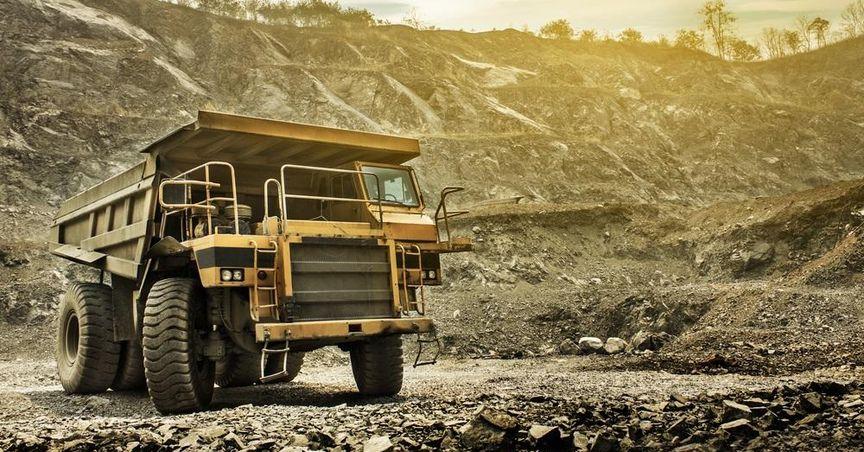
The jump in crude oil above the hundred-dollar mark, driven by Red Sea shipping disruption, lands squarely on the cost side of mining. Open-pit operations run on fleets of haul trucks and heavy equipment that consume large volumes of diesel, and processing facilities draw substantial power. When energy prices climb, the expense of moving rock, crushing ore and refining metal rises with them. For a producer with the scale of Southern Copper's Latin American operations, energy is a meaningful line in the cost structure, and a sustained oil rally tightens the arithmetic of production.
Yet the same energy surge can cut two ways for a copper miner. Higher oil prices often accompany broader inflation, and metals have historically been viewed as a store of value when the spending power of currency erodes. That dynamic can support metal prices even as costs rise, leaving the net effect dependent on how the two forces balance. The Red Sea disruption also snarls freight more generally, complicating the movement of goods worldwide and adding a logistics wrinkle that touches exporters of raw materials across the metals and mining landscape.
Why This Theme Is Gaining Attention
This week's dense reporting schedule sets an unusually active tone across the market, with a long roster of large companies stepping forward. The sheer volume of results creates a stream of data points about how businesses are faring, and the collective picture tends to sway sentiment toward cyclical sectors. Metals producers, whose fortunes rise and fall with industrial activity, often catch the updraft or downdraft created by the broader reporting mood. A run of encouraging results across industry can lift confidence in demand for raw materials, while a string of cautious commentary can dampen it.
Southern Copper is one of many names tracked across the Metal and Mining Stocks category this week, and the metals space frequently trades in relation to signals from the wider economy. Because the busiest earnings week concentrates so much information into a few days, price action can turn brisk, with metals reacting to reports from sectors far beyond mining, from technology capital spending to consumer strength. That interconnectedness is part of what makes this particular week a lively stretch for anyone following the red metal.
Looking Beyond the Headlines
The company's mining footprint is built around large open-pit deposits supported by concentrators, smelters and refineries that carry ore through to finished metal. This integrated setup means the business is not merely digging rock and marketing concentrate; it processes much of what it mines into refined copper, capturing more of the chain within its own operations. Open-pit mining at scale allows for high throughput, and the accompanying processing capacity lets the company convert raw material into products ready for the market. That vertical structure is a hallmark of how the enterprise is organized.
Complementing the copper core is a suite of long-lived assets with substantial reserves, a factor that shapes how the business plans across many years. Large deposits with extended mine lives give a producer a long runway of material to extract, smoothing the rhythm of operations across cycles. The company also carries expansion projects and mine developments that aim to lift output over time, reflecting a pattern common among major miners of steadily working to extend and enlarge their productive base. This blend of established mines and development work defines the operational identity of the business.
What Investors Are Watching
While copper anchors the enterprise, the ore bodies it mines also yield molybdenum, zinc, silver and other metals as byproducts. These additional streams matter because they arrive alongside the primary copper output without requiring entirely separate mining, effectively lowering the net cost of producing the red metal. Molybdenum, used to strengthen steel, and silver, prized across industry and beyond, each carry their own demand patterns, adding a layer of diversification to a business that is fundamentally about copper. The byproduct mix can meaningfully influence the economics of a given operation.
This diversity of output also links the company to a wider set of end markets. Zinc feeds galvanizing and construction, molybdenum ties to steelmaking and specialty alloys, and silver spans electronics, solar equipment and industrial uses. Because these metals respond to different drivers, the byproduct slate can cushion swings in any single market, though copper remains the dominant force in the story. For observers tracking the company, the interplay between the primary metal and its companions adds nuance to how the operations perform through varying conditions.
How Companies Fit the Broader Picture
Across the copper industry, several developments keep the metal in view. Supply has been a recurring theme, as new large deposits are increasingly hard to find and existing mines contend with declining ore grades that require moving more rock to yield the same metal. Permitting timelines for fresh projects stretch across many years in most jurisdictions, and community and environmental factors weigh heavily on where and how new capacity comes online. These structural features of supply lend the copper narrative a distinctly long-horizon character.
On the demand side, the electrification wave continues to reshape how much copper the world needs and where. Renewable energy installations, battery-related manufacturing and expanding data infrastructure all pull on the metal, while traditional uses in construction and appliances persist. This tension between constrained new supply and broadening demand is a defining feature of the current copper conversation, and it forms the industry backdrop against which individual producers such as Southern Copper are viewed. The story is less about any single week and more about a slow structural squeeze that keeps resurfacing.
What does the competitive landscape look like?
The copper mining landscape features a handful of large producers spread across the Americas, Europe, Asia and Australia, each with its own geographic base and asset mix. Some operate diversified portfolios spanning many metals, while others concentrate more tightly on copper. Southern Copper's distinguishing trait is its Latin American concentration paired with an integrated processing chain, which sets it apart from diversified giants and from producers rooted in other regions. This positioning shapes how the company fits within the competitive field and how it responds to shifts in the metal's fortunes.
Competition in mining plays out less through pricing, since copper trades as a global commodity, and more through cost position, asset quality and the ability to bring new supply online. Producers sitting low on the cost curve tend to weather downturns more comfortably, while those with rich, long-lived deposits enjoy staying power. The race to develop new projects, secure water and energy, and maintain community support all factor into where each producer stands. Within that framework, Southern Copper's established mines and expansion work define its place among peers in the metals and mining arena.
How does construction demand feed copper?
Construction remains one of copper's largest end markets, weaving the metal into wiring, plumbing, roofing and the electrical systems of buildings. Residential and commercial building activity therefore feeds directly into copper demand, and the health of construction across major economies shapes the metal's near-term rhythm. Interest rate conditions, which the Federal Reserve influences, tie into this channel as well, since financing costs affect how much building takes place. This link makes construction a key thread connecting the central bank decision this week to the underlying demand for the red metal.
Infrastructure spending amplifies the construction connection. Roads, ports, water systems and, above all, electrical grids all draw on copper in large quantities, and public commitments to infrastructure renewal in several regions add a durable layer to demand. As governments and utilities pursue grid modernization and expansion, the metal that carries current sits at the heart of the effort. For a pure-play copper producer, these construction and infrastructure threads represent the practical, on-the-ground demand that underpins the more headline-grabbing electrification narrative.
What operational themes stand out recently?
Recent operational themes across large copper miners center on managing costs, sustaining output from maturing mines and advancing expansion work. Declining ore grades push producers to process more material to maintain metal output, which raises the importance of efficiency and energy management, themes made sharper by the current oil surge. Keeping equipment running, controlling water use in dry mining regions and restraining unit costs all figure prominently in how a producer navigates the present environment. These operational priorities tend to define the practical work behind the market story.
Expansion and development projects also feature heavily, as major miners work to lift capacity in step with the demand narrative around electrification. Bringing new tonnage online involves long lead times, substantial capital and careful sequencing, and progress on such projects is watched closely as a gauge of how supply might evolve. For Southern Copper, the combination of running established mines efficiently while pursuing growth work captures the dual operational focus common among large producers, balancing the present with the steady effort to enlarge the productive base.
What challenges face copper producers?
Copper producers face a familiar set of challenges, beginning with the geological reality of declining grades and the scarcity of large new deposits. Extracting metal from lower-grade ore demands more energy and more material handling, pressuring costs, and the difficulty of finding fresh deposits complicates efforts to expand supply. Water scarcity in arid mining regions, permitting delays and the need to maintain community support all add layers of complexity. These structural hurdles are inherent to the business and shape the long-horizon character of copper mining.
Cyclical and geopolitical factors add further complications. Copper prices swing with the global growth mood, and a producer's fortunes move with them, while currency shifts, trade tensions and regional political developments can all intrude. The current energy surge, driven by Red Sea disruption, illustrates how events far from any mine can reach into the cost structure and the broader market mood. Navigating this web of geological, operational and macroeconomic challenges is the ongoing work of any major miner, and it frames how observers assess a company like Southern Copper.
How does broader market relevance tie together?
Southern Copper's broader relevance stems from copper's status as an economic bellwether and from the company's scale within the metal's production. As a component of the NYSE Composite, the business trades within the wide universe of companies listed on the exchange, and its movements often echo shifts in sentiment about global industrial activity. When growth confidence rises, copper and its producers tend to draw interest; when caution takes over, they often feel the chill. That sensitivity makes the company a useful lens on the industrial mood at any given moment.
Tying the threads together, the present week brings the central bank decision, the oil surge and the dense earnings calendar into a single frame, each touching the copper story in its own way. Rate signals influence financing and the dollar, energy prices shape costs and inflation, and the flow of corporate results colors the cyclical mood. Against this backdrop, Southern Copper's Latin American copper operations, integrated processing and exposure to electrification and construction demand place the company at a crossroads of the themes moving the market. The interplay of these forces keeps the red metal, and its major producers, firmly in view.
What keeps copper at the center of the conversation?
Copper's enduring place in the market conversation rests on the simple fact that so much of modern industry runs on it. From the wiring in homes to the transmission lines spanning continents, the metal is woven into the physical fabric of economic activity, and the accelerating push toward electrification only deepens that reliance. This structural role gives copper a relevance that transcends any single trading session, and it explains why major producers command attention whenever the growth narrative shifts. The metal serves as both a raw material and a signal about the direction of the wider economy.
For Southern Copper specifically, the blend of large Latin American mines, integrated processing, a slate of byproduct metals and exposure to the deepest demand trends of the era keeps the business squarely within the metals and mining spotlight. As the busiest earnings week unfolds and the market weighs the Federal Reserve decision alongside a charged energy backdrop, the company stands as a clear example of how a pure copper producer sits at the intersection of macroeconomic forces and long-running structural demand. That positioning ensures the red metal, and the enterprises that mine it, remain a fixture of the market dialogue.
