
 AUS
AUS
 NZ
NZ
 UK
UK
 CA
CA
 USA
USA
 IND
IND




Highlights
- Copper's tie to electrification and infrastructure keeps Freeport-McMoRan firmly in market conversation.
- A surging crude oil market and a looming Federal Reserve rate decision frame the trading week.
- The company remains one of the clearest windows into global red-metal demand across mining names.
Freeport-McMoRan (NYSE:FCX) steps into the spotlight as the calendar turns to the busiest earnings stretch of the quarter, a week when a wave of major companies across sectors report and traders sift through each print for signals about demand. Copper, the metal at the center of the company's business, has become one of the most closely watched commodities of the moment, tied as it is to construction, power grids, and the sweeping shift toward electrification. With so many corporate updates arriving at once, mining names sit alongside technology and consumer giants in the flow of headlines.
Adding to the backdrop, crude oil has pushed above the hundred-dollar mark amid shipping disruption in the Red Sea, a move that ripples through energy-intensive industries such as mining and smelting. Diesel for haul trucks, power for processing plants, and freight for finished metal all become costlier when energy climbs, and that dynamic places fresh emphasis on how efficiently large producers operate. Against this mix of earnings-season intensity and commodity turbulence, Freeport-McMoRan stands as a clear reference point for the health of global copper demand.
What Investors Are Watching
Copper has earned the nickname of the metal with a degree in economics, because its price often tracks the pulse of industrial activity around the world. When factories hum, when housing rises, and when nations wire new transmission lines, copper tends to move higher; when activity cools, the metal softens. That sensitivity makes a producer of the red metal a natural focal point during a week crowded with corporate updates, since the commodity acts as a barometer for the broader economy and for the pace of the energy transition now reshaping demand.
The metal's story has grown even richer as electrification spreads across transport, buildings, and the grid. Electric vehicles use far more copper than combustion models, data centers demand dense wiring, and renewable generation relies on the metal to move power from source to socket. These structural threads sit beneath the daily price swings, giving copper a demand narrative that stretches across many years. For a company whose fortunes rise and fall with the metal, this backdrop keeps every operational update meaningful to those tracking the mining space.
How Companies Fit the Broader Picture
The recent climb in crude oil, driven by disruption to Red Sea shipping and heightened tension across key waterways, does more than lift prices at the pump. Energy sits at the heart of mining economics, powering the enormous fleets of trucks that move ore, the mills that grind rock, and the smelters that refine concentrate into usable metal. When oil rises sharply, the cost structure of an entire industry shifts, and producers with efficient operations and disciplined spending tend to weather the pressure more comfortably than peers running older or higher-cost assets.
For Freeport-McMoRan, the energy backdrop cuts in more than one direction. Higher input costs press on margins across the mining world, yet the same forces that lift oil often reflect broader inflationary pressure and supply strain that can support hard-asset prices. Copper, gold, and other metals sometimes attract fresh attention when currencies wobble and energy grows dear. This interplay between rising fuel costs and firm metal demand forms part of the reason the company sits at an interesting crossroads as the trading week begins.
The Bigger Market Narrative
Midweek brings a Federal Reserve rate decision, an event that tends to move markets across every sector, mining included. Rates are widely expected to stay steady, with commentary about a possible move later in the year drawing careful attention. Interest rates matter to metals because they influence the strength of the dollar, the cost of financing large projects, and the broader appetite for cyclical assets. A softer dollar often lends support to commodities priced in the currency, while steadier borrowing costs can ease the path for construction and heavy industry.
For a capital-intensive miner, the rate environment shapes the arithmetic of expansions, new shafts, and processing upgrades that can take years to complete. Financing terms feed directly into how ambitious a producer can be with its development pipeline. As traders position ahead of the decision, cyclical names such as copper producers often see heightened sensitivity, and Freeport-McMoRan tends to trade as a bellwether for how the market reads the balance between economic momentum and the central bank's next steps.
What's Driving the Bigger Theme?
Freeport-McMoRan ranks among the largest publicly traded copper producers in the world, with a portfolio spanning mines across the Americas and a major complex in Indonesia. The company mines and processes copper alongside gold and molybdenum, running an integrated chain that reaches from extraction through concentrating, smelting, and refining. This scale gives it a prominent place in global supply, and its production trends are watched closely as a gauge of how much of the red metal is reaching a market hungry for it.
Beyond raw output, the company has leaned into innovation aimed at squeezing more metal from existing operations. Leaching techniques applied to stockpiles once thought spent have drawn interest as a lower-cost way to add copper without opening entirely new mines. Such approaches matter in a world where fresh deposits are harder to find and permitting can stretch across many years. The blend of established large-scale mines and creative recovery methods defines the operating character of the business today.
Key Industry Trends to Watch
The electrification of the global economy has become one of the defining industrial themes of the era, and copper sits squarely at its heart. Every electric vehicle, charging station, wind turbine, solar farm, and grid upgrade requires substantial quantities of the metal, and the pace of these builds continues to accelerate across many regions. This structural pull on demand gives copper a distinctive place among industrial commodities, one that stretches well beyond the ordinary rhythm of construction cycles and manufacturing swings.
For a producer of Freeport-McMoRan's scale, the electrification wave translates into a demand story that many observers describe as multi-year in nature. Supply, meanwhile, faces headwinds ranging from declining ore grades at aging mines to lengthy permitting timelines for new projects. When demand marches steadily upward while new supply arrives slowly, the metal's role in the market becomes all the more central. This tension between growing appetite and constrained fresh supply frames much of the conversation around copper today.
How the Market Context Is Evolving
While copper anchors the company's identity, gold and molybdenum add meaningful dimensions to its production mix. Gold often occurs alongside copper in the same ore bodies, especially at the Indonesian operations, and it provides a valuable second stream that can cushion the business when copper prices soften. In periods of market unease, the precious metal frequently draws safe-haven demand, offering a counterweight to the more cyclical nature of industrial copper and adding balance to the overall commodity exposure.
Molybdenum, a metal used to strengthen steel and other alloys, rounds out the portfolio with a link to industrial and energy applications. Its demand tends to track heavy manufacturing, construction, and specialized steelmaking, tying the company's fortunes to several corners of the industrial economy at once. This diversity across three metals means the business is not entirely captive to any single commodity, a feature that shapes how the company navigates the ups and downs of global demand and pricing across cycles.
What Could Shape the Next Phase?
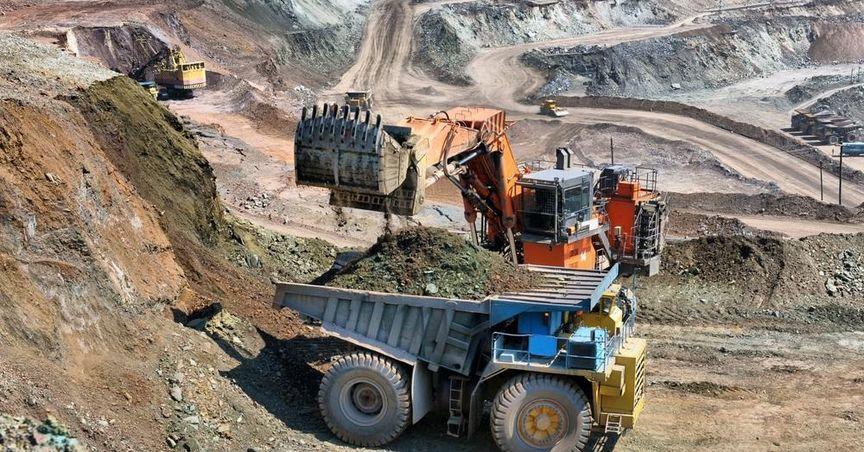
The Grasberg district in Indonesia stands as one of the most significant mineral complexes on the planet, containing vast reserves of both copper and gold. Freeport-McMoRan's operations there have transitioned in recent years toward large-scale underground mining as the historic open pit reached its limits, a shift that ranks among the most ambitious such undertakings in the industry. Underground block-cave mining allows the company to reach deep, rich ore while extending the productive life of the district across many years to come.
Operating in Indonesia also brings a distinctive set of factors, from partnership arrangements with local communities to the logistics of running a massive complex in a remote setting. The transition to underground methods has required substantial engineering and patience, but it positions the district as a long-lived contributor to global copper and gold supply. As one of the crown assets in the portfolio, Grasberg draws close attention whenever the company discusses its production trends and development milestones.
Sector Signals Worth Following
Across the Americas, Freeport-McMoRan operates a network of copper mines that form the backbone of its regional presence. In the southwestern United States, long-running open-pit operations in Arizona and neighboring states supply copper to a domestic market increasingly focused on securing home-grown sources of critical metals. These assets benefit from established infrastructure, skilled workforces, and proximity to the industries that consume the metal, giving the company a solid footing in a strategically important region.
Further south, operations in Peru and Chile place the company within the copper-rich Andean belt that supplies a large share of the world's red metal. South American mining brings its own dynamics, including water management in arid regions, community engagement, and the ever-present influence of local regulation. Together, the American assets and the Indonesian complex give Freeport-McMoRan a geographically diverse base, spreading its exposure across several major mining jurisdictions and reducing reliance on any single location.
Why This Theme Is Gaining Attention
In recent periods, the company has placed emphasis on disciplined operations, cost management, and incremental gains from existing assets rather than sprawling new construction. Leaching initiatives that recover additional copper from material already mined have featured prominently in discussions of how to lift output efficiently. This focus reflects an industry-wide recognition that adding supply through smarter processing can be faster and less capital-hungry than developing greenfield projects from scratch, an approach that resonates in the current environment.
Development planning around expansions in Indonesia and studies of prospects across the American portfolio have also drawn interest as the company weighs how best to meet rising copper demand. Balancing near-term operating strength with longer-range development remains a central theme. As the busiest earnings week of the quarter unfolds, updates on production trends, cost trajectories, and project progress carry added weight, since the market is parsing every signal about the pace of copper supply reaching a demanding world.
Industry Challenges Facing Copper Miners
Copper mining is a demanding business marked by long lead times, heavy capital needs, and geological realities that grow more challenging over time. Ore grades at many of the world's established mines have been declining, meaning producers must move more rock to obtain the same amount of metal. This trend raises energy use and costs precisely when fuel prices are climbing, sharpening the premium on operational efficiency and technological ingenuity across the mining space, and this is a challenge shared broadly among names tracked across the Metal and Mining Stocks category this week.
Permitting and development timelines add another layer of difficulty. Bringing a new copper mine from discovery to production can stretch across a decade or more, encompassing exploration, feasibility work, environmental review, and construction. Water scarcity, community relations, and evolving regulation in key mining regions further complicate the path. These structural hurdles help explain why supply struggles to keep pace with demand, and why established producers with proven, large-scale assets occupy such an important position in the market.
The Competitive Landscape in Mining
Freeport-McMoRan operates within a global field of major diversified miners and specialized copper producers, each competing for reserves, skilled labor, and access to the most productive deposits. Rivals range from sprawling multinational groups with exposure across many commodities to focused copper specialists concentrated in particular regions. Scale, cost position, and the quality of a company's ore bodies largely determine who thrives across the cycle, and Freeport-McMoRan's large, long-lived assets place it among the most prominent names in the sector.
Competition also plays out in the race to secure new supply as the electrification wave lifts demand. Established producers with existing infrastructure enjoy an advantage in expanding output, since brownfield growth around known deposits tends to be faster and less costly than starting fresh. At the same time, the scarcity of high-quality new discoveries intensifies the value of the reserves a company already controls. This landscape keeps the spotlight on producers able to combine scale, efficiency, and disciplined development.
Sector Trends Shaping Demand
Several powerful trends are reshaping demand across the metals and mining sector, with electrification and grid modernization leading the way. Governments and industries around the world are pouring resources into cleaner power, expanded transmission, and electrified transport, all of which lean heavily on copper and other industrial metals. This structural shift underpins a demand narrative that many observers describe as durable, setting the metals sector apart from purely cyclical corners of the market and giving producers a steady backdrop.
Data centers and the rapid build-out of computing infrastructure add another dimension, since these facilities require dense electrical wiring and robust power delivery. The broader push toward securing supply chains for critical minerals, driven by strategic concerns in many nations, further elevates the importance of domestic and allied production. Together these trends create a demand environment in which large, reliable copper producers command attention, and Freeport-McMoRan features prominently in discussions of how the world will source the metal it needs.
Broader Market Relevance
As a member of the S&P 500, Freeport-McMoRan carries relevance beyond the mining sector, serving as a cyclical bellwether that many watch for clues about industrial health. When the company and its peers report firm demand, it can signal strength in construction, manufacturing, and the energy transition; when trends soften, it may hint at cooling activity. This role as an economic barometer makes the company's updates meaningful to a wide audience following the market during a crowded earnings week.
The current mix of surging oil, a pending Federal Reserve decision, and intense corporate reporting creates a backdrop in which cyclical names draw heightened scrutiny. Copper's central place in the electrification story ties the company to some of the most talked-about themes in markets today, from grid expansion to electric transport. That intersection of commodity dynamics and structural demand keeps Freeport-McMoRan squarely in the conversation as traders weigh the many crosscurrents shaping the week.
How the Earnings Season Frames the Story
The opening of the busiest earnings week of the quarter sets a demanding stage, as companies across technology, consumer goods, energy, and industrials all report in quick succession. Within that flood of updates, mining names offer a distinctive read on the physical economy, grounded in the metals that build machines, wire cities, and power the energy transition. Traders parsing the week's results look to producers of copper and steel for evidence of how robust real-world demand remains beneath the headlines.
For Freeport-McMoRan, the season provides a moment to showcase how its operations are navigating rising energy costs, steady demand for copper, and the long arc of the electrification wave. Whether the emphasis falls on production trends, cost management, or development progress, the company's story sits at the meeting point of daily market forces and multi-year structural change. That blend keeps the red-metal producer among the more closely followed mining names as the crowded reporting week gathers pace.
