
 AUS
AUS
 NZ
NZ
 UK
UK
 CA
CA
 USA
USA
 IND
IND




Highlights
- Fuel costs are pressuring transport operators.
- Airlines face longer flight routes.
- Railroads may show relative resilience.
Transportation industries from FedEx to Delta and United face surging jet fuel and diesel costs as Middle East tensions escalate, testing record share prices and a freshly spun-off freight giant.
Fuel has returned as the most important pressure point for transport companies, and the impact is spreading across airlines, parcel networks, railroads and freight operators. FedEx Corporation (NYSE:FDX), a global parcel delivery and logistics company, Delta Air Lines, Inc. (NYSE:DAL), a major passenger airline, United Airlines Holdings, Inc. (NASDAQ:UAL), a global aviation network operator, Union Pacific Corporation (NYSE:UNP), a major North American railroad, and CSX Corporation (NASDAQ:CSX), a freight rail operator, are all facing a market where higher energy costs can reshape margins, schedules and demand expectations. Several of these transport names also sit within the broader Russell 1000, adding wider market relevance to the unfolding fuel-cost story.
Fuel Pressure Returns Fast
Transport companies can run efficient networks, optimize routes and improve technology systems, but fuel remains one of the hardest cost lines to control. When crude prices rise sharply, the effect moves quickly through jet fuel, diesel and related operating expenses.
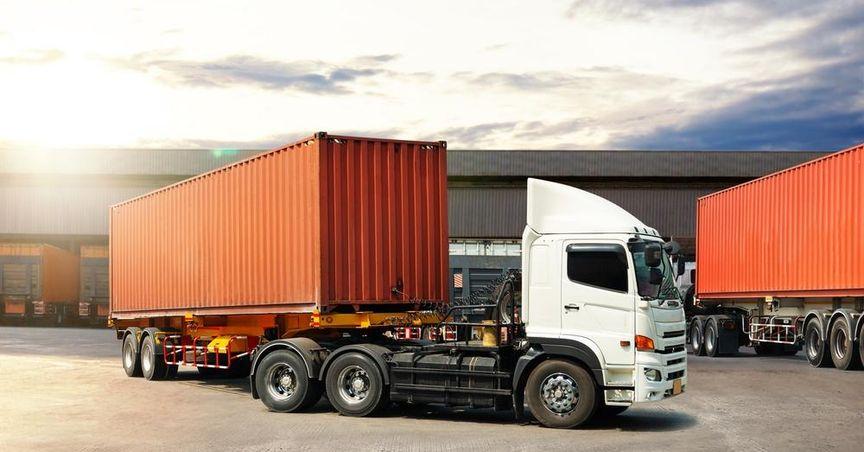
Airlines feel the pressure through aviation fuel. Trucking and parcel carriers feel it through diesel. Railroads also consume fuel, though their efficiency per ton-mile often gives them a relative advantage compared with road freight.
The recent escalation in the Middle East has brought that sensitivity back into focus. Energy markets tend to react quickly when supply routes, refinery inputs or regional stability come under pressure. For transportation operators, this can create a sudden shift from a stable cost backdrop to a far more complex operating environment.
FedEx Faces Freight Test
FedEx entered this period after a strong stretch for its shares, helped by network improvements, cost discipline and firmer parcel activity. The company has also completed a major structural move by separating its freight unit into an independent business.
That separation was designed to give each business clearer strategic direction. The parcel and express network can focus on global delivery, aircraft utilization, sorting infrastructure and last-mile efficiency. The freight business can focus on trucking lanes, terminal density and less-than-truckload operations.
The timing now brings a real operating test. Higher diesel costs can pressure trucking economics, while elevated jet fuel can affect express delivery margins. Fuel surcharge systems can help recover part of the burden, but these mechanisms often work with a delay. That timing gap can matter when energy costs rise quickly.
Airlines Face Longer Routes
Airlines sit close to the center of this fuel shock. Jet fuel is a major operating cost, and longer flight paths can magnify the pressure. When carriers reroute around contested airspace, aircraft spend more time in the air, burn more fuel and require more careful crew scheduling.
Delta and United have both benefited from resilient travel demand, especially across premium cabins and international routes. However, global aviation networks depend heavily on route efficiency. Any disruption across major corridors can affect aircraft rotations, airport connections and capacity planning.
Longer routes do not only raise fuel expenses. They can also complicate fleet scheduling, reduce aircraft availability and create knock-on effects across connecting flights. For global carriers, these operational details can quickly become material when disruption lasts longer than expected.
Freight Networks Absorb Costs
Freight operators often deal with fuel pressure through surcharge frameworks, contract terms and pricing adjustments. However, rapid fuel moves can still create friction across shipper relationships.
Parcel carriers and trucking networks must balance customer expectations with operating realities. Higher fuel costs can feed into delivery pricing, but customers may resist higher shipping expenses if broader economic conditions soften.
That makes the freight environment especially sensitive. If consumer spending remains firm, parcel demand can absorb some cost pressure. If fuel inflation weighs on household budgets, delivery volumes may become more uneven.
For companies managing nationwide logistics systems, the central challenge is maintaining service reliability while protecting network efficiency.
Rails Gain Efficiency Edge
Railroads are not immune to diesel pressure, but they often operate with a fuel-efficiency advantage compared with highway freight. That distinction becomes more visible when energy costs rise.
Union Pacific and CSX operate large rail networks that move goods across long distances. Rail freight can be more efficient for heavy or bulk shipments, especially when compared with long-haul trucking. In periods of elevated fuel prices, some shippers may reconsider how goods move across domestic supply chains.
Railroads also tend to have contract structures that include fuel recovery mechanisms. These arrangements can help reduce the shock from sudden diesel increases, though they do not remove all exposure.
The rail group may therefore function as a relative stabilizer inside the broader transport landscape, especially if shippers seek more efficient freight options.
Consumers Remain Central
Fuel shocks do not affect only companies. They can also shape household behaviour. When gasoline prices rise, consumers often feel pressure across travel budgets, commuting costs and discretionary spending.
That matters for airlines and parcel carriers. Leisure travel, e-commerce activity and shipping demand can all respond to household cost pressures. If higher fuel prices persist, transport companies may face both rising expenses and softer demand.
This combination is the scenario the market watches most closely. A temporary fuel spike can be manageable. A sustained energy shock can reshape planning across capacity, pricing and capital allocation.
Transport companies with flexible networks, strong cost controls and diversified customer bases may be better positioned to navigate this type of environment.
Fed Policy Adds Pressure
The oil shock also intersects with monetary policy. Higher energy prices can complicate inflation expectations, especially if transportation costs move through goods and services pricing.
Transport companies are capital intensive. Airlines require aircraft, maintenance facilities and airport infrastructure. Parcel networks require sorting hubs, delivery fleets and technology systems. Railroads require track, locomotives, terminals and rolling stock.
When financing conditions tighten, the cost of maintaining and expanding these assets can rise. That adds another layer of pressure alongside fuel expenses.
The combined effect of higher fuel and higher capital costs can make operational discipline even more important across the sector.
Management Commentary Matters
The next phase for transport stocks will likely depend on how management teams describe fuel exposure, demand trends and network flexibility.
For airlines, the focus will be on route adjustments, fare trends, capacity plans and international demand. For parcel carriers, attention will remain on fuel surcharges, shipment volume and cost control. For railroads, the key themes include freight mix, fuel recovery and shipment demand across industrial stock categories.
Transport companies often provide useful signals about the broader economy because they see goods movement and travel behaviour in real time. That makes sector commentary especially important during periods of macro uncertainty.
If management teams show that cost recovery remains effective and demand remains resilient, sentiment may stabilize. If fuel pressure persists and demand weakens, the sector could face a more difficult operating backdrop.
Transport Stocks Face Reset
The transport rally had been supported by improving demand, network restructuring and better operating discipline. The new fuel shock does not erase those strengths, but it creates a sharper test.
FedEx must show that its streamlined structure can handle higher express and freight costs. Delta and United must manage longer routes, higher fuel and travel demand sensitivity. Union Pacific and CSX must demonstrate whether rail efficiency can stand out as shippers reassess freight economics.
The key issue is not simply the direction of crude prices. It is how quickly transport operators can adjust pricing, routes, schedules and capacity while maintaining customer demand.
For the transport sector, the next stretch may separate companies with flexible operating models from those more exposed to sustained cost pressure.
