
 AUS
AUS
 NZ
NZ
 UK
UK
 CA
CA
 USA
USA
 IND
IND






Highlights
- Gold has softened despite geopolitical tension.
- Energy costs are pressuring mining margins.
- Low-cost operators appear better positioned.
Gold miners face margin pressure as softer bullion prices and rising energy costs reshape operating expectations, placing greater focus on cost discipline, balance sheet strength and asset quality.
Gold miners are facing an unusual market setup as bullion eases despite renewed geopolitical tension, while energy costs move higher and place fresh pressure on production margins. Newmont Gold (NYSE:NEM), the world’s largest gold producer by scale, remains a key name in focus as cost inflation reshapes expectations across major mining portfolios. The company’s presence within the S&P 500 also keeps the broader gold mining story visible across major U.S. market benchmarks.
Gold Faces Strange Pressure
Gold often draws attention during periods of geopolitical anxiety. Tensions in the Middle East would usually support bullion because the metal is widely viewed as a defensive store of value during uncertain periods. This time, however, the market reaction has been more complicated.
The pressure has come from the energy channel. Higher oil prices can lift inflation expectations, which may lead markets to prepare for tighter monetary policy. When rate expectations rise, gold can lose some appeal because it does not generate income. That shift can offset safe-haven demand, especially when currency and bond markets begin adjusting quickly.
This creates a difficult backdrop for metal & mining stock companies. They are exposed not only to the price of gold but also to the cost of producing it. When bullion softens while fuel and power costs rise, margins can narrow from both sides.
Energy Costs Hit Miners
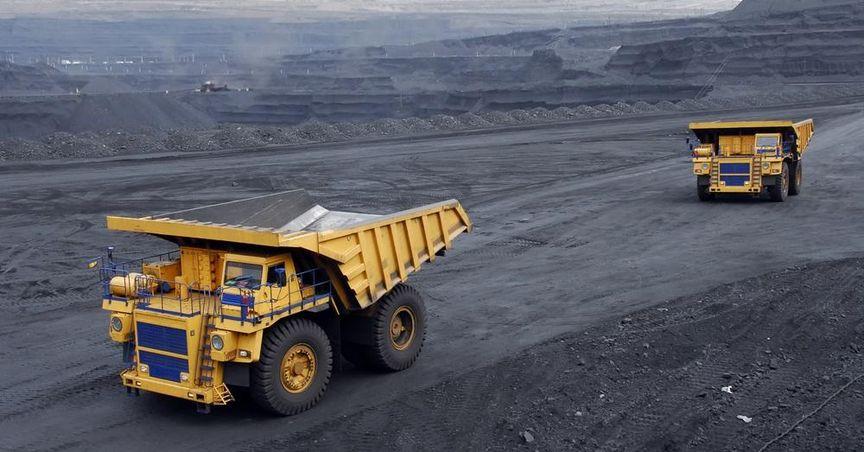
Mining is an energy-intensive business. Diesel powers the large haul trucks that move ore across open-pit operations. Electricity runs mills, crushers, pumps, ventilation systems and processing equipment. Remote sites can face even higher energy costs because fuel must often be transported across long distances.
When diesel and power costs rise, producers may see pressure across several operating lines. Fuel contracts, logistics, maintenance expenses and site-level power needs can all become more expensive. The effect is especially visible at mines that rely heavily on open-pit trucking or operate in remote locations.
This cost pressure does not always appear immediately. Some companies use fuel contracts or hedging structures that delay the full effect. However, as contracts reset, the higher cost environment can flow through operating results and guidance commentary.
Newmont Faces Scale Test
Newmont Gold (NYSE:NEM), remains one of the most closely watched names in the global gold industry. The company operates a large portfolio across the Americas, Africa, Australia and Papua New Guinea, giving it unmatched production breadth among listed gold producers.
That scale provides advantages. A broad asset base can reduce dependence on any single mine, region or project. It also gives the company access to major reserve bases, technical expertise and established operating infrastructure.
At the same time, scale can magnify exposure to cost inflation. A wider global portfolio means broader exposure to diesel, labour, contractors, equipment, power and jurisdictional complexity. When input costs rise across several regions at once, even large producers can face margin pressure.
For Newmont, the key question is whether operational discipline can offset the combined impact of softer bullion and rising energy costs. Market attention is likely to remain focused on cost guidance, asset optimization and capital discipline.
Barrick Navigates Margin Pressure
Barrick’s position in Nevada remains especially important. The state hosts some of the world’s most significant gold mining assets, and operational decisions in that region carry major financial importance. Any friction around shared operations, resource allocation or equipment deployment can add complexity during periods when cost control is already under pressure.
The company’s broader portfolio gives it exposure to high-quality assets, but the same industry-wide cost pressures remain relevant. Energy, labour and sustaining capital needs all matter when bullion prices soften.
For large producers, maintaining reliable production while controlling all-in costs becomes central during margin compression periods. That balance may shape how the market assesses Barrick’s operating performance through the current cycle.
Agnico Shows Operating Discipline
Agnico Eagle Mines Limited (NYSE:AEM), a senior gold producer with operations concentrated in stable mining jurisdictions, has often been associated with consistent execution and disciplined operating performance.
The company’s portfolio includes assets in Canada, Finland and Australia, regions generally viewed as established mining jurisdictions with strong regulatory frameworks. This geographic focus can support operational predictability, although mining risks remain present in every region.
In a higher-cost environment, disciplined operators may stand apart. Mines with favourable grades, reliable infrastructure and strong execution records are often better placed to manage fuel and power inflation. Agnico’s reputation for operational consistency therefore remains important as margins tighten across the sector.
The company’s relative strength lies in its ability to maintain focus on costs, mine planning and balance sheet discipline. Those qualities can become more valuable when broader industry conditions become less forgiving.
Royalty Models Stand Apart
Franco-Nevada Corporation (NYSE:FNV), a gold-focused royalty and streaming company, offers a different business model from traditional mine operators. Rather than operating mines directly, royalty and streaming firms provide financing or capital support in exchange for rights tied to future production or revenue.
That structure can provide insulation from direct operating cost inflation. Since royalty firms are not generally responsible for diesel, labour, power or mine-site equipment, rising energy prices affect them less directly than operating producers.
This does not mean royalty companies are risk-free. They still depend on mine performance, commodity prices and partner execution. However, their cost exposure is structurally different from companies that operate mines themselves.
During periods of rising fuel and power costs, that distinction becomes more visible. Market watchers may therefore compare royalty models against traditional producers to assess which business structures are more resilient during margin pressure.
Cost Control Takes Priority
The gold mining industry often responds to cost pressure through several operational steps. Companies may prioritize higher-grade ore, adjust mine sequencing, delay discretionary exploration or reassess capital spending plans.
These moves can protect near-term cash generation, but they also involve trade-offs. High-grading may support current margins but can affect future mine planning. Delayed stripping or reduced exploration may preserve capital in the present while creating longer-term development questions.
That is why cost control must be balanced with asset durability. Strong operators generally avoid short-term actions that weaken the long-term mine plan. During volatile periods, disciplined capital allocation becomes especially important.
This environment places greater attention on management commentary, cost guidance, fuel exposure and sustaining capital plans. Producers with clear strategies and predictable execution may receive stronger market confidence.
Balance Sheets Provide Cushion
Many large gold producers entered this period with healthier balance sheets than in prior mining downturns. Years of capital discipline helped several companies reduce financial strain and improve flexibility.
That matters when costs rise. A stronger balance sheet can give producers more room to absorb temporary margin pressure, maintain essential capital work and avoid rushed decisions around core assets.
Dividend frameworks also matter. Some miners use flexible payout structures that adjust with commodity conditions. This can reduce pressure during weaker periods while preserving financial stability.
For gold miners, balance sheet strength is not just a financial detail. It can influence mine planning, project timing and the ability to navigate commodity cycles without disrupting long-term strategy.
Central Banks Support Demand
The bearish case around gold is not the whole story. Central bank demand has remained an important support for bullion in recent cycles. Reserve diversification has kept official-sector gold interest elevated, giving the market a demand base that can soften deeper weakness.
Geopolitical uncertainty also remains relevant. If tensions escalate further or threaten energy infrastructure, safe-haven demand could return quickly. In that scenario, bullion could regain support even if inflation concerns remain elevated.
The market could also shift if higher energy costs begin weighing on broader economic activity. Any change in monetary policy expectations could alter the rate backdrop for gold.
This is why the current gold setup remains fluid. The same oil shock pressuring bullion through inflation concerns could later support gold if economic stress deepens.
Sector Sorting Intensifies
The current environment is separating gold producers by cost quality, asset depth and execution discipline. Low-cost assets, strong mine planning and reliable jurisdictions matter more when margins are under pressure.
Companies with higher energy exposure, remote logistics or weaker operating flexibility may face sharper pressure. Producers with disciplined cost structures and stronger balance sheets may be better placed to manage volatility.
The broader gold stocks category remains closely tied to bullion trends, but company-level differences are increasingly important. Gold mining equities do not move only with metal prices. They also reflect costs, capital plans, reserve quality and operational risk.
For now, the industry is operating through a narrow margin corridor. Small shifts in bullion prices or fuel costs can make a meaningful difference to producer economics.
What Comes Next
The next signals for gold miners may come from oil markets, monetary policy commentary and company cost updates. Any sustained move in energy prices could reshape expectations for all-in costs across the sector.
Quarterly operating updates will also matter. Market attention may focus on fuel exposure, sustaining capital, production guidance and commentary around cost mitigation.
Newmont, Barrick, Agnico Eagle and Franco-Nevada each represent a different angle within the gold market. Newmont reflects global scale. Barrick brings major gold district exposure. Agnico highlights operating discipline. Franco-Nevada shows how royalty models can differ from traditional mining operations.
The larger story is clear. Gold miners are not simply reacting to bullion prices. They are also navigating an inflation shock in the cost base. In this environment, the market may continue rewarding companies that control costs rather than those controlled by costs.
