
 AUS
AUS
 NZ
NZ
 UK
UK
 CA
CA
 USA
USA
 IND
IND





Highlights
- Gold production remains the core activity across multiple continents.
- Large-scale mining assets support operations in North America, Australia, Africa, and South America.
- Rising gold demand has kept attention on the global mining sector.
Newmont maintains extensive gold mining operations worldwide, with diversified assets, exploration activities, and industry significance reflected through the S&P 500 Index .
In the mining sector, Newmont (NYSE:NEM) is recognized as one of the world's largest gold producers, operating a broad collection of mines and development assets across several regions. As a constituent of the S&P 500 Index , the company occupies a prominent position within the global gold industry and is frequently referenced alongside major Metal and Mining Stocks. Operations extend across gold production, exploration activities, mine development, and the recovery of other metals associated with mining projects.
Global Mining Operations
The company maintains a geographically diversified asset base that includes operations in the United States, Canada, Australia, Papua New Guinea, Ghana, Peru, Argentina, Suriname, and Mexico. This broad presence provides exposure to several major mining jurisdictions and supports long-term production activity.
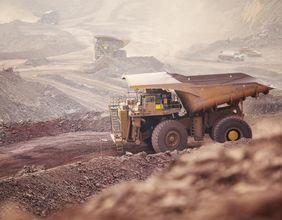
Mining operations include both open-pit and underground projects. Ore extracted from these sites is processed through specialized facilities designed to recover gold and, in certain locations, copper, silver, lead, and zinc. Geographic diversity remains a defining feature of the business model.
Gold as the Core Commodity
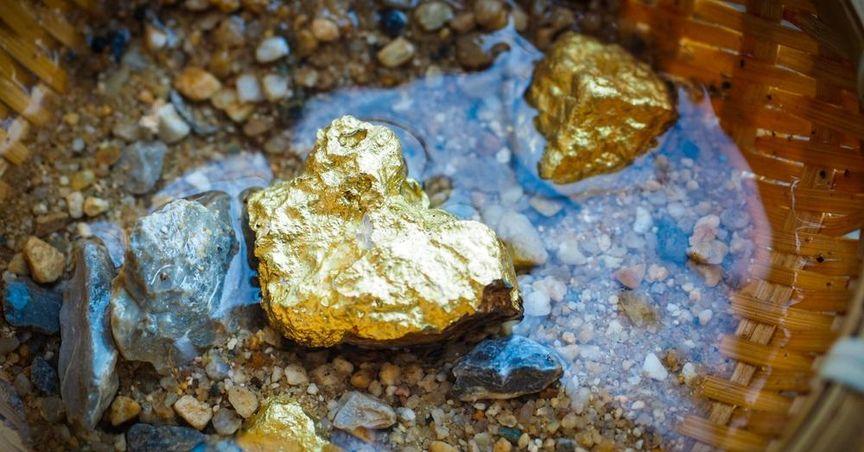
Gold remains the principal commodity produced across the company's portfolio. The metal continues to play an important role in jewelry manufacturing, central-bank reserves, technology applications, and industrial uses.
Changes in global gold demand frequently influence activity throughout the mining industry. Production volumes, reserve replacement, exploration activity, and mine development programs are often shaped by broader conditions within the gold market.
Asset Portfolio and Reserve Base
Large mining companies typically place significant emphasis on mineral reserves and resource development. Reserve replacement remains a key operational requirement because mining assets naturally decline as material is extracted over time.
The company's portfolio includes several long-life mining complexes that have operated for many years. Ongoing drilling programs support geological understanding and help identify additional mineralized zones around existing operations. Exploration efforts also extend to new prospects in multiple regions.
Integration Within the Mining Industry
The mining industry depends on extensive infrastructure, including processing plants, transportation networks, power systems, water management facilities, and environmental monitoring programs. Operations are supported by engineers, geologists, metallurgists, environmental specialists, and skilled trades.
Mining companies frequently collaborate with contractors, equipment suppliers, technology providers, and local communities. These relationships contribute to the day-to-day operation of large-scale resource projects and support the continued development of mining districts.
Production Efficiency and Technology
Modern mining increasingly relies on automation, digital monitoring systems, data analytics, and advanced processing technologies. These tools assist with equipment management, operational planning, and resource evaluation.
Technological improvements have influenced drilling, blasting, ore transportation, and processing activities. Digital systems also support environmental monitoring and site management across complex mining operations. Around the middle of the year, developments involving major producers are often tracked within the S&P 500 Index as part of broader industrial and commodity-related activity.
Environmental and Reclamation Activities
Mining projects operate under environmental requirements that vary by jurisdiction. Activities commonly include land management, water stewardship programs, emissions monitoring, waste management, and site rehabilitation efforts.
Reclamation programs are designed to restore land following mining activity. These initiatives may involve vegetation restoration, soil stabilization, water treatment systems, and long-term environmental monitoring. Such measures remain an established component of modern mining operations.
Copper and Other Metal Exposure
Although gold represents the primary commodity, several assets also contain copper and other metals. Copper has become increasingly significant across global infrastructure projects, electrical systems, renewable-energy installations, and transportation technologies.
The presence of multiple metals within certain mining districts can contribute to diversified production streams. These by-products are recovered through processing activities integrated into broader mining operations.
Industry Trends Affecting Gold Producers
The gold mining sector continues to evolve through consolidation, exploration investment, technological adoption, and resource development. Companies across the industry focus on extending mine life, improving operational efficiency, and advancing development projects.
Global demand patterns, central-bank activity, jewelry consumption, industrial applications, and mine supply trends all influence conditions within the gold sector. As one of the industry's largest participants, Newmont (NYSE:NEM) remains connected to these broader developments.
Position Within Large-Capitalization Markets
The company is widely followed because of its scale, international presence, and extensive reserve base. Its inclusion among major U.S. listed companies reflects the importance of natural-resource businesses within diversified equity benchmarks.
Mining companies occupy a distinct place within global markets because their operations are directly linked to the extraction and processing of physical resources. Gold producers, in particular, remain closely associated with commodity cycles and long-term resource development. Activity across large mining companies continues to be monitored alongside broader movements in the S&P 500 Index , which includes businesses from numerous sectors of the economy.
