
 AUS
AUS
 NZ
NZ
 UK
UK
 CA
CA
 USA
USA
 IND
IND






Highlights
- Gold production spans Canada, Australia, Finland, and Mexico.
- Mining assets are located in established resource-rich jurisdictions.
- Operational development remains closely linked to global gold demand.
Agnico Eagle maintains diversified gold mining operations, exploration programs, and development projects while strengthening its presence within the broader S&P 500 Index .
The S&P 500 Index often serves as a benchmark for large companies influencing major sectors of the economy, including precious metals and mining. Within the gold mining sector, Agnico Eagle Mines Limited (NYSE:AEM) operates as one of the world's largest gold producers, maintaining mining, exploration, and development activities across several established jurisdictions. The company focuses primarily on gold extraction while also producing silver and other by-products from selected operations.
Position Within the Gold Mining Sector
Gold mining remains an important component of the global resources industry. Producers operate across multiple regions to supply precious metals used in jewelry, technology, central bank reserves, and industrial applications. Agnico Eagle has developed a substantial operational footprint centered on high-quality deposits in Canada, Australia, Finland, and Mexico.
The company is frequently associated with Gold Stocks due to its scale, geographic diversification, and extensive reserve base. Its mining assets are concentrated in jurisdictions with established regulatory frameworks and long mining histories.
Major Mining Operations
Operations are primarily located in northern Canada, where several flagship mines contribute significant annual production volumes. Key assets include operations in Nunavut, Quebec, and Ontario. These sites contain large mineral reserves and extensive infrastructure supporting long-term extraction activities.
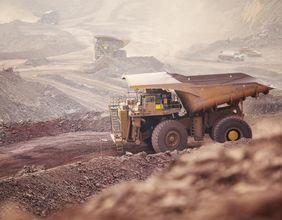
Mining operations incorporate both open-pit and underground methods depending on geological characteristics. Ore extracted from these sites undergoes processing to recover gold and associated minerals before shipment to refining facilities.
In addition to Canadian assets, operations in Australia, Finland, and Mexico broaden geographic reach and production diversity.
Exploration Activities
Exploration remains a core component of mining operations. The company conducts drilling programs and geological assessments aimed at identifying additional mineral resources near existing mines and within prospective exploration districts.
Exploration teams evaluate geological formations using advanced mapping technologies, drilling campaigns, and resource modeling techniques. These activities help define mineralization zones and support mine planning activities.
Successful exploration programs can contribute to reserve replacement and expansion of mining operations across multiple jurisdictions.
Canadian Operations
Canada represents the largest operational region for the company. Mining activities span several provinces and territories, including Ontario, Quebec, and Nunavut. These regions host some of the world's most significant gold-producing districts.
Canadian assets benefit from extensive transportation infrastructure, skilled labor availability, and established mining frameworks. The concentration of operations within Canada has contributed significantly to overall production levels and operational consistency.
Many exploration projects are also located near existing Canadian mines, allowing geological knowledge and infrastructure to support ongoing development activities.
Production and Processing
Gold extraction involves a multi-stage process beginning with mining activities and ending with refined metal production. Ore is transported to processing facilities where crushing, grinding, and recovery methods separate valuable minerals from surrounding rock.
Modern processing facilities utilize advanced technologies designed to maximize recovery rates while supporting environmental management requirements. Production efficiency remains an important operational focus across mining sites.
The company continuously evaluates equipment performance, processing systems, and operational practices to support production activities throughout its asset base.
Environmental and Sustainability Programs
Mining companies operate within environmental frameworks that govern land use, water management, emissions monitoring, and reclamation activities. Environmental stewardship remains an important aspect of operational planning across the industry.
Programs include habitat protection, water treatment initiatives, waste management systems, and progressive site rehabilitation efforts. Mining operations are subject to ongoing environmental monitoring and reporting requirements established by regional authorities.
Community engagement activities also form part of operational practices, particularly in regions where mining projects operate near local and Indigenous communities.
Industry Trends Influencing Gold Producers
Gold mining companies operate within a sector shaped by global demand patterns, central bank activity, jewelry consumption, industrial applications, and macroeconomic developments. These factors influence production planning and exploration priorities across the industry.
Technological innovation has also transformed mining operations. Automation, digital monitoring systems, data analytics, and advanced geological modeling have become increasingly important tools within modern mining environments.
In the middle of these developments, the S&P 500 Index continues to provide broader context for companies connected to resource production and commodity markets.
Geographic Diversification
Operating across multiple countries provides production diversity and exposure to different geological regions. Mines located in separate jurisdictions contribute to operational flexibility and broaden access to mineral resources.
Geographic diversification also allows mining companies to pursue exploration programs across varied geological settings. Resource discoveries in one region can complement production activities elsewhere within the asset base.
This international footprint distinguishes major producers from smaller operators concentrated within a single mining district or country.
Operational Development
Mining projects require ongoing development activities that include infrastructure upgrades, equipment modernization, resource delineation, and processing enhancements. These initiatives support efficient extraction and resource utilization.
Expansion projects may involve underground development, mill improvements, or infrastructure construction designed to support long-term mining activities. Operational planning frequently extends across multiple years due to the complexity of mine development.
Within the global mining landscape, Agnico Eagle Mines Limited (NYSE:AEM) remains closely associated with large-scale gold production, exploration activities, and geographically diversified operations.
Gold Mining and Broader Markets
Gold producers occupy a distinct position within resource markets due to the metal's role in financial systems, industrial applications, and consumer demand. Mining companies therefore remain connected to developments affecting commodity markets and precious metals demand.
As one of the industry's largest participants, the company contributes to global gold supply through operations spanning several continents. Activity across exploration, development, production, and processing continues to shape its role within the broader S&P 500 Index landscape and among leading Gold Stocks.
