
 AUS
AUS
 NZ
NZ
 UK
UK
 CA
CA
 USA
USA
 IND
IND




Highlights
- Easing tension softened safe-haven metal demand.
- Silver remains tied to both risk and industry.
- Copper keeps focus on industrial activity.
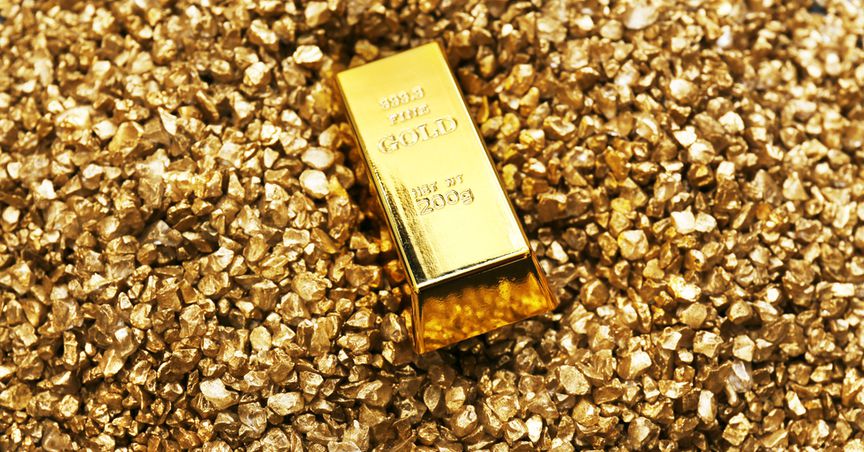
Metals recalibrated as easing risk shifted gold, silver, copper, and diversified mining sentiment.
Metals entered a recalibration phase as easing geopolitical tension changed the tone across gold, silver, copper, and diversified mining stocks. Freeport-McMoRan (NYSE:FCX), a major copper producer with broader metals exposure, remains a key name in this discussion as markets weigh the difference between safe-haven demand and industrial metal demand. The company's presence in the S&P 500 also keeps it visible when broader market participants assess how commodity-linked businesses respond to shifting risk sentiment.
Risk Picture Reshapes Metals
The broader metals complex responded as geopolitical anxiety cooled and the immediate case for safe-haven demand softened. Precious metals often gain attention during periods of uncertainty because they are viewed as stores of value when markets face stress. When that stress eases, the urgency behind defensive positioning can fade.
Gold is usually the first metal associated with this shift because it carries a strong safe-haven identity. However, the metals story is wider than gold alone. Silver, copper, and diversified miners each respond to different forces, making the latest market move more layered than a simple precious-metals retreat.
A calmer geopolitical backdrop can reduce the near-term appeal of precious metals, but it does not erase other drivers. Currency trends, central bank policy expectations, financing conditions, and industrial activity continue shaping the outlook. That makes the metals complex a useful barometer for both risk sentiment and economic expectations.
Gold Faces Safe-Haven Test
Gold's role in the market is often tied to uncertainty, inflation concerns, currency weakness, and broader risk aversion. When headlines point toward de-escalation, the immediate safe-haven case can weaken. That does not mean gold loses relevance, but it does mean traders may reassess why they are holding exposure to the metal.
The latest shift showed how quickly sentiment can change when geopolitical risks appear to cool. Gold can remain supported by longer-term themes, but short-term movement often reflects the market's changing appetite for protection.
The Federal Reserve also remains important for gold because the metal does not provide yield. When policy expectations shift, gold can react as market participants reassess the cost of holding non-yielding assets. This policy connection means gold is shaped not only by geopolitics but also by interest-rate expectations and currency movement.
Silver Bridges Two Worlds
Silver has a more complex identity than gold because it carries both precious-metal and industrial-metal characteristics. It can respond to safe-haven demand during periods of uncertainty, but it is also used in industrial applications tied to manufacturing, electronics, and clean-energy supply chains.
This dual role means silver may not always move exactly like gold. When risk anxiety fades, silver can lose some support from its precious-metal side. At the same time, industrial demand expectations can provide a separate influence.
That makes silver one of the more interesting metal & mining stock during periods when the market mood changes. It sits between defensive demand and activity-linked demand, giving it a blended profile. In a calmer environment, silver's industrial side may become more important to watch than its safe-haven identity.
Copper Reflects Industrial Demand
Copper is more closely connected to industrial activity than safe-haven demand. Its use across construction, electrical systems, manufacturing, power infrastructure, and energy transition projects makes it a major signal for the real economy.
When geopolitical risk eases, copper may respond differently from gold because its demand story depends more on industrial momentum. If markets view a calmer backdrop as supportive for economic activity, copper can attract attention as a metal tied to growth and development.
This is where diversified miners become important. Companies with copper exposure are not simply tied to precious-metal sentiment. They can also reflect views on construction, infrastructure, energy systems, and manufacturing demand.
Diversified Miners Gain Focus
Diversified miners can capture a wider set of forces than single-metal producers. A company with exposure to copper, gold, silver, and other metals may respond to both safe-haven dynamics and industrial demand. This creates a broader investment profile, though it also adds complexity.
Freeport-McMoRan is often watched because copper remains central to its business profile, while broader metals exposure gives the company additional sensitivity to changes across the commodity landscape. When gold cools and copper remains tied to industrial demand, diversified miners can offer a different reading of the metals cycle.
Asset quality, production discipline, cost control, and commodity mix all matter in this part of the market. A miner's performance can depend not only on metal prices but also on operating efficiency and the quality of its resource base.
Energy costs also matter because mining and processing are energy-intensive. When energy prices soften, producers may see some relief in operating costs. However, labor, materials, permitting, and development costs can still create pressure across the sector.
Policy Signals Still Matter
The Federal Reserve remains a major influence across the metals complex. Precious metals react to financing conditions and currency expectations, while industrial metals respond to views on economic activity. This creates a layered response when policy signals change.
Gold Stock may react to the path of rates and the direction of the dollar. Silver may respond to both rate expectations and industrial demand. Copper may move more closely with expectations for construction, manufacturing, grid investment, and broader economic growth.
This means the same policy backdrop can affect different metals in different ways. That is why the metals complex often moves as a spectrum rather than as a single group. Gold sits closer to the safe-haven end, copper sits closer to the industrial end, and silver bridges both sides.
The latest recalibration shows how markets can move from fear-driven positioning toward a more balanced assessment of demand, costs, and policy expectations. Metals remain sensitive to headlines, but the deeper story is about how each part of the complex responds to a changing environment.
