
 AUS
AUS
 NZ
NZ
 UK
UK
 CA
CA
 USA
USA
 IND
IND





Highlights
- S&P 500 Companies continue to display steady market adaptability.
- ONEOK Inc. (NYSE:OKE) reaches a new yearly low amid broad NYSE activity.
- NYSE Composite Index mirrors diversified sector participation across major corporations.
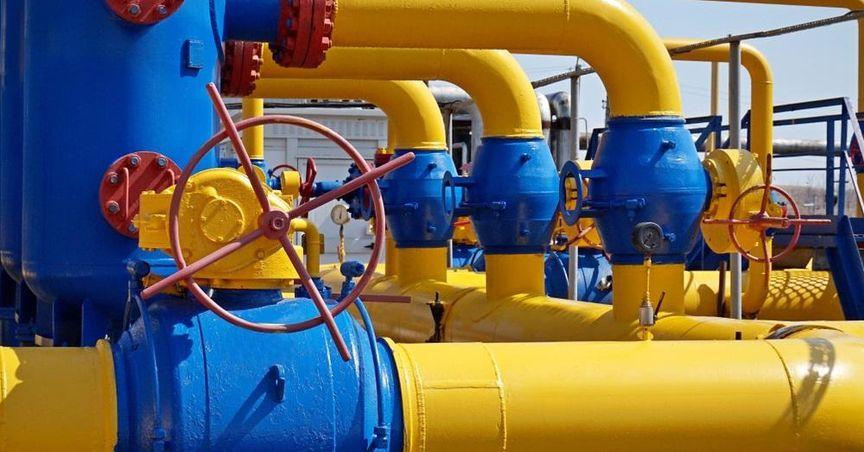
ONEOK Inc. (NYSE:OKE) operates as a leading player in the natural gas sector, focusing on gathering, processing, storage, and distribution services across the United States. Its operations are divided into multiple segments that include natural gas pipelines, refined products, and natural gas liquids. As part of the S&P 500 Companies, ONEOK’s activities have been closely aligned with developments in the broader energy infrastructure sector. The company’s emphasis on natural gas transportation and storage has allowed it to maintain a strategic presence in the evolving U.S. energy market. Within the NYSE ecosystem, ONEOK’s performance reflects the behavior of companies adapting to dynamic conditions and evolving infrastructure demands that shape overall market activity and sectoral growth across key industries.
What Defines ONEOK’s Role in the Energy Sector?
ONEOK’s corporate framework focuses on the integration of midstream services within the natural gas industry. The company manages pipelines, processing plants, and storage facilities, ensuring efficient transportation of natural gas and related products. Its market engagement has been supported by continuous infrastructure enhancement and adherence to regulatory standards. As a part of the NYSE Composite, ONEOK remains essential in connecting producers with end users, thereby reinforcing the structure of the American energy supply chain. This position enables it to contribute to a more efficient flow of natural resources while maintaining alignment with environmental standards. The company’s infrastructure footprint and operational diversity make it a foundational component in sustaining energy reliability and national resource distribution.
Which Factors Are Influencing Market Activity?
The NYSE Composite Today reflects a varied mix of sectors, each responding to unique economic influences. Energy, technology, and industrial enterprises have all shown distinctive operational movements in recent sessions. Energy-related corporations like ONEOK, for example, have been adjusting operations to align with changing consumption patterns and transportation efficiency goals. The broader composite illustrates how both traditional and emerging sectors coexist within the same market structure. These movements also underscore how large-cap entities continue to anchor the market despite external economic variations. Companies adapting through innovation, digital integration, and resource optimization are maintaining relevance, contributing to the NYSE Composite’s overall stability and growth potential as market participation expands across multiple industries.
How Are Energy Infrastructure Companies Adapting to Shifts?
Energy infrastructure enterprises on the NYSE have been refining operations to align with modern sustainability standards and resource management trends. Companies such as ONEOK continue to upgrade pipeline networks, improve energy distribution systems, and reinforce operational resilience. These transitions highlight the gradual modernization of U.S. energy infrastructure as corporations address environmental, logistical, and regulatory challenges. Within the S&P 500 Index, the energy sector remains a vital contributor to industrial performance, supported by companies with robust infrastructure and regional influence. The industry’s continued evolution demonstrates how established corporations integrate new technologies to enhance efficiency. This transformation aligns with broader economic goals of ensuring consistent supply chains and supporting the long-term stability of energy markets.
What Sectors Are Displaying Strong Participation on the NYSE?
Market activity within the NYSE Composite Index has shown strong engagement across industrials, materials, and consumer-oriented sectors. The industrial segment continues to evolve through digitization and supply chain optimization, while the materials sector reflects increasing demand for renewable resources and sustainable production. Consumer-focused businesses have responded by expanding their digital presence and adjusting their supply strategies to align with contemporary demand patterns. Companies under the S&P 500 fund have become central to driving this participation, reinforcing the integrated relationship between manufacturing, technology, and consumption. These dynamics showcase how diverse sectors collectively shape the NYSE’s strength, providing a balanced reflection of market adaptability and operational depth across multiple industries.
How Do Energy and Utility Firms Impact Broader Market Dynamics?
Energy and utility companies remain essential to the stability of public markets due to their direct role in industrial and domestic resource distribution. Firms like ONEOK serve as core infrastructure entities, balancing supply between producers and consumers. This balance influences both market rhythm and industrial continuity. Their presence within the Russell 1000 reinforces the importance of energy management as a defining element of large-scale corporate activity. With an emphasis on efficiency and technological implementation, energy firms have begun incorporating automation and predictive maintenance strategies to optimize performance. Such operational refinement has allowed these companies to sustain consistent output levels, thus contributing to the durability of the broader economy while maintaining long-term industrial efficiency.
What Trends Are Emerging in Large-Cap Corporations?
Large-cap corporations listed under major indices have been exhibiting structural adaptability through operational diversification and sustainability-oriented initiatives. Technology integration, digital logistics, and environmentally conscious frameworks are now embedded into corporate models, creating more responsive market behavior. Within the Russell 1000 Index, many enterprises are expanding digital infrastructure while balancing traditional manufacturing and energy operations. This structural balance underscores how corporations adapt to changing global conditions. Companies focusing on core sector efficiency and diversified revenue channels continue to define the pace of large-cap performance. As broader market conditions evolve, the emphasis on digital modernization and process optimization remains a unifying characteristic among industry leaders. These adjustments signify the industry’s alignment with updated safety, environmental, and production standards. As part of the S&P 500 index fund, such energy companies contribute significantly to overall industrial strength, balancing traditional energy resources with modern environmental expectations. The alignment of technology and resource management continues to redefine corporate standards within this field, demonstrating the adaptability of established players in maintaining operational precision and market relevance.
