
 AUS
AUS
 NZ
NZ
 UK
UK
 CA
CA
 USA
USA
 IND
IND





Highlights
- Cheniere Energy reports rising liquefied natural gas shipment activity
- Large-scale export terminals define its infrastructure-focused operations
- Global demand for natural gas supports continued export volumes
Cheniere Energy (NYSE:LNG) operates within the energy sector, focusing on liquefied natural gas exports through large-scale terminal infrastructure. As part of the S&P 500 Index , the company reflects broader developments shaping the Energy Stocks category, particularly the growing importance of natural gas in global energy supply chains. The business centers on converting natural gas into a transportable liquid form and delivering it to international markets, positioning the company within a specialized segment of the energy sector.
Core Operations and Infrastructure
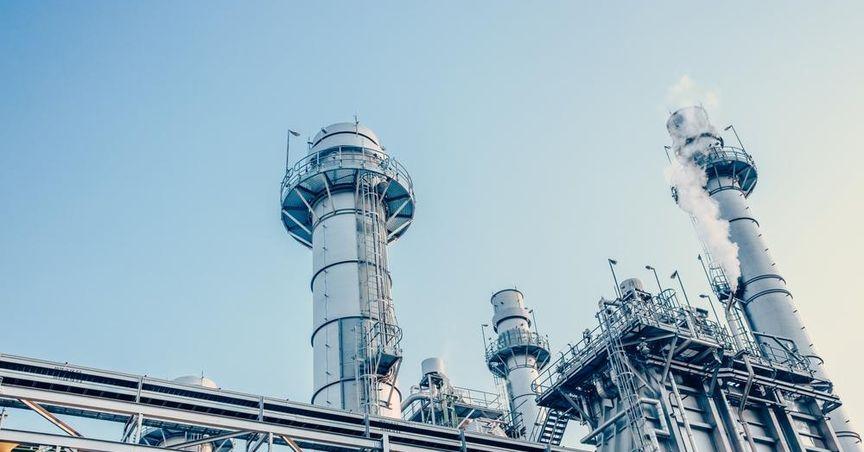
The company’s operations revolve around liquefaction terminals located along the U.S. Gulf Coast. These facilities process natural gas by cooling it into liquefied natural gas, reducing its volume significantly for maritime transport. Once liquefied, the fuel is loaded onto specialized carriers and shipped to importing regions where it is regasified and integrated into local energy networks.
Such infrastructure represents a significant industrial undertaking, requiring complex engineering systems and continuous operational oversight. The scale of these terminals underscores the capital-intensive nature of the liquefied natural gas export business. The reliance on physical assets differentiates this model from upstream exploration or downstream refining operations within the broader Energy Stocks segment.
Position in the Global LNG Market
Cheniere Energy (NYSE:LNG) occupies a distinct role as a leading exporter of liquefied natural gas from the United States. The company connects domestic gas production with international demand centers, particularly in regions where local supply is limited. This bridging function places the company within global trade flows that extend across Europe, Asia, and Latin America.
Demand for liquefied natural gas has expanded as countries seek diversified energy sources. The ability to transport natural gas across oceans enables importing nations to supplement domestic production and reduce dependence on pipeline infrastructure. This dynamic has reinforced the role of export terminals in global energy distribution.
Shipment Volumes and Operational Activity
Recent operational updates have highlighted increasing shipment volumes, reflecting sustained demand for liquefied natural gas. High utilization rates at liquefaction facilities indicate consistent throughput, which is essential for infrastructure-heavy operations. The movement of cargoes across international routes illustrates the continuous nature of export activity.
Shipment growth also reflects the alignment between domestic supply availability and overseas consumption needs. As production levels in the United States remain substantial, export facilities play a central role in channeling surplus volumes to external markets. This steady flow of shipments forms a core component of the company’s operational profile.
Long-Term Commercial Agreements
The business model relies significantly on long-term contracts with international buyers. These agreements typically outline fixed capacity commitments, ensuring consistent usage of liquefaction facilities. Such arrangements provide stability in operational planning and support the sustained functioning of export terminals.
Long-duration contracts also shape the structure of revenue generation within the liquefied natural gas industry. Buyers secure supply over extended periods, while operators maintain predictable utilization levels. This contractual framework distinguishes liquefied natural gas exporters from other segments of the energy sector that may be more exposed to short-term fluctuations.
Industry Context and Energy Transition
Within the broader energy landscape, natural gas has assumed a notable role in transitional energy frameworks. It is often positioned as a lower-emission alternative compared to certain traditional fuels, contributing to evolving energy mixes in multiple regions. This positioning has supported continued global interest in liquefied natural gas imports.
At the same time, geopolitical considerations have influenced trade patterns. Countries seeking diversified energy sources have increased reliance on seaborne liquefied natural gas shipments. Exporters with established infrastructure have consequently gained relevance within international supply chains.
Operational Focus and Asset Management
Maintaining high operational reliability across liquefaction terminals remains a central focus. The complexity of cooling systems, storage tanks, and loading facilities requires continuous monitoring and maintenance. Efficient functioning of these systems directly impacts shipment volumes and overall throughput.
In addition to operational reliability, asset expansion and optimization play a role in sustaining capacity. Incremental additions to liquefaction trains or upgrades to existing facilities can enhance output levels. These developments contribute to the company’s ability to meet evolving demand patterns.
Competitive Landscape
The liquefied natural gas export sector includes a limited number of participants due to high entry barriers. Establishing export terminals involves regulatory approvals, environmental assessments, and substantial construction timelines. These factors restrict the number of active operators in the market.
Competition exists among global exporters, including entities in North America, the Middle East, and Australia. Each operates within distinct cost structures and geographic advantages. The presence of multiple supply sources contributes to a diversified global market, where importers can access liquefied natural gas from various regions.
Relevance Across the S&P 500 Index
Within the S&P 500 Index , the company represents a specialized infrastructure-driven energy business. Its activities differ from traditional oil-focused entities, reflecting the diversification of energy sector representation within the index. The inclusion highlights the significance of liquefied natural gas in modern energy systems.
The company’s role illustrates how infrastructure-based operations contribute to broader index composition. By facilitating cross-border energy trade, it aligns with evolving energy consumption patterns and international supply requirements. This positioning reinforces its presence within the wider energy category tracked by major indices.
