
 AUS
AUS
 NZ
NZ
 UK
UK
 CA
CA
 USA
USA
 IND
IND






Highlights
- Chevron operates across upstream and downstream energy activities
- Integrated model links production, refining, and distribution globally
- Energy demand trends keep the company central within sector discussions
S&P 500 Index includes several large integrated energy companies, with Chevron (NYSE:CVX) positioned within the global energy sector. The sector encompasses exploration, production, refining, and distribution of hydrocarbons, forming a critical part of the global industrial and transportation system. Energy companies within this space are closely tied to demand for fuels, petrochemicals, and industrial inputs, which remain essential across economies.
Within the broader Energy Stocks category, integrated operators maintain a distinct role by combining upstream extraction with downstream processing and marketing. This structure allows participation across multiple stages of the value chain, linking crude oil production with refined product delivery.
Integrated Business Model
Chevron operates through a combination of upstream and downstream segments. The upstream division focuses on exploration, development, and production of crude oil and natural gas across regions such as North America, South America, Africa, and Asia-Pacific. Large-scale projects include offshore fields, shale formations, and liquefied natural gas developments.
The downstream segment processes crude oil into refined products such as gasoline, diesel, and jet fuel. These products are distributed through pipelines, terminals, and retail networks. The company also maintains petrochemical operations that produce base materials used in plastics and industrial applications.
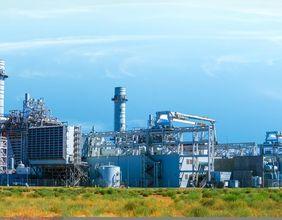
This integration creates a continuous operational chain from resource extraction to end-user consumption. Facilities such as refineries and LNG plants serve as key infrastructure within this system, linking upstream supply with downstream demand.
Global Asset Base
Chevron maintains a geographically diverse asset base. Upstream operations include major fields in the Permian Basin in the United States, offshore developments in the Gulf of Mexico, and international projects in countries such as Australia and Kazakhstan. Liquefied natural gas facilities in Australia form a significant component of its global gas portfolio.
Refining and marketing operations extend across multiple continents, supplying fuels to industrial users, transportation networks, and retail consumers. Distribution networks include pipelines, storage terminals, and service stations, ensuring consistent product flow across regions.
The global footprint provides exposure to varying demand patterns and regulatory environments, shaping how operations are managed across different markets.
Industry Dynamics
The energy sector is influenced by factors such as global economic activity, transportation demand, and industrial production. Growth in emerging markets, urbanization, and infrastructure development contribute to continued demand for refined fuels and petrochemicals.
At the same time, shifts toward cleaner energy sources and lower-emission technologies are reshaping the sector landscape. Integrated companies are adapting through efficiency improvements, emissions management, and selective investments in alternative energy initiatives.
Within the S&P 500 Index , energy companies represent a smaller share compared to technology or financial sectors, yet their role remains essential due to the foundational nature of energy supply.
Operational Focus
Operational activities involve managing large-scale extraction projects, maintaining refining efficiency, and ensuring consistent distribution. Upstream operations require drilling, reservoir management, and infrastructure maintenance, while downstream operations focus on refining throughput, logistics, and product quality.
Liquefied natural gas operations add another layer, involving gas extraction, liquefaction, shipping, and regasification. These processes connect gas-producing regions with global markets where demand is growing.
Coordination across these segments ensures that supply flows efficiently through the value chain. Maintenance of infrastructure, including pipelines and processing facilities, remains central to ongoing operations.
Sector Trends and Developments
Energy sector trends include gradual diversification of energy sources, improvements in operational efficiency, and evolving regulatory frameworks related to emissions and environmental standards. Companies continue to adjust operations to align with these developments.
Digital technologies, including data analytics and automation, are increasingly applied to optimize production and refining processes. These tools support monitoring of equipment performance and resource utilization across large asset bases.
The rise of natural gas as a transitional energy source has also influenced capital allocation within the sector. Liquefied natural gas projects have expanded global trade in gas, connecting supply regions with demand centers in Asia and Europe.
Competitive Landscape
The integrated energy landscape includes several large multinational operators alongside national oil companies and independent producers. Competition centers on access to resources, operational efficiency, and refining capacity.
Chevron’s scale places it among the larger participants within the global energy system. The breadth of its upstream and downstream activities allows participation across multiple segments of the industry, from exploration to retail fuel distribution.
Within the Energy Stocks category, integrated companies are often compared based on production volumes, refining capacity, and geographic reach. These factors shape how companies operate within the broader sector environment.
Market Relevance
S&P 500 Index serves as a benchmark for large-cap U.S. companies, and Chevron’s inclusion reflects its scale and role within the energy sector. Movements within the energy segment can influence broader index performance due to the sector’s connection to global economic activity.
Energy supply remains a foundational element for transportation, manufacturing, and power generation. As a result, integrated companies maintain a central position in discussions about industrial activity and resource management.
Chevron (NYSE:CVX) continues to operate across this landscape through its integrated model, global asset base, and involvement in both traditional and evolving energy systems.
