
 AUS
AUS
 NZ
NZ
 UK
UK
 CA
CA
 USA
USA
 IND
IND





Highlights
- Pembina Pipeline operates extensive energy transportation and midstream assets across North America.
- Operations include pipelines, gas processing facilities, fractionation infrastructure, and export-related services.
- The company remains a prominent participant within the Canadian energy infrastructure segment linked to the S&P 500 Index energy landscape.
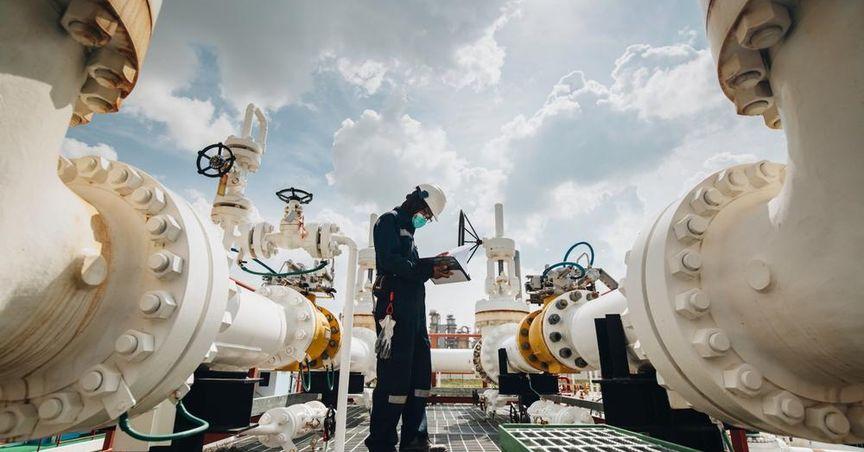
Pembina Pipeline maintains pipelines, processing facilities, storage terminals, and export infrastructure across North America, remaining connected to the S&P 500 Index energy landscape.
Pembina Pipeline Corporation (NYSE:PBA) operates within the energy infrastructure sector, providing transportation, storage, processing, and marketing services for hydrocarbons across North America. The company plays a significant role in connecting production regions with refining, petrochemical, and export markets. As energy transportation networks continue to support continental supply chains, activity surrounding Pembina remains relevant to broader developments affecting the S&P 500 Index energy segment and related North American infrastructure systems.
Integrated Midstream Operations
The company maintains a diversified portfolio of assets spanning conventional and oil sands pipelines, natural gas gathering systems, gas processing facilities, fractionators, storage terminals, and export infrastructure. Operations are concentrated primarily in Western Canada, with connectivity extending into major demand centers throughout North America.
Pipeline assets transport crude oil, condensate, natural gas liquids, and natural gas from producing regions to refining and processing destinations. These transportation networks form a critical component of Canada's energy value chain and support long-distance movement of hydrocarbons across multiple jurisdictions.
Gas processing facilities remove impurities and separate natural gas liquids from raw natural gas streams. Fractionation assets further process these products into marketable components used by industrial, petrochemical, and consumer applications.
Asset Footprint Across Canada
Pembina's infrastructure network stretches across Alberta, British Columbia, Saskatchewan, and portions of the United States. The company's pipeline systems serve several of Canada's most active producing basins, including areas associated with conventional production and oil sands development.
Storage terminals and logistics facilities complement transportation operations by providing customers with access to distribution hubs and export channels. These assets support movement of commodities through changing supply and demand conditions while maintaining operational flexibility throughout the network.
The company's integrated approach allows multiple business segments to work together, creating connections between production, processing, transportation, storage, and market delivery services.
Natural Gas Liquids and Export Activities
Natural gas liquids represent an important part of operations. Infrastructure dedicated to propane, butane, condensate, and other liquid products supports domestic and international demand.
Export facilities provide access to overseas markets through marine transportation channels. Growing interest in liquefied natural gas developments and related infrastructure has increased attention on supporting facilities capable of connecting Canadian production to global destinations.
Recent corporate developments have included continued participation in projects associated with natural gas liquids, export capabilities, and value-added processing activities. These initiatives reflect broader trends occurring across North America's energy infrastructure landscape.
Position Within Energy Infrastructure
Pembina Pipeline Corporation (NYSE:PBA) is commonly classified among Energy Stocks due to its focus on transportation, processing, and logistics services supporting hydrocarbon production. Unlike exploration and production companies, revenue generation is closely associated with infrastructure utilization and service activities throughout the energy supply chain.
The company serves producers, refiners, petrochemical companies, utilities, and industrial customers. This diversified customer base contributes to activity across multiple segments of the North American energy market.
Energy infrastructure companies continue to play an important role in facilitating commodity movement, supporting industrial operations, and maintaining supply networks required by domestic and export markets.
Industry Trends and Sector Developments
Canadian energy infrastructure has experienced ongoing expansion driven by production growth, export demand, and increased processing capacity. Midstream operators continue developing facilities designed to improve transportation efficiency and provide market access for energy commodities.
Infrastructure development remains an important component of broader energy sector activity. New projects frequently involve pipeline expansions, processing facilities, storage terminals, and export-related assets intended to support evolving production patterns.
Within the context of the S&P 500 Index energy environment, North American infrastructure companies remain interconnected through supply chains that link Canadian production with United States refining, industrial, and export markets.
Geographic Reach and Market Connectivity
Operations support commodity flows between producing regions and key consumption centers. Pipeline corridors connect upstream production areas with downstream refining and petrochemical facilities, creating integrated transportation pathways across large geographic areas.
Market connectivity remains a central feature of the company's infrastructure network. Access to multiple destinations allows customers to move products efficiently while supporting regional and international trade flows.
The company's assets also contribute to broader North American energy logistics by facilitating movement of crude oil, natural gas, and natural gas liquids through interconnected systems spanning provincial, state, and national boundaries.
Operational Focus and Infrastructure Development
Energy transportation infrastructure requires continuous maintenance, optimization, and expansion to accommodate changing production volumes and customer requirements. Asset development initiatives often involve enhancing capacity, improving operational efficiency, and extending connectivity between facilities.
Processing, storage, and transportation assets remain core components of the company's business model. These facilities support the movement and handling of commodities used throughout industrial, commercial, and residential markets.
Activity across the Canadian midstream sector continues to influence infrastructure utilization, with transportation and processing networks supporting energy production across major resource regions. As one of the larger infrastructure operators in the sector, Pembina remains connected to developments affecting the broader S&P 500 Index energy ecosystem.
