
 AUS
AUS
 NZ
NZ
 UK
UK
 CA
CA
 USA
USA
 IND
IND




Highlights
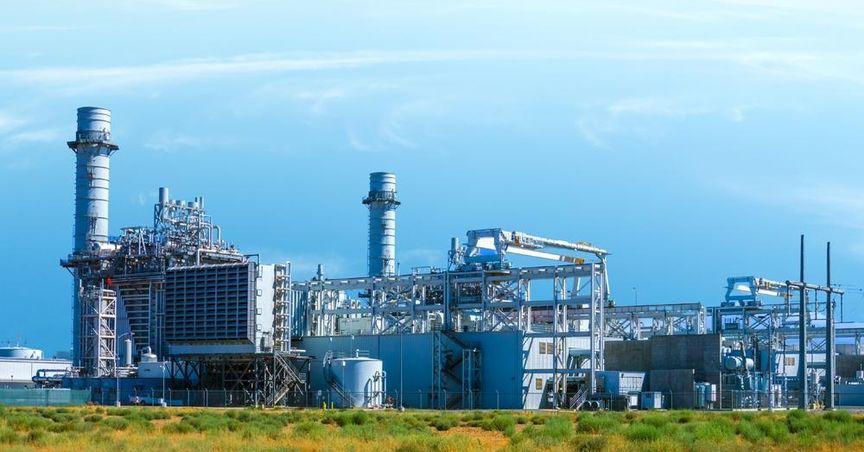
- Zeus Gas Plant construction is advancing in the Permian Basin.
- Third Coastal Bend Fractionator supports expanded NGL processing capacity.
- Operations span refining, midstream, chemicals, and marketing activities.
Energy infrastructure expansion continues through Zeus Gas Plant and Coastal Bend Fractionator development, reinforcing operational scale associated with the Russell 1000 Index .
Phillips 66 (NYSE:PSX) operates within the energy sector, with business activities spanning refining, midstream infrastructure, chemicals manufacturing, and fuels marketing. As a large-cap energy company commonly associated with the Russell 1000 Index , the company remains connected to major developments across the North American energy landscape. Recent progress on the Zeus Gas Plant in the Permian Basin and the third Coastal Bend Fractionator highlights ongoing expansion across key infrastructure assets that support natural gas liquids processing and transportation.
Midstream Expansion Activities
Recent operational developments have centered on the Zeus Gas Plant and the Coastal Bend Fractionator project. These assets are designed to strengthen natural gas gathering, processing, and fractionation capabilities in regions that continue to record significant hydrocarbon production.
The Zeus Gas Plant is located in the Permian Basin, one of the largest oil and natural gas producing regions in North America. Additional processing capacity can support increased volumes of natural gas and natural gas liquids moving through regional infrastructure networks. The facility forms part of broader efforts to connect upstream production areas with downstream markets through integrated transportation and processing systems.
Along the Gulf Coast, the third Coastal Bend Fractionator is intended to expand fractionation capacity. Fractionation facilities separate mixed natural gas liquids into products such as ethane, propane, normal butane, isobutane, and natural gasoline. These products serve petrochemical, industrial, transportation, and export markets.
Position Within the Energy Industry
The company operates across several segments of the energy value chain. Refining assets convert crude oil into transportation fuels and other petroleum products. Midstream operations manage pipelines, terminals, gas processing plants, and fractionation facilities. Chemicals operations are conducted through joint-venture interests that produce petrochemical materials used in manufacturing applications.
This diversified structure distinguishes the company from businesses focused exclusively on a single activity. Operational integration can connect crude sourcing, transportation, refining, processing, storage, and product distribution networks.
Within the Oil and Gas Stocks category, major participants continue to expand infrastructure that supports evolving production patterns in regions such as the Permian Basin. Processing and transportation assets remain essential components of the broader energy supply chain.
Refining Operations Across Key Markets
Refining remains a significant component of overall operations. Facilities are located across the United States and Europe, producing gasoline, diesel, jet fuel, lubricants, and specialty products.
Refineries process different crude oil grades and use various conversion technologies to meet product demand requirements. Continuous upgrades and efficiency projects are frequently undertaken to improve operational performance, enhance feedstock flexibility, and support product yields.
Refining activity remains closely connected to transportation, manufacturing, aviation, and commercial sectors. As a result, refinery utilization levels and product output often reflect broader economic and industrial activity.
Gulf Coast Infrastructure Importance
The Gulf Coast remains one of the most important energy hubs in North America. Pipeline systems, export terminals, storage facilities, petrochemical complexes, and refining assets are concentrated throughout the region.
The Coastal Bend Fractionator project aligns with ongoing development along the Gulf Coast energy corridor. Expanded fractionation capacity can support increased movement of natural gas liquids from producing regions to domestic users and international export markets.
Infrastructure additions in this region often complement pipeline expansions and processing projects located further upstream. This interconnected network supports efficient transportation and handling of hydrocarbon products across multiple markets.
Chemicals and Petrochemical Activities
Beyond refining and midstream operations, chemicals manufacturing contributes to the company's broader business profile. Petrochemical products derived from hydrocarbons are used in packaging materials, automotive components, construction products, consumer goods, and industrial applications.
Demand for petrochemical feedstocks remains linked to manufacturing activity across global markets. Ethane and other natural gas liquids processed through fractionation facilities serve as important raw materials for chemical production.
Growth in natural gas liquids infrastructure can therefore support both energy and petrochemical supply chains, creating additional connections between upstream production and downstream manufacturing sectors.
Market Context and Russell 1000 Classification
As a constituent commonly associated with the Russell 1000 Index , Phillips 66 (NYSE:PSX) is grouped among large-cap U.S. companies across diverse industries. Energy companies within the index are often evaluated in relation to operational scale, asset portfolios, production-linked infrastructure, and geographic reach.
Recent infrastructure progress reflects continued activity across the North American energy sector, where processing plants, pipelines, storage assets, and export facilities remain important components of long-term industry development. The Zeus Gas Plant and Coastal Bend Fractionator projects illustrate how major energy enterprises continue expanding operational networks within regions that play a central role in U.S. hydrocarbon production and transportation. Such developments remain relevant within the broader context of the Russell 1000 Index .
