
 AUS
AUS
 NZ
NZ
 UK
UK
 CA
CA
 USA
USA
 IND
IND






Highlights
- Frontline operates global crude oil shipping fleet
- Fleet includes VLCCs, Suezmax, Aframax vessels
- Shares trading within historical volatility range
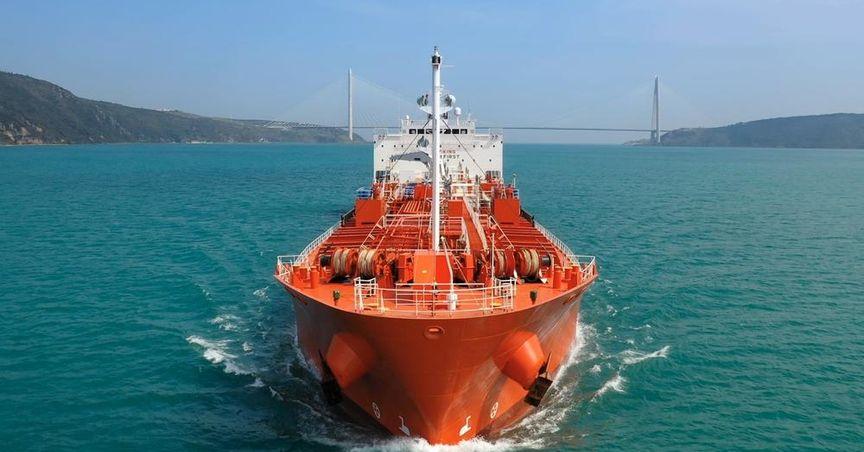
Frontline PLC operates within the seaborne transportation sector, primarily focusing on crude oil and petroleum product shipping. This industry plays a critical role in global energy logistics by connecting energy-producing regions.
Frontline PLC (NYSE:FRO) operates a fleet designed for transporting large volumes of crude oil, serving clients involved in production, refining, and global trading. Its operations balance long-term charters with spot market activities, offering adaptability to shifting shipping demand. Performance and market trends are closely tracked in relation to the NYSE Composite Index, reflecting broader sector movements.
The company’s fleet consists of very large crude carriers (VLCCs), Suezmax tankers, and Aframax vessels, making it well-equipped to handle long-haul and regional shipping requirements. Global energy markets and maritime transportation regulations heavily influence operational strategies and vessel deployment schedules. Companies like Frontline PLC often balance contractual commitments with spot market opportunities to optimise fleet utilisation and revenue generation.
Brokerage Ratings Overview
Several brokerages have provided ratings for Frontline PLC (NYSE:FRO), reflecting varied perspectives within the sector. Reports indicate that one brokerage recommends selling the stock, while multiple others maintain a neutral stance. Several entities have provided a positive rating. The consensus among these evaluations points to a mixed view, reflecting differences in methodology, market assumptions, and the assessment of shipping sector trends.
Notable brokerage commentary includes adjustments in ratings and price objectives over recent months. Piper Sandler, for instance, revised its stance to a neutral position, while Clarkson Capital upgraded shares from a neutral evaluation. Evercore maintained an outperform rating with a designated price objective, and Jefferies Financial Group adjusted its target valuation upward while affirming a positive assessment. Weiss Ratings has reiterated its neutral rating for the company, illustrating a range of viewpoints across the brokerage landscape.
Quarterly Earnings Performance
Frontline PLC recently released quarterly earnings data, indicating an increase in revenue compared to the same period last year. The company reported earnings per share below consensus expectations but achieved a significant revenue uplift, reflecting strong market demand for crude oil shipping services. Net margins and return on equity were notable, highlighting operational efficiency and effective cost management across fleet operations.
Revenue growth was influenced by a combination of spot market performance and long-term charter agreements. The reported figures demonstrate Frontline PLC capacity to generate substantial revenues despite fluctuations in global crude oil demand. Year-over-year comparisons show an upward trend in revenue, illustrating the company’s ability to scale operations and capitalise on favourable shipping conditions.
Institutional Holdings Insights
Hedge funds and other institutions hold a significant portion of Frontline PLC (NYSE:FRO) shares. These positions provide insights into sector participation by major entities. Ownership concentration by such institutions highlights confidence in the company’s strategic approach to fleet management and operational execution. These entities typically adjust their holdings based on market conditions, fleet utilisation, and shipping sector trends, impacting overall market perception of the stock.
The 50-day and 200-day moving averages reflect market sentiment and historical trading behaviour. Short-term trading activity aligns closely with sector trends and broader market indices such as the NYSE Composite. The stock has experienced fluctuations within its high and low trading ranges, reflecting both macroeconomic factors and operational updates from the shipping company.
Fleet Capacity And Operations
Frontline PLC maintains a fleet structured to optimise cargo capacity across multiple vessel types. VLCCs are suited for intercontinental oil transportation, while Suezmax and Aframax vessels operate efficiently on regional and medium-haul routes. The mix of vessel sizes allows the company to service a diverse set of clients, enhancing flexibility in operations and improving response times for varying cargo demands.
Long-term charters provide predictable revenue streams, while spot market activities introduce variable earnings potential. The balance between these two operational segments is crucial for maintaining financial stability. Frontline PLC has positioned itself to adjust fleet deployment according to global shipping demand, regulatory considerations, and charter rates, ensuring that vessels are utilised effectively throughout market cycles.
Market Capitalisation And Ratios
Frontline PLC (NYSE:FRO) has a significant market capitalisation within the maritime shipping sector. The debt-to-equity ratio indicates the company’s leverage strategy, while liquidity ratios such as the quick and current ratios provide insights into operational stability. These metrics collectively reflect the company’s financial positioning relative to its peers in the seaborne transportation industry.
Price-to-earnings ratios and other valuation indicators offer additional context for understanding how the stock is perceived in market terms. Historical trading patterns, combined with these ratios, suggest that Frontline PLC maintains a position of relative stability in a sector characterised by cyclical demand and commodity-linked volatility. Tracking the NYSE Composite can provide broader context on market movements affecting the company.
Quarterly Revenue Comparison
Comparative analysis of quarterly revenue shows Frontline PLC achieving substantial growth over the same quarter in the previous year. Despite earnings per share missing consensus estimates, overall revenue gains demonstrate robust demand for crude oil shipping services. This trend is supported by both charter agreements and spot market activity, reflecting the company’s ability to leverage its fleet across diverse market conditions.
Operational efficiency, cost management, and fleet utilisation are key factors contributing to revenue performance. The company’s ability to maintain positive net margins and a strong return on equity highlights effective management practices in the shipping sector. These metrics underscore the company’s capacity to navigate fluctuations in cargo volumes and shipping rates.
Sector Challenges And Opportunities
The shipping sector is affected by global energy demand, environmental regulations, and logistical constraints. Frontline PLC faces operational challenges such as fluctuating charter rates, fuel costs, and maintenance of its high-capacity fleet. However, long-term charters provide stability, while spot market participation allows for revenue growth when conditions are favourable.
Global trade dynamics, including disruptions in key shipping routes, influence fleet deployment strategies. The company’s adaptability in reallocating vessels and leveraging different shipping segments is critical for sustaining operational performance. Insights from institutional holdings and sector data suggest that Frontline PLC (NYSE:FRO) remains strategically positioned to manage both market volatility and evolving client requirements.
